Description:
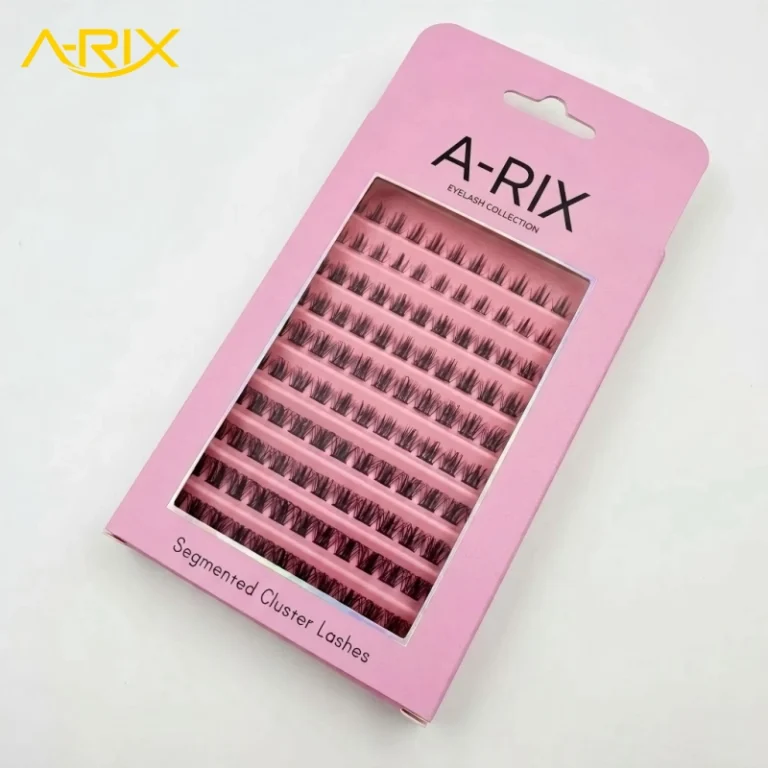
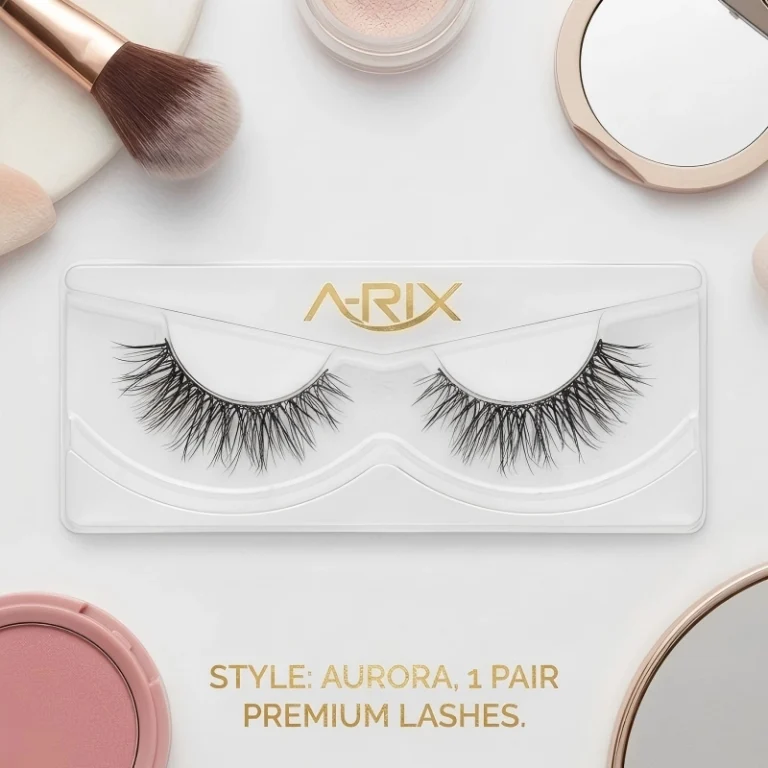
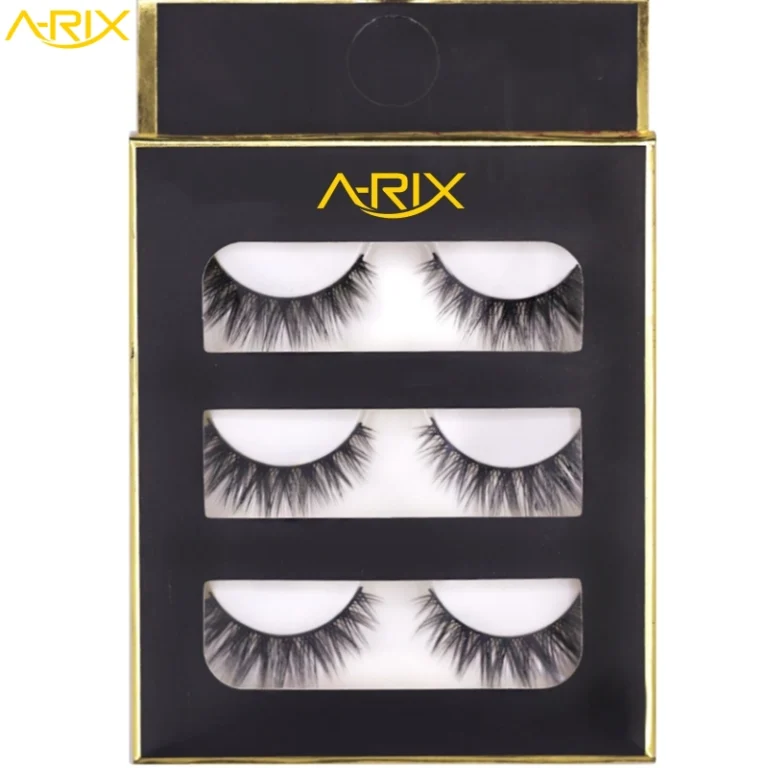
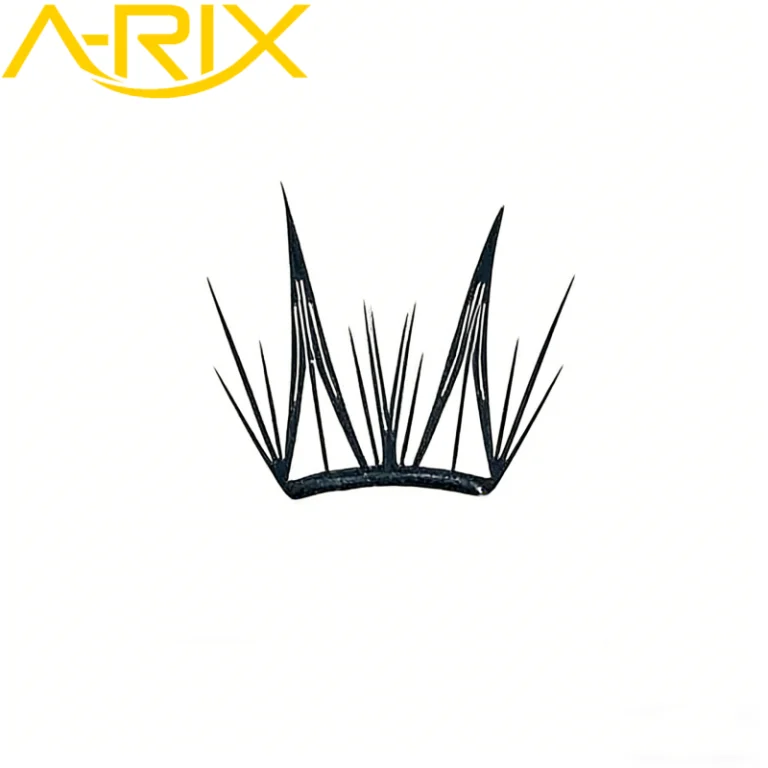
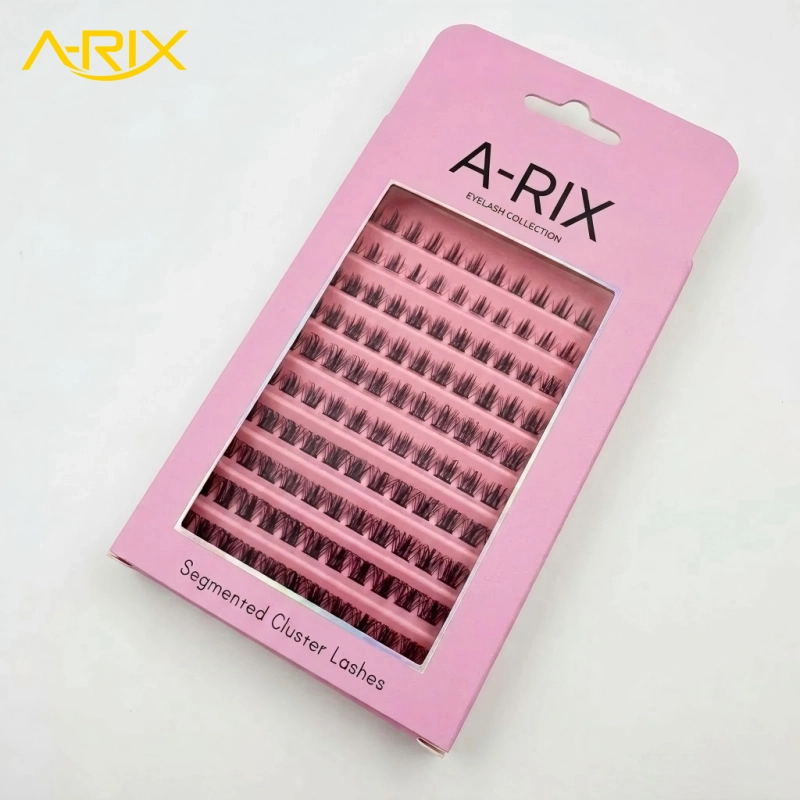
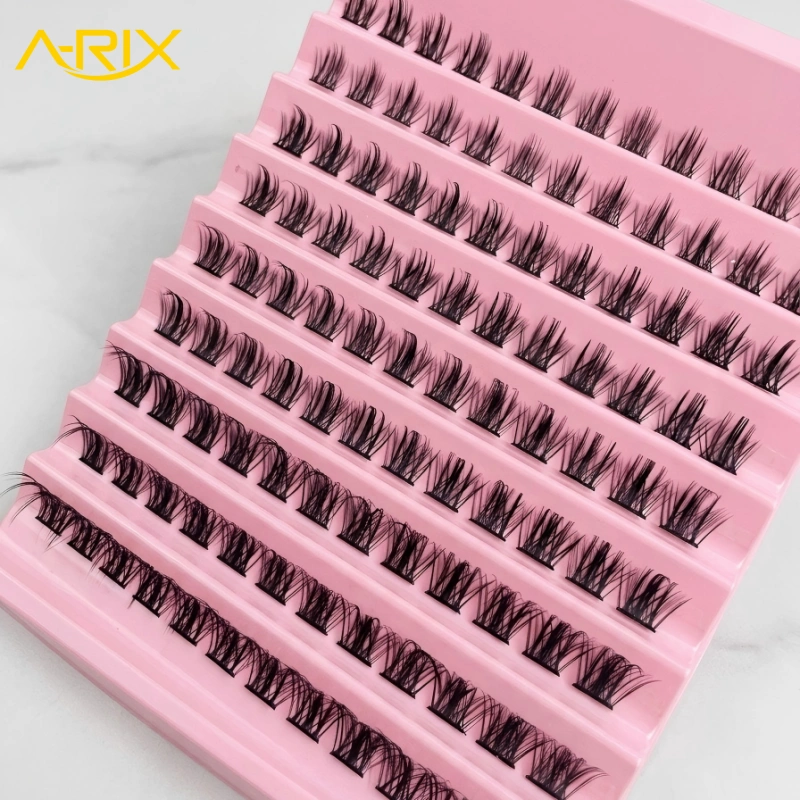
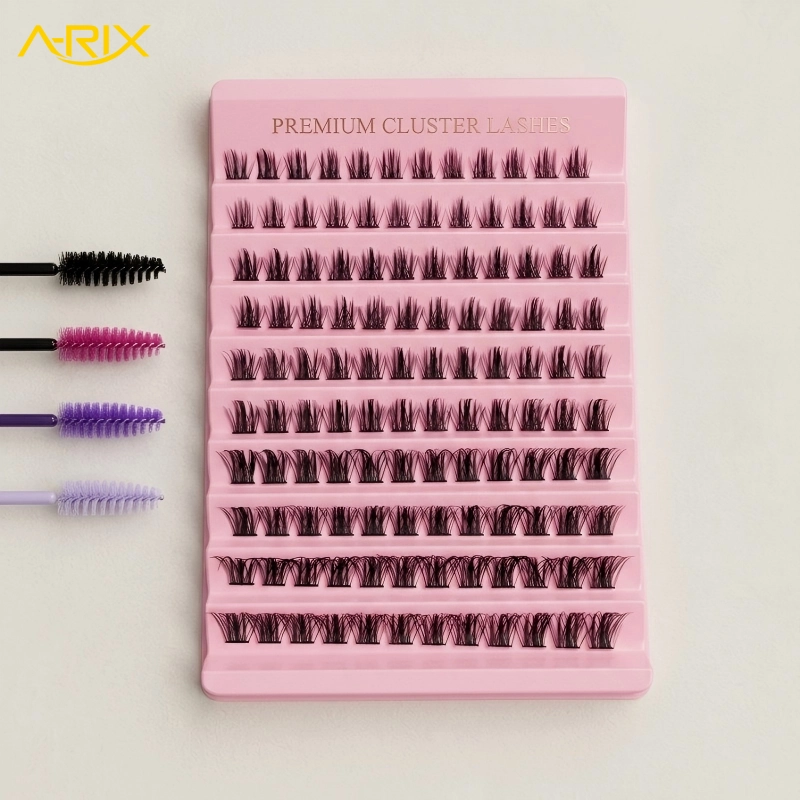
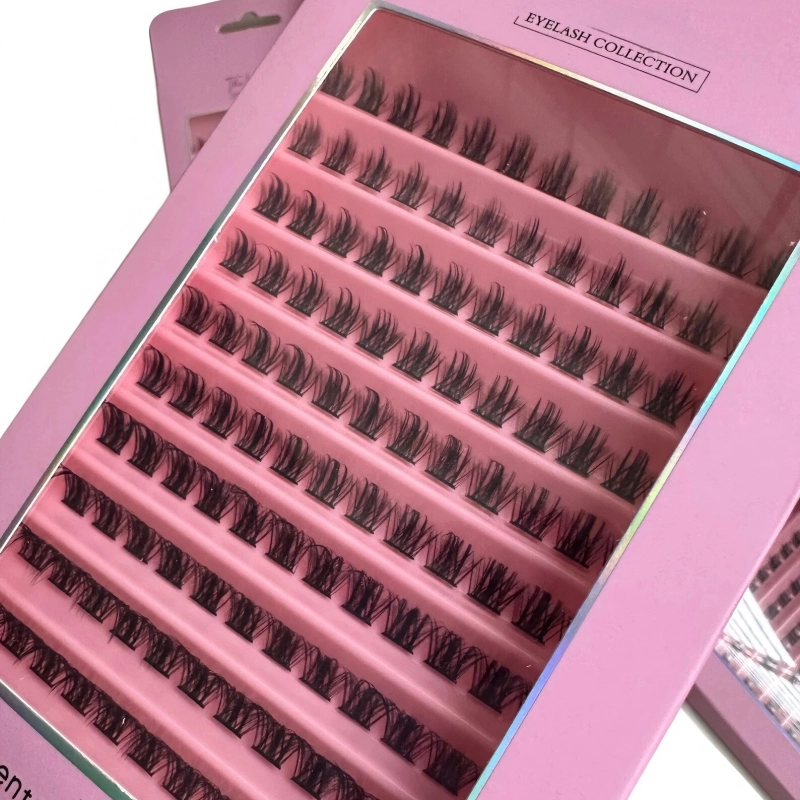
Plastic tray is a frequently choice in eyelash brands. In strip eyelash market, 95% of the inner trays is plastic trays. When we turn to cluster market, we have many another choices. But plastic trays still account for a large proportion. We offer PET blister trays in thicknesses of 0.30 mm, 0.40 mm, and 0.50 mm. There is many size and colors. There is different shapes: Round, Square, Rectangle… different size: 2, rows, 3 rows, 4 rows, 5 rows and larger, different colors: Pink, Transperent, Purple, Peral Pink…. It can be customized, you can customize an exclusive trays for your private use.Moreover we can print words on the trays, like Style number, Lash length, Brand name. We can print black, white… or we can do hot stamp: gold, silver, rosegold…. People are now paying more and more attention to environmental protection. So we change all of the PVC plastic tray to eco friendly material – PET trays. PET material can be de degraded naturally.
Key Highlights:
①Different sizes available
②Portable, Lightweight
③Different colors available
④Different thickness available
⑤Won’t easy to became overshaped
⑥Print Logo/words on
⑦Can be customized
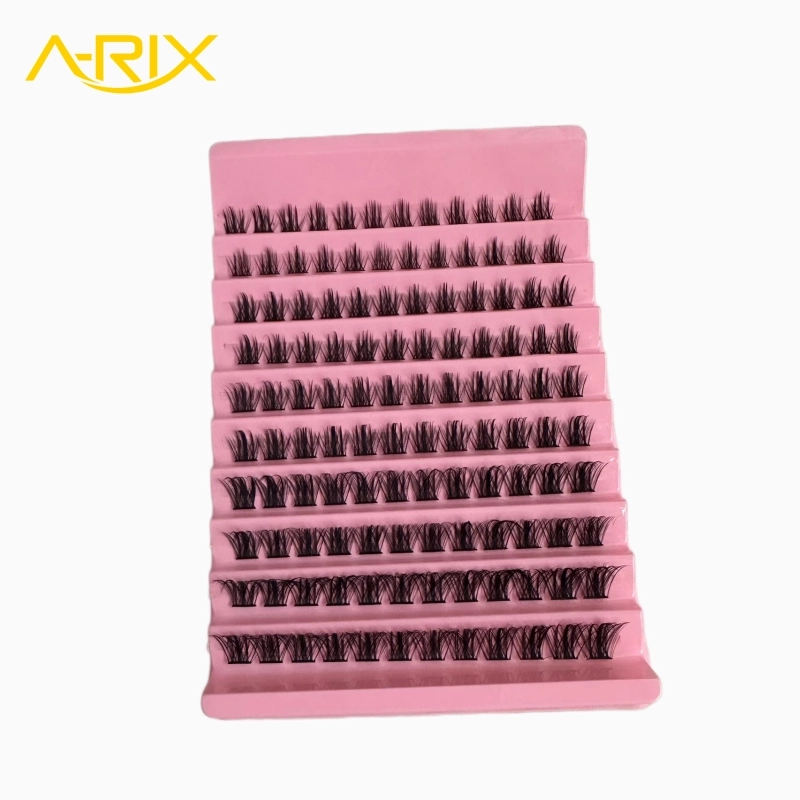
How are PET Trays/Blister Boxes Made?
For example, fruit boxes, cake boxes, and blister trays for electronic products are also made by PET. They are usually not blow-formed, but thermoformed.
First, make PET sheets.
PET granules are melted in an extruder, pressed into transparent sheets, and rolled into rolls.
Some may incorporate recycled materials to form RPET sheets.
Sheet softening.
The PET sheets are fed into a thermoforming machine and heated until softened but not melted.
Vacuum forming/compression forming. Using a mold, vacuum, or air pressure, the softened sheet is drawn onto or pressed onto the mold surface to form the box shape.
Dieting and trimming. The edges of the formed trays are trimmed to punch out individual packages.
Stacking and inspection. Transparency, dimensions, edge sealing, warping, etc., are checked.