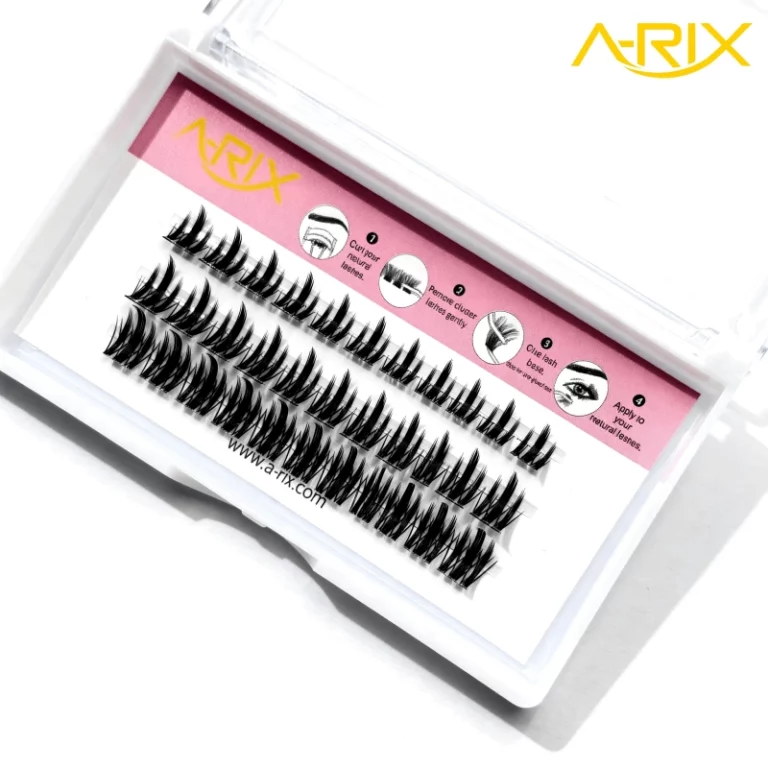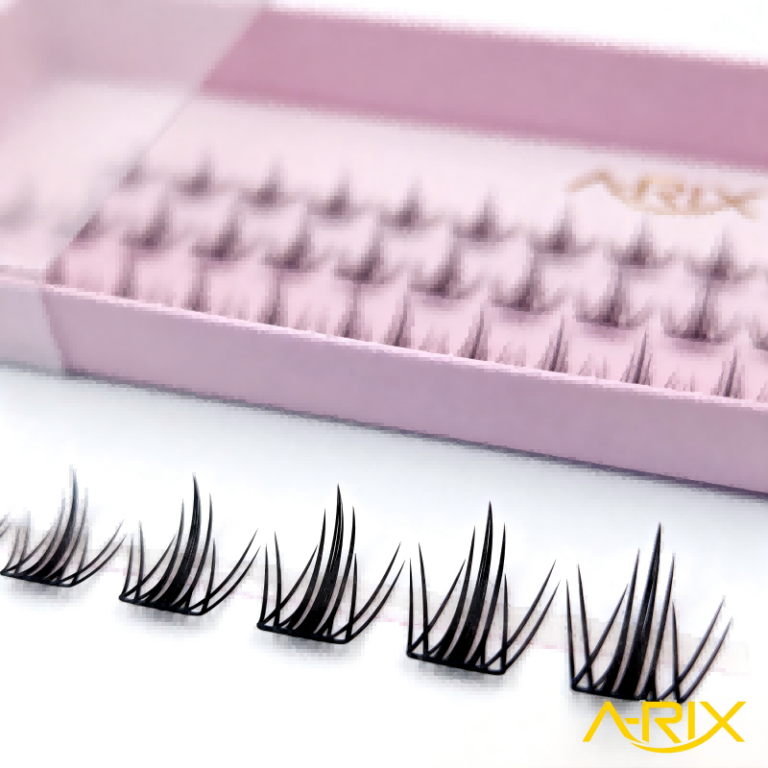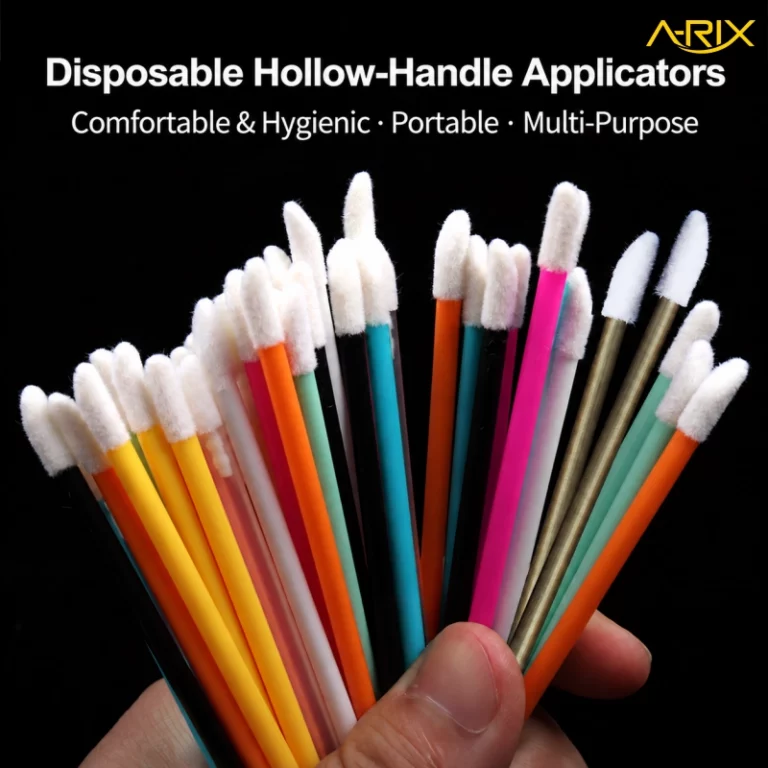
Let’s be real—right now, the lash extension business is absolutely booming. We’re talking a $10 billion global industry, and it’s only going to keep growing through 2030. If you’re a salon owner, lash tech, or anyone running a beauty business, buying lashes wholesale isn’t just about saving a few bucks. It’s the kind of move that can make your profit margins actually work, keep your clients coming back for consistent, good-quality sets, and help you stand out when every block seems to have a lash bar these days. But here’s the thing: navigating wholesale lashes isn’t as simple as Googling “cheap lash extensions bulk.” There are so many suppliers out there, products range from “wow, this is great” to “yikes, never again,” and hidden fees love to pop up when you least expect them. To get real, good deals—ones that don’t sacrifice quality for price—you need the inside scoop. Not the generic AI-generated tips, but the stuff actual lash pros use. In this guide, I’m breaking down everything I’ve learned from years in the industry: how to find suppliers you can trust, negotiate like you know what you’re doing (even if you’re new), and get the most bang for your buck without cutting corners.
- Start with Your Clients: Know What You Actually Need Before You Shop
The biggest mistake I see new lash business owners make? Buying a ton of wholesale lashes without stopping to think about their clients. Let’s cut to the chase: not all lashes are for every business. Wasting money on a huge bulk order of dramatic volume lashes when your clients only ask for natural classics is a quick way to tie up cash and end up with shelves full of unused stock. So before you even start looking at suppliers, ask yourself three simple questions:
First, what do my clients actually want? Do they book more classic sets, or are they obsessed with those fluffy Russian volume looks? Are hybrid styles flying off your appointment calendar? Second, do they care about specific materials? A lot of my clients these days ask for vegan, cruelty-free options—so I don’t waste time with suppliers who don’t offer that. Third, what fits my workflow? If you’re running a busy lash bar where you’re cranking out appointments back-to-back, pre-fanned lashes will save you hours. If you’re a boutique salon that prides itself on custom work, maybe you need a wider range of individual lash lengths and curls instead.
Let me give you a real example. A friend of mine opened a lash salon targeting eco-conscious millennials and Gen Z. She initially bought a cheap bulk order of non-certified synthetic lashes because the price was low. But her clients kept asking about vegan options, and she ended up having to discount the cheap lashes just to get rid of them. She learned the hard way: buy what your clients will actually pay for. Once you nail down your niche, you can narrow your supplier search to the ones that specialize in those products. No more temptation to buy “a good deal” that’s actually a waste of money.
Also, don’t forget to calculate how much you use. For example, if you use 80 trays a month, and the supplier drops the price per tray when you order 100, go for 100—you’ll use them before they expire, and you’ll save money per set.
- Vetting Suppliers: How to Spot the Good Ones (and Avoid the Scams)
The internet’s swamped with people saying they’re “wholesale lash suppliers”—but half of ’em are either scammers or selling total garbage.
I’ve had my fair share of horror stories: late shipments, lashes that fall apart after one use, even a supplier who ghosted me right after I paid.
So here’s my foolproof way to check out suppliers. It takes a little time, but trust me—it’s totally worth it to skip the headache later.
Always, Always Ask for Samples First
Never—ever—place a big wholesale order without testing samples. Reputable suppliers will send you free or super cheap samples (usually just covering shipping). If a supplier refuses to send samples? Run. When you get the samples, test them like you’re doing a client appointment. Here’s what to check:
- Feel: Synthetic lashes should be soft, not stiff. Stiff lashes irritate clients’ eyes and look fake. I always run my fingers through the lashes to check for brittleness—if they snap easily, they’re no good.
- Hold: Test them with your go-to lash glue. Apply a few to a mannequin head (or even your own arm, if you’re brave) and see how they hold up. Do they fall off after a few hours? Do they keep their curl, or do they go flat?
- Consistency: Grab a few lashes from different parts of the sample tray. Are the lengths the same? Is the curl consistent? Nothing ruins a client’s set like lashes that are all different lengths—your clients will notice, and they won’t be happy.
Dig Into Their Credentials (Don’t Just Trust Their Website)
A fancy website doesn’t mean a supplier is legitimate. I once ordered from a supplier with a sleek site and great reviews—only to find out their “physical location” was a PO box. Here’s what to do: first, ask for their business address and phone number. Call them—if you only get a voicemail or no one answers, that’s a red flag. Second, check for certifications. If they say their lashes are vegan or cruelty-free, ask for proof (like a PETA certification). If they claim to have quality management standards, ask about ISO 9001 or other relevant certifications.
Reviews are important too, but don’t just read the ones on their site. Go to Google, Yelp, and lash forums (LashBase and Beauty Underground are my go-tos). Look for real lash pros talking about their experiences. Do people complain about late shipments? Are there multiple reviews saying the quality is hit-or-miss? If so, steer clear. On the flip side, if multiple people rave about fast shipping and consistent quality, that’s a supplier worth considering.
Ask These Questions Before You Order (Write Them Down!)
I keep a list of questions in my notes app that I ask every potential supplier. It helps me avoid surprises. Here’s the list:
- What’s your minimum order quantity (MOQ)? Can we negotiate that if I’m a new customer?
- How long does shipping usually take? And how much does it cost? Do you ever offer free shipping for big orders?
- What’s your return policy? If I get a defective batch, can I send it back for a refund or replacement? Who pays for return shipping?
- Do you do custom branding? I want to put my salon’s logo on the lash trays—can you do that, and what’s the minimum order for that?
- What happens if you’re out of stock of the lashes I need? Will you let me know upfront, or will my order be delayed without warning?
- What payment terms do you offer? Can I pay net-30, or do you only take upfront payment? Do you give a discount for paying early?
A good supplier will answer all these questions clearly and quickly. If they’re vague or avoid any of them, move on. I once had a supplier refuse to tell me their return policy—turns out, they didn’t have one. I ended up with 200 trays of faulty lashes that I couldn’t return. Don’t make that mistake.
- Negotiating with Suppliers: It’s Okay to Ask for a Better Deal
A lot of lash pros think wholesale prices are set in stone, but that’s not true. Suppliers want repeat customers—they’ll often negotiate to keep your business. I’ve gotten better prices, free shipping, and even custom branding discounts just by asking. Here’s how to do it without feeling awkward.
Use Your Volume (or Your Future Volume) as Leverage
When I first started, my orders were small—only 50 trays a month. But I told every supplier I talked to, “I’m growing fast. I expect to be ordering 200+ trays a month in the next 6 months, and I want to find a supplier I can stick with long-term.” More than half of them offered me a discounted rate upfront to lock in my business. Suppliers love knowing they’ll have a steady customer, so don’t be afraid to talk about your growth plans.
If you’re already established, use your current volume to your advantage. Let’s say you order 300 trays a month for $8 each. Call your supplier and say, “I’ve been ordering 300 trays a month for the past year, and I’m thinking about increasing to 400. Would you be able to drop the price to $7.50 per tray if I do that?” Or ask for free shipping: “I spend $2,000 a month with you—can you waive the $50 shipping fee for my regular orders?” Most of the time, they’ll say yes.
Bundle Your Orders for More Savings
Suppliers love it when you buy more than just lashes—they make more cash, so they’re totally down to cut you a deal.
Instead of just ordering lash trays, throw in all the other stuff you use monthly: lash glue, remover, tweezers, under-eye patches.
I used to order lashes and glue separately, but now I bundle everything together—and my supplier hooks me up with 10% off the whole order.
Like, say you normally grab 200 lash trays and 50 glue bottles? Add 100 packs of under-eye patches and ask for a discount.
It’s a win-win: you get all your supplies in one go, and you save money.
Negotiate Payment Terms (Cash Flow Is King)
For small businesses, cash flow is everything. Paying upfront for a big wholesale order can drain your bank account. That’s why I always negotiate payment terms. If you have the cash to pay upfront, that discount adds up over time. For example, a 2% discount on a $2,000 order is $40—that’s enough to cover a few lash glue bottles.
- Watch Out for Hidden Costs—They’ll Eat Into Your Profits
A low price per lash tray might seem like a great deal, but hidden costs can turn it into a nightmare. I’ve learned to calculate the total cost of an order, not just the per-unit price. Here are the hidden costs to watch for:
- Shipping fees: Some suppliers say “free shipping,” but they just add that cost to the lash price. I once ordered from an international supplier without checking shipping costs—turns out, shipping was $300 on a $1,500 order. That killed my profit margin.
- Customs and duties: If you’re buying from overseas (China and South Korea are big lash manufacturing hubs), you might have to pay customs fees and import taxes. These vary by country, so look them up before you order. I have a friend who ordered from China and got hit with a $200 customs fee she didn’t expect. She had to raise her prices temporarily to cover it.
- Restocking fees: Some suppliers charge 10-20% restocking fees for returned products, even if they’re defective. Read the return policy carefully—if there’s a restocking fee, make sure you’re okay with that before you order.
- Build a Relationship with Your Supplier—It’s the Best Hack of All
The best deals I’ve gotten aren’t from one-time negotiations—they’re from having a good relationship with my supplier. When you’re a reliable customer, suppliers will go out of their way to help you. Here’s how to build that relationship:
- Pay on time: If you have net-30 terms, pay on day 30—not day 31. Late payments break trust, and suppliers won’t be willing to negotiate with you in the future.
- Communicate openly: If you love their lashes, tell them! A quick email saying “Your volume lashes are selling out fast—my clients love them” goes a long way. If you have a problem (like a defective batch), don’t be angry—be polite.
- Give feedback: Suppliers want to improve their products. If you think a lash curl is too weak, or the material could be softer, tell them. I once suggested to my supplier that they make a longer length of their vegan lashes, and they sent me a sample batch to test. Now it’s one of my best-selling products.
- Be loyal (when it makes sense): If a supplier consistently gives you good quality, fast shipping, and great service, stick with them—even if a competitor is a little cheaper. My supplier gives me exclusive discounts during busy seasons (like wedding season) because I’ve been a loyal customer for 3 years. That saves me more money than switching to a cheaper supplier ever would.
- Bonus: Other Places to Find Great Wholesale Lash Deals
You don’t have to stick to traditional online suppliers to find good deals. Here are two underrated places to look:
Beauty Trade Shows
Cosmoprof, Premiere Beauty Show—these trade shows are total goldmines for wholesale lash deals.Suppliers rent booths and slash prices just for attendees—sometimes up to 20% off.You can test samples right there, chat face-to-face with supplier reps, and even haggle a deal on the spot.I found my go-to supplier at one of these shows—they hooked me up with 15% off my first order just for signing up at their booth.
Liquidation Sales
Liquidation websites like Liquidation.com and B-Stock sell bulk lots of overstocked or returned lashes at huge discounts. I’ve gotten brand-new lash trays for 50% off retail price here. But be careful—always check the condition of the lashes and the expiration date. I once bought a bulk lot that was almost expired, and I had to sell them at a steep discount. Stick to lots that are marked “new” and have at least 6 months left before expiration.
Final Thoughts: Value Beats Price Every Time
At the end of the day, the best wholesale lash deal isn’t the cheapest one—it’s the one that gives you the most value. Paying a little more for lashes that are soft, consistent, and loved by your clients is worth it. A cheap lash that irritates your clients or falls apart after a week will cost you more in the long run—you’ll lose clients, and your reputation will suffer.
By following these tips—knowing your niche, vetting suppliers thoroughly, negotiating like a pro, watching for hidden costs, and building relationships—you’ll find wholesale lash deals that help your business grow. Remember, the lash industry is competitive, but with the right supplier by your side, you’ll have an edge. And if you ever make a mistake? It’s okay—we all do. Just learn from it and keep going. Your clients (and your bank account) will thank you.