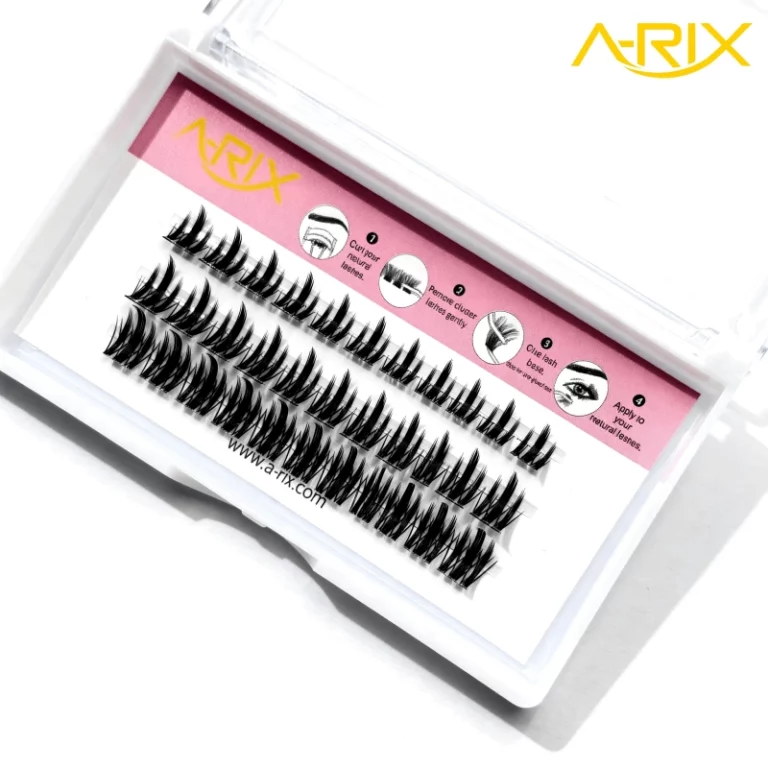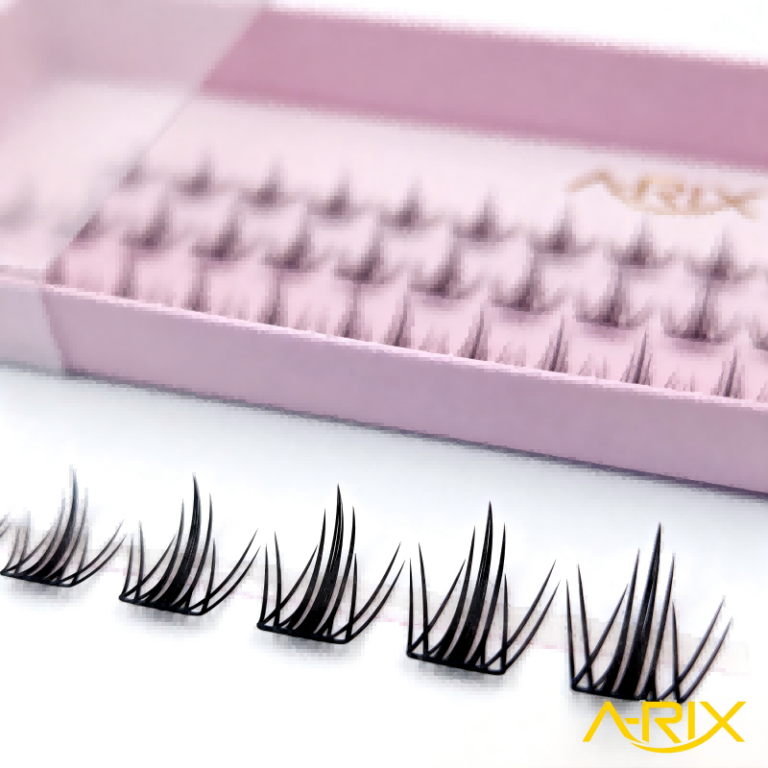
A great pair of false lashes can totally change your look. They can turn a simple A good pair of false lashes can totally transform your look. Just two things—what they’re made of and how well they’re made. In this post, I’ll break down what makes a solid pair of falsies, how to pick the right material, and why skimping on these two things ruins your whole lash experience.
First Up: The Main Materials for False LashesFalsies come in different materials, each with their own upsides, downsides, and best uses. The material determines how soft, bendy, and long-lasting the lashes are—even if they’re made ethically. Let’s chat about the most common types you’ll spot.
- Human Hair Lashes: Go-To for a Natural Look
Want lashes that look totally real and blend right into your own? Human hair lashes are your best bet.
They’re made from real human hair—mostly from Asia, where the hair quality stays pretty consistent. When you put ’em on right, they look, shine, and even move just like your natural lashes. You’ll barely notice the difference between them and your real ones!
But here’s the thing: not all human hair lashes are created equal. The good stuff uses remy hair—that’s hair where all the cuticles point the same way. Cheaper options use non-remy hair (cuticles all jumbled up) or mixed fibers. Those get frizzy, tangled, and dull after just a few uses—total bummer.
The best part about human hair lashes? They’re so versatile! You can curl them, trim them to fit your eye shape, and even use low-heat tools (like a regular lash curler) to style them exactly how you want. Plus, they’re reusable—with gentle cleaning and proper storage in a case, they can last 15–20 wears.
The downsides? They cost more than synthetic lashes. Also, if you don’t buy from a trusted brand, you might not know if the hair was sourced the right way. Always pick brands that say their human hair lashes are cruelty-free and ethically sourced—you’ll feel better about using them, guaranteed.
- Synthetic Lashes: Cheap and Durable for Bold Looks
Synthetic lashes are the most common pick, and the cheapest too. You can get way bolder styles with these than human hair lashes, which is why they’re a go-to for drama.
But here’s the thing—synthetic lash quality varies so much. The good ones are made with super soft polyester fibers, so they feel light as a feather on your lids. The cheap acrylic ones? Total nightmare. They’re stiff, scratchy, and can irritate sensitive eyes big time. High-quality synthetics also have that natural shine—nothing like the cheapo ones that look all plasticky and fake. And they hold their shape really well, no random curling or warping halfway through the day.
One big downside of synthetic lashes is that they can’t handle heat. Using a curler or any heated tool will melt or damage them, so you have to wear them as they are. They’re also less reusable than human hair lashes: good synthetics last 5 to 10 wears, while cheap ones fall apart after 1 or 2 uses. For everyday wear, pick “natural synthetic” styles—with thin bands and wispy fibers—they’re affordable and comfortable.
- Animal Hair Lashes: Controversial and Less Popular Now
A while back, animal hair lashes—think mink, sable, or fox—were super popular for that fancy, luxe look. People went crazy for them because they’re ultra-soft and have that natural, tapered end that looks so good. But these days? They’re totally controversial, and it’s all because of ethics. Here’s the thing: real mink lashes often come from farms where minks are treated terribly. Or they’re taken from wild minks, which messes up the environment big time. Real ones aren’t just unethical—they’re even illegal in some places! The best part? Faux mink lashes are just as soft and natural-looking as the real deal, but no animals get hurt in the process.
- Special Materials: Magnetic and Waterproof Lashes
Besides the usual materials, there are special lashes made for convenience. Magnetic lashes have small magnets—either on the band itself or used with magnetic eyeliner—to stick to your lids. You don’t need glue at all. They’re made from synthetic or human hair attached to a flexible magnetic band. Good magnetic lashes have strong, evenly placed magnets that stay put without pinching your lids. Cheap ones have weak magnets that slide around or irritate your eyes.
Waterproof false lashes are another special type. They’ve got a waterproof coating, so they can handle sweat, humidity, or even tears—no problem. Most of these are made with synthetic fibers, which are way better at dealing with moisture than human hair. Perfect for beach days, gym sessions, or those long events where you don’t wanna worry about your lashes falling apart.
The catch? That waterproof coating can make ’em feel a little stiff. So make sure you pick brands that use light, breathable sealants—otherwise, they might get uncomfortable after a while.
Quality Control: What Makes Great Lashes vs. Bad Ones
Even the best materials won’t save lashes that are poorly made. Quality control (QC) is what makes the difference between great lashes and bad ones—it ensures they’re consistent, safe, and work well. Here’s what to look for in brands that care about QC:
- Lash Band Quality (The Make-or-Break Part!)
The lash band is the backbone of any false lash set—it totally makes or breaks how well they stick, fit, and feel on your lids. Good bands are made of thin, bendy stuff (like cotton, silk, or soft synthetic mixes) that follows your eyelid’s natural curve. For strip lashes, the stitching’s nice and even; for individual lashes, the glue holds tight so fibers don’t fall out mid-wear.
Cheap bands though? They’re thick, stiff, and stitched all messy. They’ll poke at your lash line, won’t lay flat, and start hurting after just a few minutes. If you want a natural vibe with strip lashes, go for invisible or clear bands (they’re made of see-through synthetic material). If you want a little more definition, black cotton bands are the way to go. Skip any bands that feel plasticky or have loose threads—those are total red flags for bad quality.
- Fiber Placement & Fullness
Good lashes have fibers lined up nice and neat—no clumps, no gaps, no random weird lengths. If you want that natural look, the fibers need to be tapered, y’know—thicker at the base and thinner at the tips, just like your real lashes. For that bold, eye-popping vibe? The fullness has to be consistent all the way through—no bare spots, no overcrowded messes.
Brands that actually care about quality will check every single batch to make sure all the lashes are the same. When you’re shopping, take a close look at the fibers. If they’re frayed, all out of whack, or covered in big globs of glue? Yeah, those are total duds. Individual lashes (like clusters) should all be the same size and shape too—bad ones will make your lashes look patchy and super fake.
- Adhesive Compatibility & Safety
Good false lashes work great with safe, reliable glue. Trusted brands usually sell their own glue—stuff that’s hypoallergenic, latex-free, and stays put for hours. Or they’ll tell you exactly which glues pair best with their lashes. Cheap lashes though? They might react badly with regular glue—the band could start falling apart, or fibers might shed left and right.
Safety’s huge when it comes to lash glue. Cheap glue is often loaded with harsh chemicals (like formaldehyde or strong solvents) that irritate your eyes, trigger allergies, or even damage your real lashes. Always buy lashes from brands that test their products for safety and follow the rules—like FDA standards in the US or EU cosmetic safety guidelines. Don’t mess around with no-name stuff that skips these checks.
- Reusability and How Long They Last
One surefire sign of great false lashes? They can be worn again and again. Like I said earlier, human hair lashes can last 15–20 wears if you take care of ’em right. Synthetic ones? Maybe 5–10 uses. But the cheap, poorly made stuff? It’ll lose shape, shed fibers, or break after just 1 or 2 times—total waste of money.
Brands that care about quality use tough materials and solid stitching or glue to make their lashes reusable. Wanna make yours last longer? Easy. Clean ’em after every wear with gentle makeup remover or lash cleaner. Don’t yank or tug on ’em, and always store ’em in their original case. Simple as that.
How to Spot Low-Quality Lashes (And Avoid Them Like the Plague)
There are so many lash options out there, it’s easy to grab a dud by mistake. Here are the red flags you need to watch for:
Too cheap to be real: If a “human hair” lash pair is only $2–$3? Yeah, it’s probably not real human hair. It’s more likely low-quality mixed fibers or non-remy hair that’ll turn into a frizzy mess fast.
Stiff and scratchy: Run your finger over the lashes. If they feel rough, plasticky, or even irritate your skin a little? Skip ’em—they’re poorly made.
Loose fibers or glue blobs: Check the band and the lashes themselves. If you see loose threads, big clumps of glue, or fibers that are all uneven? Pass.
No brand info: Generic, no-name lashes almost never have quality checks or safety tests. Stick to brands with clear labels and real customer reviews—you’ll thank yourself later.
Strong chemical smell: If the lashes reek of harsh chemicals? That’s low-quality materials or glue, and it could even be toxic. Hard pass.
Final Thoughts: Spend a Little More for Better Lashes
False lashes are so worth it for your beauty routine—don’t be scared to splash a little extra cash on ones made with good stuff and proper quality checks. Whether you’re into natural human hair lashes, budget-friendly synthetics, or easy magnetic ones—if you pick quality first, your lashes will look great, feel comfy, and last way longer.
Stick to brands that tell you exactly where their materials come from and how they test their products. And always do a patch test with new lashes (and glue!) on a tiny spot of skin before you put ’em on your lids.
Grab the right set of well-made lashes, and you’ll get that perfect look that boosts your confidence and stays put all day long.
What’s your go-to lash material? Ever had a total lash fail (or a holy-grail win)? Drop your thoughts in the comments!