When you start a lash brand or grow an existing product range, picking the right eyelash factory becomes a key choice in your strategy. Issues like late shipments, uneven curl holding, quick drying of glues, or poor packing can hurt your brand’s image far more than small savings in making costs.
China still acts as the main spot for producing strip lashes, DIY cluster lashes, and custom eyelash lines. Yet, not every seller you find on the web runs a real factory. Many just serve as middlemen who handle trade but have no say in the actual making. For steady quality, smooth talks, and ongoing partnerships, you need a clear method to find and check eyelash factories. Pingdu in Shandong stays as the core area for this work. It handles about 70% of the world’s output and hosts more than 5,000 focused firms,exporting around 120 million pairs of false eyelashes annually and generating an industry output value of approximately 10 billion yuan (about $1.4 billion USD). The sector involves over 5,000 businesses and employs nearly 60,000 people (as reported in 2025).
Like A-RIX, show well-organized production with special teams for new product creation, checks for quality, and full service steps.
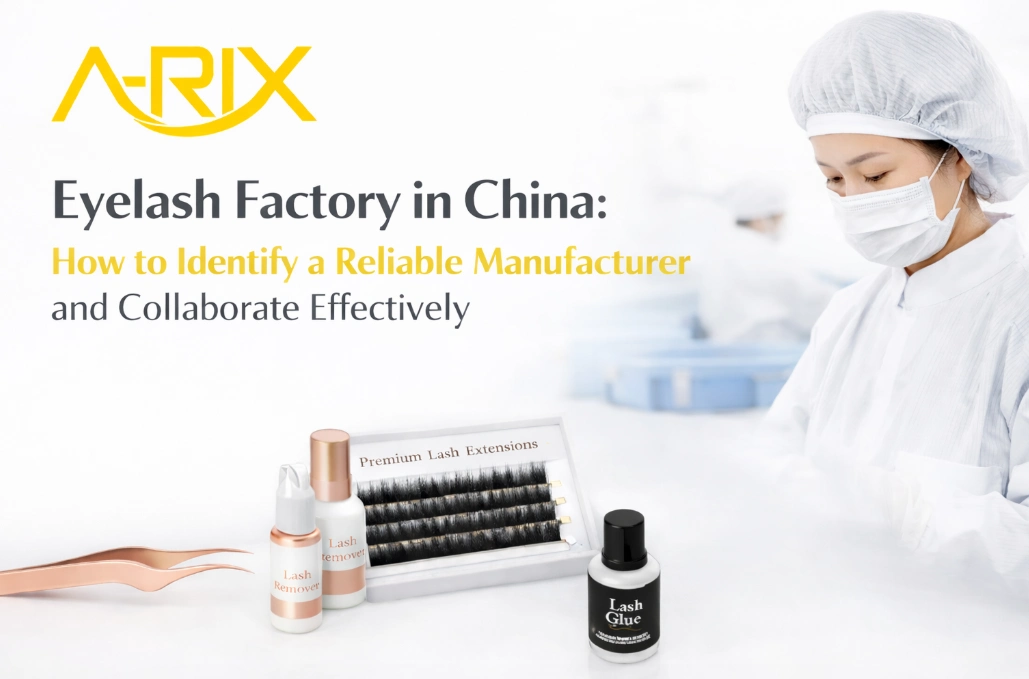
The Importance of Choosing a Genuine Eyelash Manufacturer
The global false eyelashes market was valued at approximately USD 1.9 billion in 2024 and is projected to reach USD 2.75 billion by 2030, growing at a CAGR of 6.4% from 2025 onward, underscoring the importance of reliable manufacturing partners in a rapidly expanding industry.
Distinguishing Manufacturers from Trading Companies
A true eyelash manufacturer runs its own setup for production and buildings. These setups cover places for cutting fibers, tables for hand or partly automatic forming, rooms with steady heat and dampness for making curls, and lines for putting together packages. Materials like fake fibers, which measure from 0.02 to 0.20 millimeters across, get close checks before anyone uses them. Types of curls, such as C and D curls, take shape in watched conditions of warmth and moisture. This ensures they keep their form and stay even through several uses. Trading companies miss direct watch over these steps. So, problems with fiber width or curl evenness mean they send work to other shops. That slows down making and trying samples by a lot.
Operational Practices of Professional Eyelash Factories
Skilled manufacturers stick to a planned flow that includes checking raw materials, forming shapes and curls, building bands, and several checks for quality. The allowed differences in raw fibers must stay inside set limits. This keeps the fullness and ease right. Forming curls, like C, D, and L types, depends on exact handling of heat and dampness. Building bands uses cotton, clear, or ready-glued bottoms with measured glue spread. They avoid hardness or weak sticking. Done products pass through four steps of quality looks. These cover raw materials, evenness in half-done curls, fullness in finished items, and final checks on packages. Factories that explain these ways in detail show the grown-up setup needed to back custom label brands.
Locating a Reliable Eyelash Factory in China
Checking a factory calls for looking at several areas. These include the spread of products and their details, if they offer full lists, how clear their service steps are for OEM and private label jobs, if they post news often to show steady work, and if talks channels stay open. Factories that hide this kind of info often lead to trouble in running things down the line.
Key Product Capabilities of Modern Eyelash Factories
Strip Lashes
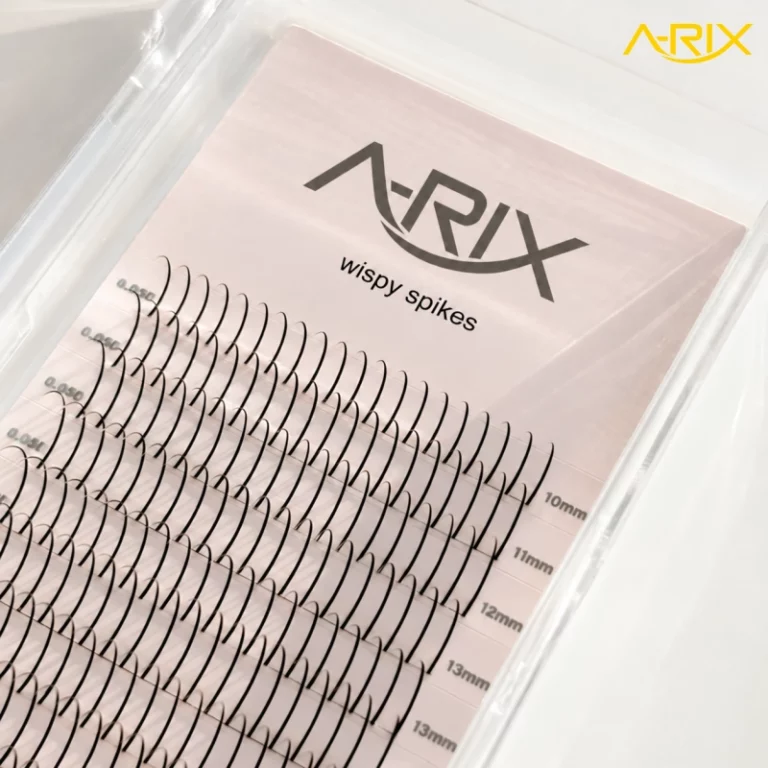
Strip lashes keep as the top group for lots of brands. Strip lashes continue to dominate, holding the largest share among product types—for example, they accounted for a significant portion of sales in 2024–2025, with some reports indicating over 65% market share in certain segments due to their ease of use and variety.People want fresh looks, like stacked pointy fibers that mimic wet-look styles. Making these needs tight grip on how layers of fibers angle, space between clusters, bend in bands, and evenness in curls. Getting these parts right matters more than keeping costs low.
DIY Cluster Lashes and 3D Printing
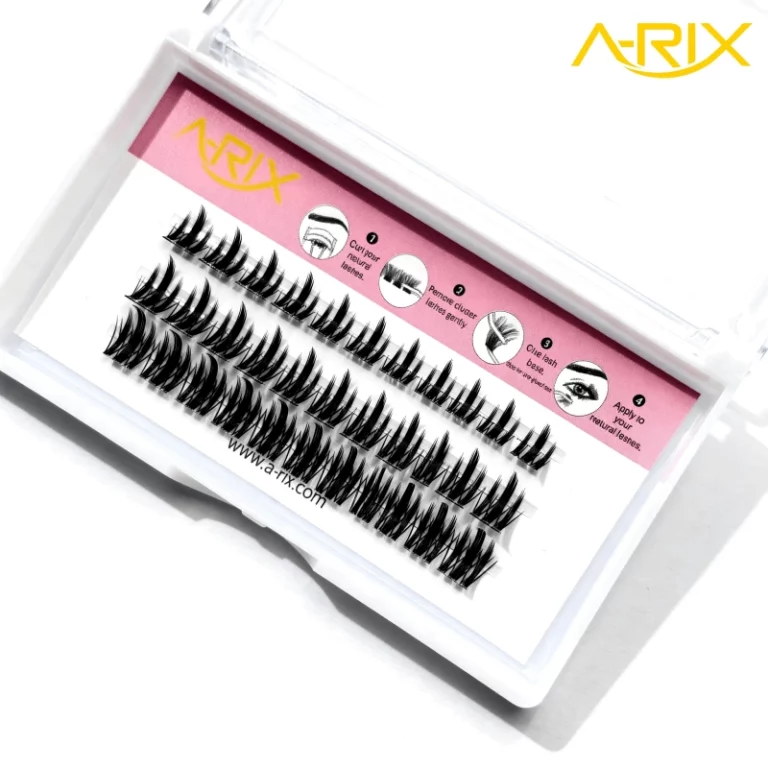
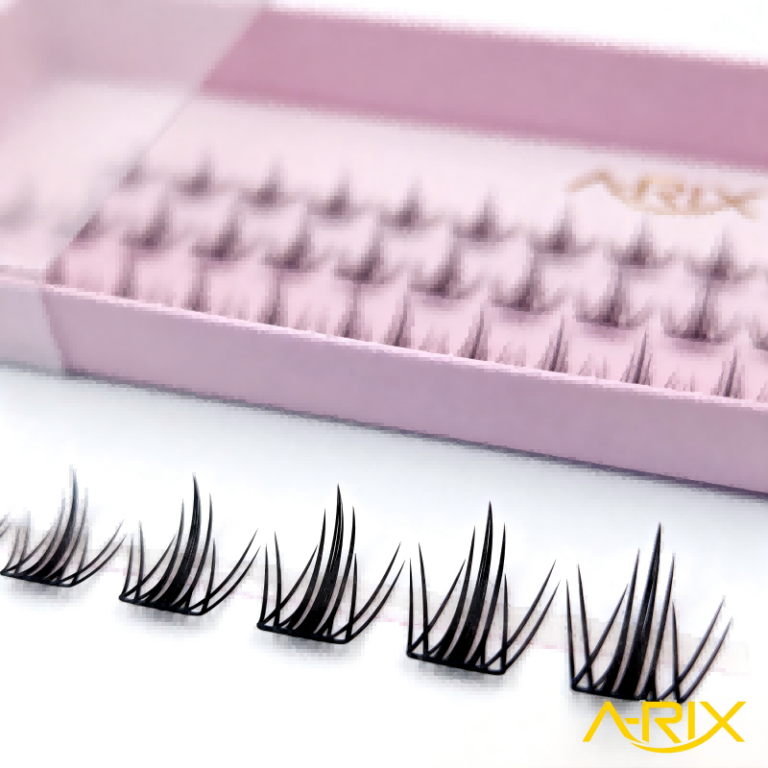
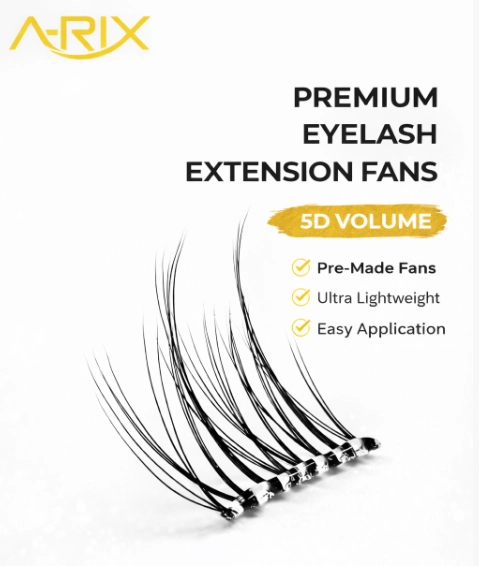
DIY cluster lashes grow in favor in places like Southeast Asia and North America. Better making uses 3D laser-cutting tools. These let workers shape bases exactly and spread pre-glue evenly. As a result, sticking holds steady, and curls stay put. Factories without this skill can’t promise even quality or copy tricky styles well.
Evaluating Factory Performance Prior to Orders
Getting samples matters a great deal. You can test how well curls hold under set warmth levels. Also, check how bands bend, and see if glue works right for pre-glued kinds. Make sure about times for leads, how much they produce each day, and plans for busy times. A clear system for quality watch includes keeping an eye on dampness in rooms for shaping. It also covers tests for how curls remember their form and drop tests on packages to meet rules for sending abroad.
Stepwise Collaboration with Eyelash Factories
1. Set your product’s place and the market you aim for. This includes picking between strip lashes and DIY clusters.
2. Look over lists and pick main styles near what you want.
3. Check details on tech specs. These cover fiber width, curl kind, band stuff, glue type, and how lengths map out.
4. Do checks on samples and ask for changes if needed.
5. Watch over big production runs. Use photos or videos for quality checks when you can.
6. Build lasting ties. Stay up on trends in the field through updates from the factory.
Common Mistakes in Factory Selection
People often slip up by putting low cost ahead of good quality. They skip steps for samples, don’t check if the maker is real, and ignore how well talks flow. Spending time to weigh choices cuts down risks to your brand. In turn, this helps steady growth over time.
Why Structured OEM Factories Like A-RIX Are Recommended
A-RIX stands out as a factory with a strong setup for products. It covers strip lashes and 3D laser-cut cluster lashes. The place keeps its own skills for building new items, clear steps for services, and full ways to connect. Places like this give steady quality. They lower risks in daily work and help brands grow into world markets for the long haul.
FAQ
Q1: What is the typical minimum order quantity for private label eyelashes?
A: Minimum order quantities vary by style and packaging. Standard strip lashes require lower quantities, whereas customized or 3D-printed cluster lashes may necessitate higher volumes. A-RIX offers flexible MOQ options, allowing smaller brands to start with limited orders while maintaining high quality.
Q2: How long does production generally take?
A: Sampling usually requires one to two weeks, while mass production spans three to five weeks depending on order size and season. A-RIX prides itself on efficient production timelines, offering fast-turnaround solutions for both sample creation and mass production, ensuring timely delivery for your brand’s needs.
Q3: Can factories produce exclusive lash designs?
A: Yes, factories with in-house development and shaping facilities can create custom designs. Specifications such as fiber thickness, curl type, and band material must be provided. A-RIX specializes in producing exclusive, custom eyelash designs, including innovative styles like 3D laser-cut lashes, with full flexibility to meet your brand’s unique vision.
Q4: How can one verify that a supplier is a genuine manufacturer?
A: Evaluate product organization, service explanation, and quality control procedures. Authentic factories articulate each production step and inspection stage. A-RIX is a trusted OEM/ODM manufacturer, with a strong track record of over a decade in the eyelash industry, ensuring comprehensive transparency, high-quality control, and reliable results.
Q5: Does China remain a viable location for eyelash manufacturing?
A: China continues to dominate global OEM eyelash production due to its mature supply chains, skilled workforce, and scalable manufacturing infrastructure. A-RIX, based in Pingdu, Shandong, is at the forefront of this industry, offering world-class manufacturing and international certifications to ensure product quality for global markets.