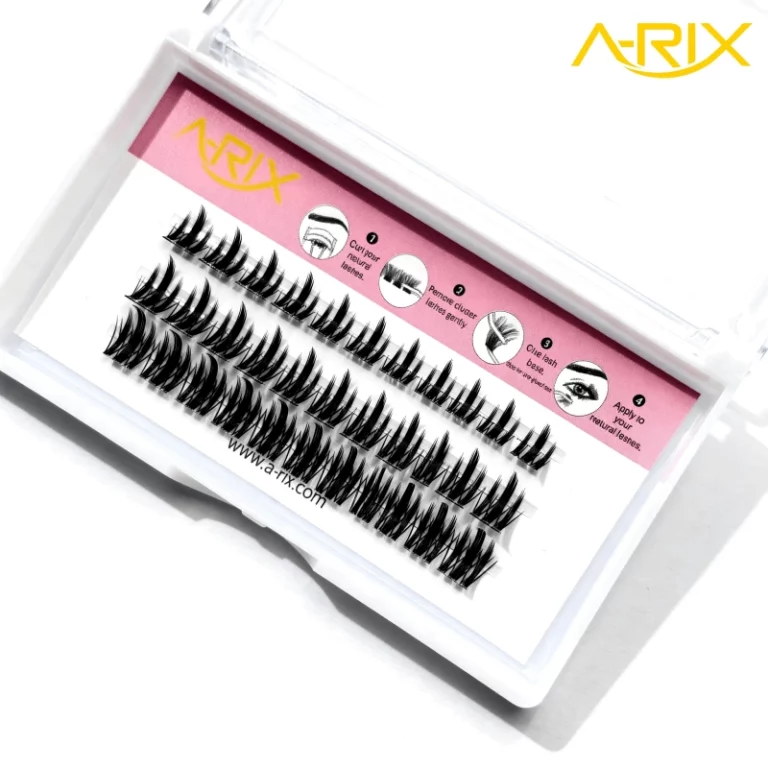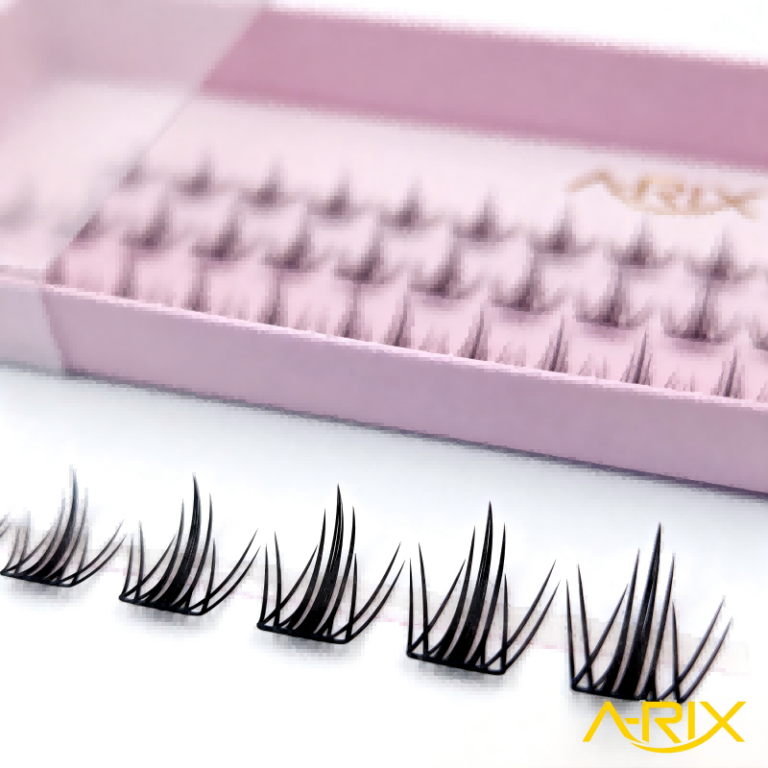
The false eyelash market is still growing, but not as fast as before. But consumer taste keep changing even faster than before. The fact is: the question for beauty brands is no longer simply “Should we sell false lashes?” The more important question is: which lash styles are still worth sourcing, and which ones are starting to lose market appeal? This question is every brand needs to solve urgently. And need to ask themselves everyday.
According to Grand View Research, the global false eyelashes market was estimated at USD 1.89 billion in 2024 and is projected to reach USD 2.75 billion by 2030, growing at a CAGR of 6.4% from 2025 to 2030. Strip lashes still remain a major segment, accounting for over 39% of global revenue share in 2024, while individual lashes and cluster/accent formats are becoming increasingly important as consumers seek more customized, natural-looking results.
This means the category is not declining. Instead, it is evolving. Heavy, bold, one-size-fits-all lashes are losing relevance, while lightweight, wearable, customisable, and ethically positioned products are gaining stronger attention.
For lash brands, wholesalers, salons, and private label buyers, this shift creates a clear sourcing opportunity. Below are four false lash styles that are losing popularity — and what brands should source instead.
1. Overly Thick Black Band Lashes
For many years, thick black band lashes were a go-to product for dramatic makeup looks. They created an instant eyeliner effect, helped define the eye shape, and were easy for beginners to place along the lash line. However, the market is moving toward softer, cleaner, and more flexible lash designs.
The rise of “clean girl,” “ghost lashes,” and no-mascara beauty reflects a broader consumer preference for subtle definition rather than heavy eye makeup. Harper’s Bazaar recently reported that “ghost lashes” and no-mascara looks have gained momentum across runway and beauty culture, with lash products seeing weaker demand in some areas as consumers shift toward more minimal eye looks.
Consumer feedback also supports this shift. In public beauty communities, many users complain that false lashes can feel “heavy,” “uncomfortable,” or irritating after several hours of wear. One Reddit user described strip lashes as making the eyes feel “super heavy and uncomfortable,” even when using thinner styles.
That does not mean strip lashes are disappearing. Grand View Research still identifies strip lashes as the largest product segment in the U.S. false eyelashes market, with a 40.52% revenue share in 2024. The issue is not the strip lash format itself. The issue is the old version of strip lashes: stiff black bands, excessive density, and styles that require heavy eyeliner to blend.
What brands should source instead
Brands should consider sourcing:
- Clear band lashes
- Invisible band strip lashes
- Soft cotton band lashes
- Half lashes
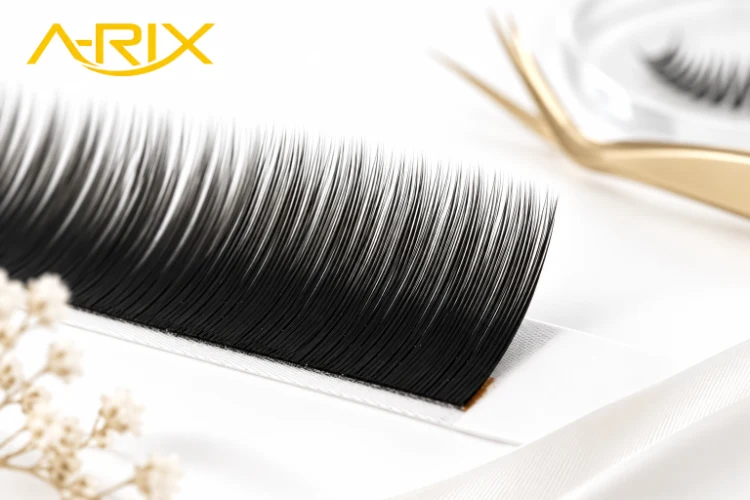
- Lightweight wispy strip lashes
- No-eyeliner natural strip lashes
Clear band lashes are especially suitable for natural makeup users because they reduce the visible “fake lash line” effect. Beauty product guides and retailer descriptions frequently highlight clear bands for their natural appearance, flexibility, and comfort. TikTok Shop’s clear band lash category, for example, emphasizes that transparent bands help create a natural look and are often perceived as lighter and easier to wear for longer periods.
For suppliers, the key is to offer clear band and soft band options in multiple lash maps: natural cat-eye, doll-eye, half lash, wispy, and daily wear. Brands should avoid relying only on thick black band SKUs unless their customer base is specifically focused on stage makeup, full glam, or drag-inspired looks.
2. Extra-Heavy Mega Volume Lashes
Mega volume lashes still have a niche market. They work for dramatic looks, photoshoots, nightlife, and specific influencer-driven aesthetics. However, for mainstream retail, everyday makeup, and beginner users, ultra-heavy lashes are becoming harder to sell as a core product line.
The current beauty direction is more balanced. Allure’s 2025 spring makeup trend coverage highlighted fresh skin, softer brown tones, romantic blush, and brown mascara as part of a broader move toward intentional but wearable beauty. Meanwhile, Who What Wear reported that brown mascara gained traction on TikTok, with the trend linked to softer “clean girl” and “no-makeup makeup” looks.
This matters for the lash industry because mascara trends often signal lash style preferences. If consumers are replacing black mascara with brown mascara, or skipping mascara entirely, they are less likely to choose extremely dense black false lashes for daily use.
There is also clear consumer resistance to overly dramatic styles. Public reactions to “mega volume” lashes often include criticism that they look too heavy, unnatural, or unflattering, even though some users still love them for personal expression. A viral example reported by The Sun described 18mm mega volume lashes receiving mixed reactions online, with some viewers calling them unflattering while supporters defended the bold style.
For B2B buyers, the lesson is simple: mega volume lashes should not disappear from the catalog, but they should not dominate the assortment either.
What brands should source instead
Better alternatives include:
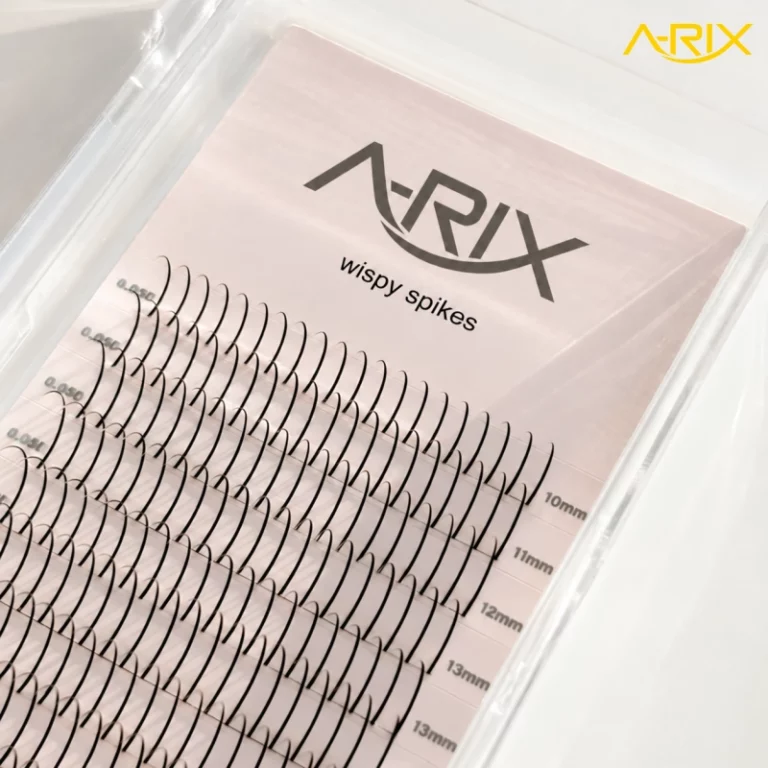
- Wispy lashes
- Anime / manga lashes with controlled spikes
- Wet-look lash extensions
- Angel lashes
- Hybrid volume lashes
- Natural volume premade fans
- Lightweight 0.03 / 0.05 / 0.07 lash extensions
The most important sourcing direction is controlled drama. Consumers still want visible results, but they want them to look intentional, flattering, and wearable. For example, TikTok-driven lash trend reports point to natural glam, wispy textures, angel lashes, brown lashes, and wearable manga styles as rising directions.
For suppliers, this means brands need lash styles that photograph well but do not overwhelm the eye. Instead of sourcing only 18mm, dense, uniform volume lashes, buyers should develop mixed-length trays, spiky maps, wet-look closed fans, and lighter density options.
A good wholesale assortment could include:
| Old Style | Better Alternative |
| 18mm mega volume strip lashes | 12–16mm wispy strip lashes |
| Dense uniform black lashes | Textured hybrid lashes |
| Heavy full-glam fans | Lightweight premade fans |
| One dramatic style for all users | Multiple lash maps for different eye shapes |
This allows brands to keep dramatic products while making the collection more commercially flexible.
3. Traditional Mink Lashes
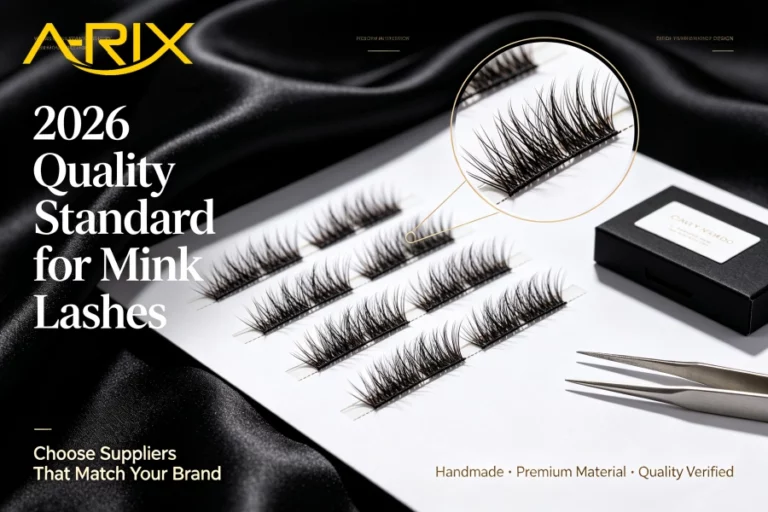
Traditional mink lashes used to be positioned as a luxury product. They were marketed as soft, fluffy, and premium. However, the beauty market has changed. Ethical sourcing, vegan beauty, cruelty-free claims, and material transparency are now much more important in product positioning.
The shift away from mink is not just theoretical. Allure reported that Velour announced it would stop producing mink lashes and transition to a mink-free range, following a broader movement toward cruelty-free and vegan-friendly products.
For modern beauty brands, mink lashes can create positioning risk. Even if some consumers still associate mink with luxury, many younger buyers now prefer faux mink, synthetic silk, Korean PBT fiber, vegan fibers, or cruelty-free alternatives. This is especially important for brands selling in Western markets, where “vegan,” “cruelty-free,” and “animal-free” language can strongly influence brand trust.
The issue is not only ethics. Faux mink and advanced synthetic fibers have improved significantly. Many modern synthetic lashes can now deliver a soft, fluffy, tapered finish without relying on animal hair. This makes traditional mink less necessary from both a product development and brand storytelling perspective.
What brands should source instead
Brands should consider:
- Faux mink lashes
- Vegan false lashes
- Synthetic silk lashes
- Korean PBT lash extensions
- Cruelty-free strip lashes
- Eco-conscious lash packaging
- Animal-free private label collections
This replacement strategy is especially strong for DTC brands, Amazon sellers, TikTok Shop sellers, beauty retailers, and private label buyers. A product page that says “vegan faux mink lashes with a soft invisible band” is usually easier to market today than one that relies on “real mink” as a luxury claim.
For suppliers, it is also worth preparing documentation and sales materials around material claims. Buyers may ask:
- Are the lashes vegan?
- Are they cruelty-free?
- Are they made from synthetic fibers?
- Can the packaging include vegan/cruelty-free icons?
- Can the product be customized for private label?
- Can the same style be made in black, brown, and mixed-brown fibers?
A strong supplier should not only provide the lash product but also help the buyer build a compliant and attractive product story.
4. One-Style-Fits-All Lash Trays
Another lash style losing relevance is not a specific look, but a sourcing model: the generic one-style-fits-all tray.
In the past, many brands could sell a basic 5-pair or 10-pair lash pack with the same length, same density, same curl, and same black color. Today, consumers expect more personalization. Eye shape, makeup style, lash comfort, application skill level, and occasion all matter.
Professional product testing also reflects this. InStyle’s tested false lash guide evaluated lashes based on application, weight, wear, look, and reusability, with Ardell Demi Wispies selected as a top option partly because of their undetectable band and natural look. Byrdie’s false lash guide also highlights comfort, ease of application, lightweight feel, seamless bands, and beginner-friendly designs as important evaluation factors.
In other words, consumers are not only asking, “Are these lashes pretty?” They are asking:
- Are they comfortable?
- Do they fit my eye shape?
- Are they easy to apply?
- Do they look natural in daylight?
- Can I wear them without eyeliner?
- Can I reuse them?
- Are they suitable for beginners?
This is why cluster lashes, underlash systems, half lashes, brown lashes, and mixed-length trays are becoming more attractive. They allow consumers to create a more customized result instead of being forced into one full-strip look.
Grand View Research also notes that individual lashes are among the more lucrative product segments, with strong growth potential compared with traditional formats. This supports the idea that customization is becoming a core growth direction.
What brands should source instead
Instead of generic one-style trays, brands should develop:
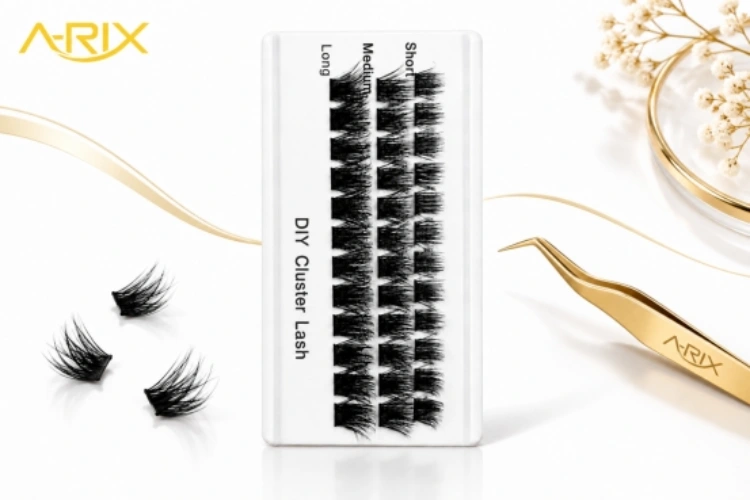
- DIY lash cluster kits
- Mixed-length cluster trays
- Underlash extension kits
- Brown and black-brown lash trays
- Half lash sets
- Beginner-friendly pre-glued lashes
- Lash bond & seal kits
- Custom lash maps for different eye shapes
For suppliers, a strong product line could include:
| Consumer Need | Recommended Product |
| Natural daily makeup | Clear band wispy strip lashes |
| Beginner application | Pre-glued lashes or half lashes |
| Customizable look | DIY cluster lash kit |
| Softer eye definition | Brown lashes or black-brown mixed lashes |
| Salon training | Premade fan trays and lash mapping sets |
| Long wear | Bond & seal underlash system |
This approach helps brands serve different customer segments instead of forcing every user into one standard lash style.
What This Means for Lash Brands and Wholesale Buyers
The false lash category is still commercially attractive, but the winning products are changing. Market data shows steady growth, but social trends and user feedback show a clear movement toward comfort, natural enhancement, customization, and ethical materials.
Brands should be careful about overstocking outdated products such as:
- Thick black band lashes
- Ultra-heavy mega volume styles
- Traditional mink lashes
- Generic one-style lash trays
Instead, the stronger sourcing direction is:
- Lightweight clear band lashes
- Wispy natural strip lashes
- Brown and soft-black lashes
- Faux mink and vegan fibers
- DIY cluster lash kits
- Underlash systems
- Mixed-length lash trays
- Beginner-friendly lash products
- Custom private label packaging
For a false eyelashes supplier, this is also an opportunity to move beyond basic manufacturing. The best suppliers should help buyers with trend-based product development, packaging customization, fiber selection, lash map design, starter kit planning, and wholesale assortment strategy.
Final Takeaway
False lashes are not going out of style. What is going out of style is the old idea that every customer wants the same thick, black, dramatic lash.
The next generation of lash products is softer, lighter, more customizable, and more brandable. Consumers want lashes that fit their lifestyle: natural enough for work, comfortable enough for all-day wear, flexible enough for different eye shapes, and stylish enough for social media.
For beauty brands, the opportunity is clear: source fewer outdated lash styles and invest more in natural, wearable, and customizable lash collections.
For wholesalers and private label buyers, the best question to ask a supplier in 2026 is not just “What lashes do you have?” but:
“Can you help us build a lash collection that matches where the market is going?”