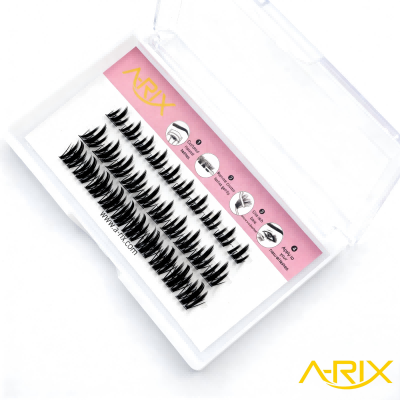
If you run a beauty brand, big or small, eyelash extensions are no longer a “nice-to-have” product. They are a steady, high-profit item that keeps customers coming back month after month. These days, more beauty brands are ditching generic wholesale lashes and switching to private label options. But a lot of brand owners still don’t fully understand how private label lash extensions work, what mistakes to avoid, and how to make them work for their business. This blog breaks down simple, practical insights every beauty brand needs to know, no fancy industry jargon, just real usable tips.
- Why Private Label Eyelash Extensions Are Taking Over the Beauty Market
Private label lash extensions are basically lashes made by a third-party factory, but branded with your own logo, packaging, and style. You don’t need to own a manufacturing factory, hire production teams, or spend tons of money on research. You just pick your lash styles, customize your packaging, and sell them under your brand name. This business model has blown up in the beauty industry over the past few years, and there are two core reasons behind this trend.
1.1 Low Startup Cost and Low Risk for Brands
For new beauty brands or small salon owners, building a product line from zero is super expensive. Making lash extensions needs professional machines, raw material supplies, and strict quality testing. Most small brands can never afford that. Private label totally fixes this problem. You only pay for the products you order, no huge upfront investment, no equipment fees, no long-term factory contracts.
Also, most reliable lash manufacturers have flexible MOQ (minimum order quantity). You don’t need to order thousands of trays at once. You can start with a small batch to test the market, see which styles sell well, and then restock more. This cuts down your inventory risk a lot. If a certain lash curl doesn’t popular with your customers, you can just switch styles for your next order, no big loss. That’s why private label lashes are perfect for new brands testing their footing and mature brands expanding their product lines.
1.2 Build Unique Brand Identity and Customer Loyalty
Generic wholesale lashes all look the same. Every salon and online store can buy them, so there’s no unique selling point. Customers can easily find the same products at a lower price elsewhere, and they have no reason to stick to your brand. Private label changes this completely.
When you have your own branded lash extensions, you control every small detail. You can pick exclusive lash curls, soft fiber textures, custom tray colors, and unique packaging with your logo and brand slogan. When customers use your lashes and love the effect, they will remember your brand, not just a random lash product. Many beauty brands make the mistake of only focusing on sales, but repeat customers are what make a brand survive long-term. Private label lashes let you build a professional, exclusive brand image, making customers trust you more and choose your products over generic ones.
- Key Customization Details That Actually Drive Sales
A lot of brand owners think private label only means printing a logo on the box. That’s the biggest mistake you can make. Simple logo customization won’t make your products stand out in the crowded beauty market. The real profit and competitiveness come from targeted customization that fits your target customers. Here are the most important customization parts you need to focus on.
2.1 Product Customization: Match Your Target Audience’s Needs
Different customers want totally different lash effects. If your brand targets daily casual users, most of them prefer natural, lightweight lashes. Thick, dramatic volume lashes will feel heavy for them and won’t sell. For this group, you should customize classic thin thicknesses, gentle curls like C and D curls, and medium lengths for daily makeup.
If your brand focuses on makeup artists, salon professional use, or party and stage makeup, you need bold, fluffy volume lashes, mixed lengths, and dramatic curls. You can also try trendy colors like dark brown, colored tips, or wispy hybrid styles that go viral on social media. Never blindly follow what other brands sell. Always customize products based on your own audience.
Material is another key point. Faux mink is the most popular choice right now. It’s soft, lightweight, has a natural shine, and is way cheaper than real mink fur. It’s also vegan-friendly, which fits most modern beauty consumers’ values. You should stick to high-quality faux mink to avoid rough lashes that irritate clients’ eyes.
2.2 Packaging Customization: Sell More With Better Unboxing Experience
In 2026, packaging is not just for protecting products. It’s free marketing. A lot of customers buy beauty products just because the packaging looks pretty and unique, especially on TikTok and Instagram. Viral lash brands all have one thing in common: eye-catching, shareable packaging.
You don’t need super fancy expensive packaging. Small tweaks can make a huge difference. You can choose magnetic closure boxes, drawer-style packaging, or holographic finishes that look premium. Print your brand logo clearly, add simple usage tips or brand stories on the package, and even put a small thank-you card inside. When customers post unboxing videos or photos online, your brand gets free exposure. This small detail can bring you tons of new customers without paying for ads.
- Common Private Label Lash Mistakes Brands Need to Avoid
Private label lash extensions are profitable, but many brands fail because of avoidable mistakes. If you want to run a stable long-term lash business, stay away from these common errors.
3.1 Chasing Low Prices Over Consistent Quality
Many new brands only compare prices when choosing manufacturers. They pick the cheapest supplier to save costs, but this always backfires. Cheap lash products usually have uneven lengths, rough fiber edges, easy shedding, and poor curl retention. One bad batch of lashes can ruin your brand’s reputation forever.
Customers don’t remember your low price, but they remember bad quality. If their lash extensions fall out fast or feel uncomfortable, they will never buy from you again. They will also leave bad reviews and tell their friends not to trust your brand. It’s always better to pay a little more for stable, consistent quality. A reliable manufacturer with strict batch testing is worth every penny.
3.2 Overstocking Too Many Styles at the Start
Another common mistake is ordering too many lash styles at once. Brand owners want to cover all customer needs, so they stock classic, volume, wispy, colored, and all kinds of curls. But this leads to slow inventory turnover. Some unpopular styles will sit in stock for months, tying up your money.
The smart way is to start with 3-5 best-selling core styles. Test the market for 1-2 months, track which styles get the most orders and best feedback, then add new styles gradually. This keeps your cash flow flexible and avoids waste of inventory.
- Final Thoughts
Private label eyelash extensions are one of the best low-risk, high-reward product lines for every beauty brand in 2026. It lets you build your own brand characteristics, increase profit margins, and build long-term customer loyalty without heavy manufacturing investment. The key to success is not copying other brands, but focusing on your audience’s needs, doing targeted customization, sticking to stable quality, and avoiding blind stocking and cheap quality traps.
If you can master these simple but powerful private label insights, your lash product line will stand out from thousands of generic beauty brands and grow steadily in the competitive beauty market.