For years, the false eyelash market was built around a relatively simple idea: find your favorite lash style and keep buying it.
Today, that model is changing.
The same consumer may want barely-there brown lashes for work, a lifted half lash for brunch, wispy clusters for a date night, and a fuller cat-eye look for a weekend event. Instead of searching for one “perfect” pair, consumers are increasingly treating lashes in the same way they treat lipstick, fragrance, or accessories: different looks for different moods, outfits, occasions, and identities.
This creates an interesting product opportunity for beauty brands—the lash wardrobe.
A lash wardrobe does not necessarily mean selling more individual lash SKUs. It means designing a product system that gives consumers several clearly differentiated looks while making it easy to understand when, where, and how to wear each one.
For lash brands and product developers, this shift could open a new direction for assortment planning, packaging innovation, social content, and repeat purchases.
The Market Is Moving From “One Signature Look” to Multiple Beauty Identities
Beauty is becoming increasingly personal.
McKinsey’s 2025 beauty research described individuality and hyperpersonalization as increasingly important for beauty companies, while its 2026 industry report noted that shoppers are moving more fluidly across products, price points, channels, occasions, and routines. Consumers are also becoming more value-conscious and expect brands to offer clearer differentiation rather than simply adding more products to the shelf.
False eyelashes fit naturally into this behavior.
Unlike foundation or skincare, lashes can dramatically change an eye look without requiring consumers to rebuild their entire makeup routine.
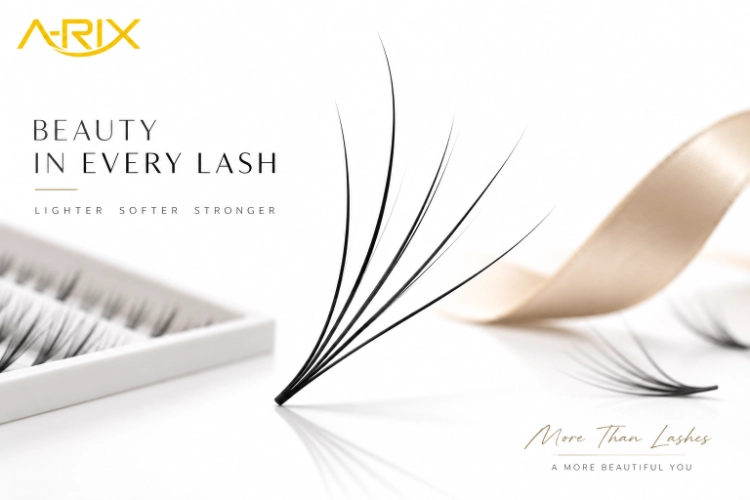
A few outer-corner clusters can create a soft lifted eye.
Short brown lashes can deliver a natural “no-makeup” effect.
Spiky clusters can create a manga-inspired style.
A wispy full strip can work for parties, weddings, or more glamorous makeup.
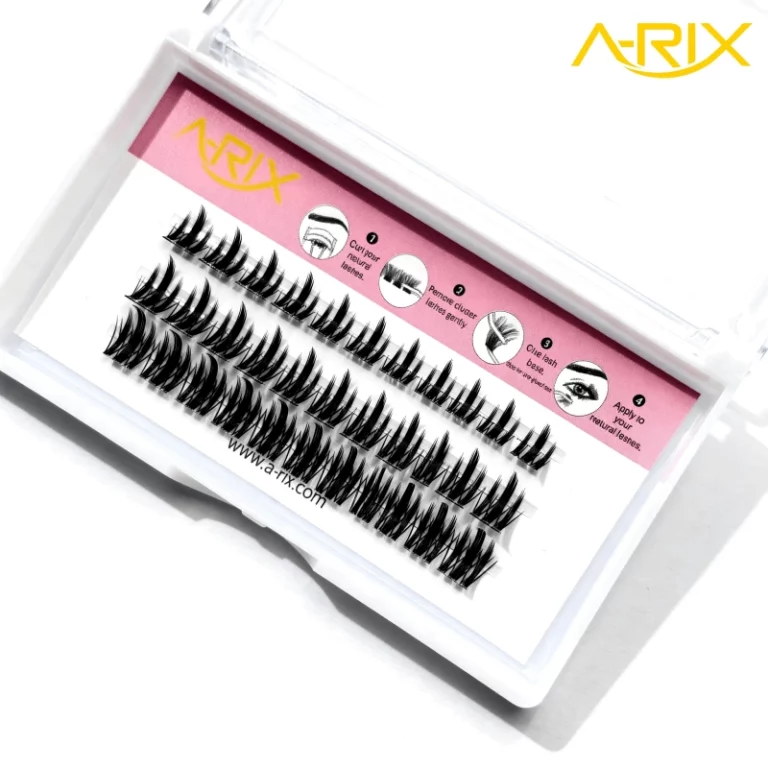
And pre-glued clusters can give consumers a quick transformation without traditional lash glue.
This flexibility is particularly relevant in 2026. Allure has highlighted renewed consumer interest in strip and cluster lashes, citing convenience, cost savings, and the ability to create looks suited to individual lifestyles. Makeup artists interviewed by the publication also pointed toward corner lashes, individual lashes, clusters, and easier pre-glued formats rather than one dominant dramatic lash style.
Current TikTok Shop assortments show the same fragmentation at product level. Brown clusters, manga lashes, natural wispy styles, cat-eye designs, mixed-length sets, self-adhesive clusters, and pre-glued formats are all being marketed simultaneously rather than one aesthetic replacing another.
This is exactly where the lash wardrobe idea becomes useful.
The opportunity is no longer only to sell consumers a lash. It is to give them a collection of looks.
What Is a Lash Wardrobe?
Think about how consumers already build wardrobes.
They do not normally own one outfit for every occasion. They have basics, workwear, weekend pieces, statement pieces, and special-event options.
A lash wardrobe applies the same logic to eye makeup.
Instead of asking:
“Which lash style are you?”
brands can start asking:
“Which lash style are you today?”
That small shift changes product development significantly.
A consumer could own a Natural Lash, Everyday Lash, Lifted Lash, Date Night Lash and Full Glam Lash without feeling that the products duplicate one another.
For brands, this creates opportunities to build collections around occasions and results, rather than relying only on technical product descriptions such as “10–14 mm C Curl Wispy Lash.”
That matters because consumers usually understand a desired result faster than they understand lash specifications.
“Monday Meeting.”
“Soft Weekend.”
“Date Night.”
“After Dark.”
These names immediately communicate a reason to use each lash.
Technical specifications can still appear on the packaging, but the emotional use case becomes the front-facing proposition.
Five Product and Packaging Concepts for a Lash Wardrobe
There is no single correct way to build a lash wardrobe. Depending on target price, distribution channel and lash format, brands could develop several different architectures:
- The Occasion Wardrobe — One Box, Multiple Moments
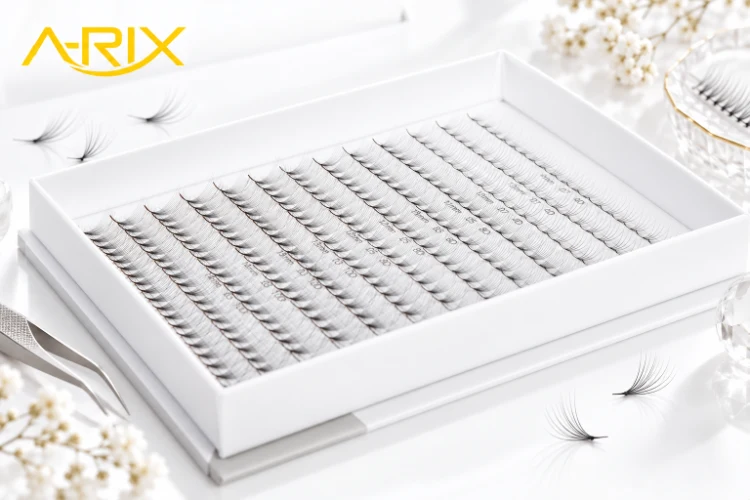
A larger box could contain three to five clearly differentiated lash styles, each placed in its own compartment. For example: Everyday Natural / Soft Lift / Date Night Wispy / Weekend Glam. Instead of presenting the lashes only by style number, the inner tray can organize them according to occasion. This format works particularly well for gifting, holiday launches, travel retail, TikTok demonstrations and new-customer discovery sets. A QR code could lead to short tutorials showing the difference between each look.
- The DIY Lash Mapping Wardrobe — Build Your Own Eye Shape
Cluster lashes make the wardrobe concept even more flexible because consumers do not need to choose a completed style in advance. A palette could contain multiple lengths—for example 8 mm, 10 mm, 12 mm, 14 mm and 16 mm—combined with several lash textures such as Natural, Wispy and Spiky. Instead of selling only “mixed length clusters,” the packaging could provide three or four ready-made lash maps: Natural Eye / Doll Eye / Cat Eye / Fox Eye. Consumers can copy a map first and eventually create their own. This turns the product from a box of lashes into a small styling system.
- The Color Wardrobe — Black Is No Longer the Only Default
A wardrobe can also be built around color rather than shape. A set might combine Soft Brown / Espresso / Brown-Black / Classic Blacklashes, allowing consumers to change intensity according to hair color, makeup style or occasion. Brown lash clusters and pre-glued brown formats are already visible across current social-commerce assortments, suggesting that color can become another meaningful product variable rather than a niche afterthought. A brand could extend this concept further with burgundy, navy or seasonal fashion shades while keeping natural brown tones as the commercial core.
- The Format Wardrobe — Different Application Methods in One Collection
Consumers do not necessarily need the same lash format every day. A brand could develop one visual family containing a half lash, 3/4 lash, full strip and DIY cluster versionof the same aesthetic. The fiber, curl and overall design language remain recognizable, but consumers choose the application format according to time and occasion. For example, a 3/4 lash may suit a quick everyday look, while the cluster version gives consumers more customization. This strategy also lets brands extend a successful lash design across multiple SKUs without losing collection consistency.
- The Press-On Lash Wardrobe — Multiple Looks With Less Application Friction
Pre-glued and self-adhesive lashes offer another interesting wardrobe structure. Current products increasingly position themselves around beginner friendliness, mixed lengths and quick application. A compact could therefore contain several pre-glued sections organized by effect—Natural / Lift / Wispy / Statement—plus an applicator. Instead of asking a beginner to master traditional adhesive before experimenting with styles, the product encourages immediate switching between looks.
Packaging Should Help Consumers Choose, Not Simply Hold the Lashes
One potential mistake with a lash wardrobe is adding too many styles without providing enough guidance.
More choice is not automatically more value.
If a consumer opens a tray containing 120 clusters in different lengths, curls and densities but does not understand the difference between them, the product can feel complicated rather than customizable.
This means packaging architecture becomes part of product design.
A successful lash wardrobe should visually answer three questions almost immediately:
What look does this create?
When would I wear it?
How do I apply it?
Color coding can help differentiate lash families.
For example, nude packaging could represent Natural, pink could represent Romantic, brown could represent Soft Definition and black or metallic packaging could represent Glam.
The inside lid can include simplified lash maps or eye-shape diagrams.
Compartments can be labeled by effect rather than just length.
A QR code can connect physical packaging with TikTok-style tutorials.
Brands can even design packaging so consumers can compare several finished eye looks before deciding which lash to apply.
The packaging therefore becomes a decision-making interface, not just a container.
Lash Wardrobes Could Also Solve a Value Problem
There is another reason multi-look sets are commercially interesting: consumers are paying closer attention to value.
McKinsey’s recent beauty research shows consumers increasingly scrutinizing what they receive for their money, while brands and retailers are experimenting with bundles, exclusive kits and differentiated pack architecture to demonstrate value without simply discounting individual products.
A lash wardrobe can make value more visible.
Instead of:
$12 for one lash style
the consumer may see:
4 Looks / 1 Collection / 20+ Wears
The perceived value proposition becomes easier to communicate.
This can be particularly effective for gifting, starter kits and social-commerce channels where the entire product proposition must often be understood within a few seconds of video.
However, brands should avoid simply increasing lash quantity.
A successful wardrobe needs meaningful differentiation between styles. If all four lashes look almost identical once applied, consumers may see the product as excessive packaging rather than additional value.
From Lash SKU to Lash System
For product developers, perhaps the most important change is to stop thinking only in individual SKUs.
A stronger approach is to build a lash system.
Imagine a brand launching a core collection with four identities:
Natural — Lifted — Wispy — Statement
Each identity could later expand into strip lashes, half lashes, clusters and pre-glued versions.
Then the brand could add brown variants.
After that, travel sizes or mini wardrobes.
Then refill packs.
Then limited-edition seasonal lash maps.
The initial lash wardrobe becomes the entry point into a larger product ecosystem.
This is particularly attractive for brands because the same core design language can support multiple price points and sales channels without requiring every launch to begin from zero.
A premium retailer might receive a rigid-box four-look wardrobe.
TikTok Shop might use a compact pre-glued discovery set.
A mass retailer could carry a simplified three-style multipack.
An online store could offer refill clusters after the customer purchases the original wardrobe kit.
The underlying lash designs remain connected, while packaging and assortment architecture change according to channel.
What Should Lash Manufacturers Develop Next?
For false eyelash manufacturers, the implication is also important.
OEM and ODM development should move beyond asking customers:
“What lash style do you need?”
A more useful conversation is:
Who is the target consumer?
What looks does she switch between?
How much application time does she accept?
Which occasions are currently missing from the brand’s range?
Can one successful lash concept be extended across different formats?
This creates much more room for product innovation.
A manufacturer could develop coordinated lash families based on the same visual identity, prepare several lash mapping systems, combine mixed colors and fibers, offer pre-glued variants, or design packaging that turns multiple SKUs into a clear consumer journey.
For brands, that means faster product development.
For manufacturers, it means moving from being a production supplier toward becoming a product development partner.
The Future May Not Be One Perfect Lash
Consumers are unlikely to stop looking for natural, comfortable and flattering lashes.
What may change is the expectation that one lash must satisfy every situation.
Beauty is becoming more flexible.
A Monday morning look does not need to resemble Saturday night.
A consumer can prefer subtle brown lashes today and dramatic black wispy lashes tomorrow without changing her personal aesthetic.
That is the opportunity behind the lash wardrobe.
The next generation of successful lash collections may not compete to become the consumer’s one favorite pair.
They may compete to become the box she opens every time she wants to decide:
Who do I want to be today?
For false eyelash brands, that creates a much larger product-development space—one built around choice, occasions, personalization and creativity.
And for manufacturers capable of combining lash design, materials, pre-glued technology, packaging development and flexible OEM/ODM production, the lash wardrobe could become much more than a trend.
It could become a new way to build the category.