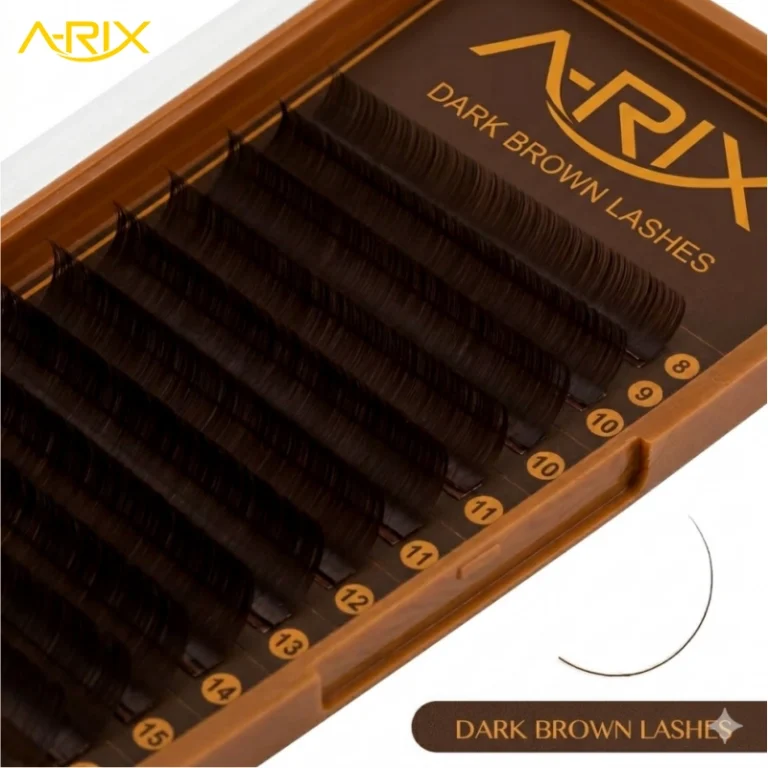
Beginner-Friendly False Eyelashes: Best Styles, Key Product Features, and What Brands Should Develop Next
For beauty brands, beginner users are no longer a side audience in the lash category. They are becoming one of the most important growth drivers. Public market data shows the false eyelashes category is still expanding globally, with Grand View Research estimating the market at USD 1.9 billion in 2024 and projecting it to reach USD 2.75 billion by 2030. Other industry trackers also point to continued momentum in 2025, while product-level analysis suggests that strip lashes still hold the largest product share, and that DIY, reusable, and lightweight formats are gaining traction.
At the same time, social and search behavior reveal a clear shift in what newer consumers want. Beginner lash shoppers are not only looking for “dramatic” results anymore. They are looking for products that are easy to apply, lightweight, natural-looking, comfortable, reusable, and safe around the eye area. Public Instagram and Facebook posts around beginner lash tutorials repeatedly emphasize phrases such as “easy to apply,” “natural doll eye,” “underlash,” “no visible band,” and “quick 5-minute application.” Beauty editorial coverage also highlights the growing appeal of underlash kits and cluster systems because they feel more customizable and more natural than traditional full-strip lashes.
For B2B brands, this creates a very clear product strategy: the best-selling lash portfolio for the next phase is not built only around glam. It is built around beginner confidence.
1. What beginner users really want
Across brand pages, media reviews, and public social conversations, beginner users consistently show five decision factors.
First, they want a natural appearance. Editorial testing and brand positioning both point to soft, wispy, “your lashes but better” styles as the easiest entry point. Even trend coverage in 2025 shows that natural-looking lash enhancement remains a major direction, despite the continued visibility of manga or spiky styles online.
Second, they want easy application. Beginners tend to avoid products that require advanced placement skills, heavy adhesive control, or complicated mapping. Public Instagram and Facebook beginner tutorials repeatedly focus on fast, simple placement and beginner-friendly handling.
Third, they want lightweight comfort. Lash clusters and underlash systems are being praised in both editorial reviews and brand messaging because they feel lighter and more customizable than thick strip lashes.
Fourth, they want invisible finishing. A visible lash band is one of the biggest beginner pain points, which is why underlash clusters and thin-band strip lashes are so attractive. Facebook discussion snippets specifically mention trying clusters when users “don’t like seeing a lash band,” while KISS Falscara and Lashify both promote underlash placement as a way to reduce visible bands.
Fifth, they want less risk and less irritation. Eye-area safety remains a purchase barrier. The FDA advises consumers to avoid contaminated eye cosmetics, keep tools clean, stop use if irritation occurs, and avoid use during infection. The American Academy of Ophthalmology also notes that lash glues may trigger allergic reactions and that poor application or hygiene can increase risk.
2. Best eyelash extension styles and lash types for beginners
When B2B buyers talk about “beginner eyelash extensions,” they usually mean two different markets: salon-applied professional extensions and at-home extension-look systems. For both, the most beginner-suitable direction is the same: soft, classic, and natural.
The best starting style for beginners is usually Classic or a very light Hybrid look. A classic set delivers one extension on one natural lash, which creates definition without overwhelming the eye. A light hybrid look adds some airy texture while still staying wearable. For first-time users, these styles are easier to accept than dense volume or dramatic mega-volume looks because they feel more natural in daily life and photograph well in both professional and casual settings. Eye-shape mapping guides also show that softer kitten-eye, natural, or doll-eye adaptations usually work better for mainstream consumers than extremely dramatic styling.
For lash type, beginners respond best to:
Lightweight synthetic fibers, especially PBT-based fibers, because they provide curl consistency, stability, and lower cost for scalable retail programs. Market research summaries indicate synthetic fibers held the largest raw-material share in 2025.
C or soft D curl, depending on eye shape and target market. Mapping guidance for beginners often recommends moderate curls for a flattering but not exaggerated lift.
Short to mid lengths, typically in the 8–12 mm range for starter products, because they are easier to wear, easier to blend, and less intimidating than long dramatic lengths. Mapping guides and beginner cluster content repeatedly favor these moderate lengths.
For brands, the commercial lesson is simple: the best beginner extension offer is not “maximum drama.” It is wearable enhancement with low learning friction.
3. Best strip lashes for beginners
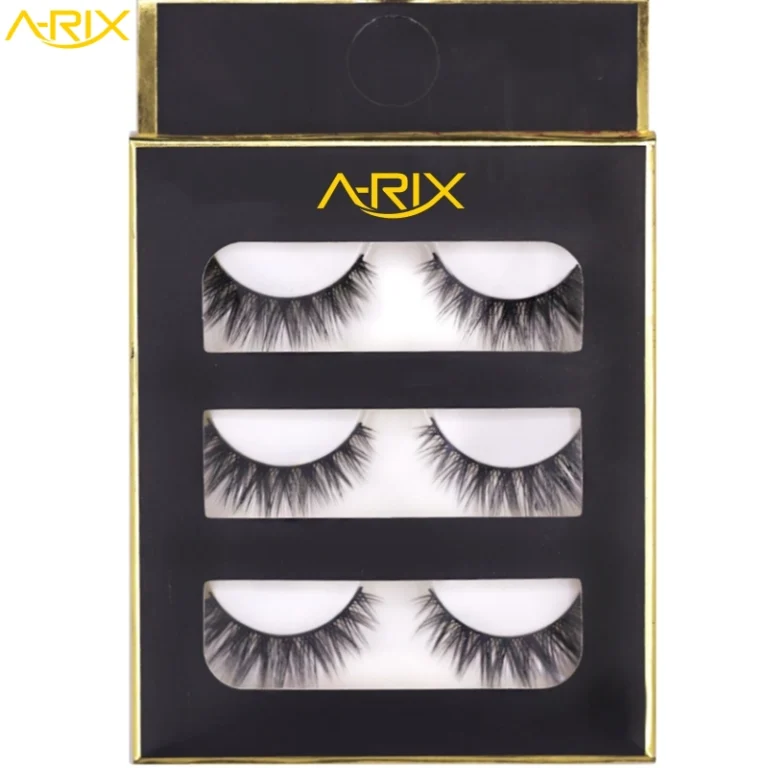
Strip lashes remain the largest and most familiar format in the category, which makes them essential for any brand entering beginner lash retail. But not every strip lash is beginner-friendly. The best beginner strip lash is typically thin-banded, lightweight, softly tapered, and natural or demi in shape. Market data indicates strip lashes still lead product share globally, which means this category remains commercially important even as clusters and underlash formats grow.
A strong reference example is Ardell Demi Wispies, which the brand itself describes as popular with both beginners and experienced users because of the natural yet softly voluminous look. On the retail side, Eylure Naturals No.031 is described as beginner-friendly due to its thin band, compact build, and subtle enhancement. These examples illustrate the characteristics that work best for entry-level users: not too long, not too dense, and easy to blend.
For product development, beginner strip lashes should ideally include:
- a flexible thin band
- a natural taper from inner to outer corner
- a clear or less noticeable band option
- lightweight fiber density
- short to medium length
- reusability with shape retention
- starter-friendly packaging with visual application guidance
Pre-glued or easy-glue formats can also reduce the barrier to trial. Eylure’s pre-glued offering is positioned around “no glue, no mess & no stress,” which reflects exactly how beginners think: less complexity equals higher conversion.
4. DIY cluster lashes: types and features beginners prefer
DIY cluster lashes are one of the most important growth formats in the current lash landscape because they bridge the gap between strip lashes and salon extensions. They offer more customization than strips, but less commitment and cost than professional extension services. Editorial beauty coverage, retail positioning, and public tutorial content all show strong beginner interest in this category.
The main beginner-friendly DIY cluster types include:
1) Natural wispy clusters
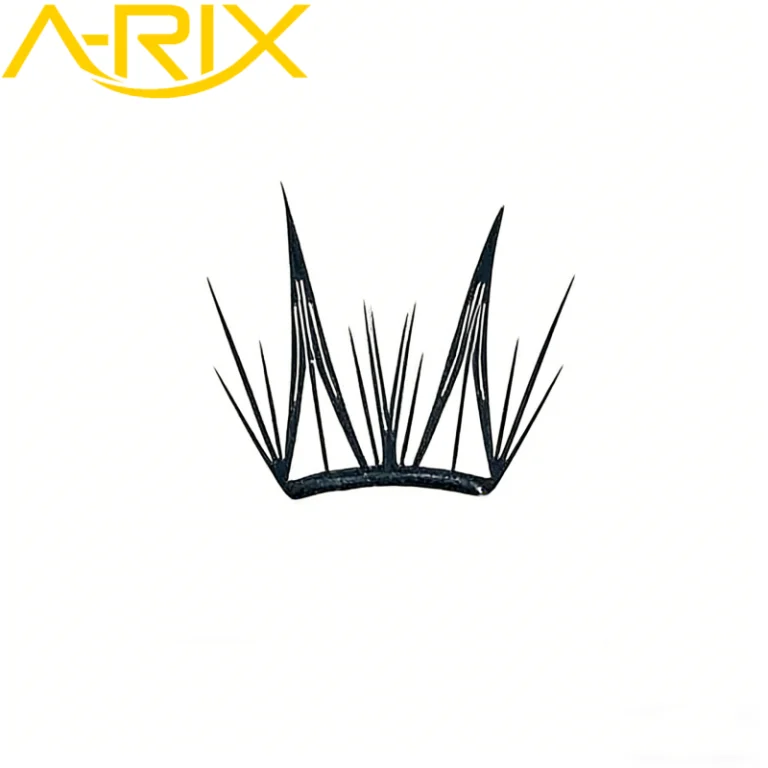
These use lighter density and soft, feathery ends. They are the safest starting point for most customers because they create an extension-like result without looking too dense. They are especially strong for everyday wear and first-purchase kits.
2) Underlash clusters
These are applied underneath the natural lashes, so the band is less visible. This is one of the biggest reasons the format appeals to beginners who dislike the look of traditional strip bands. KISS Falscara and Lashify both emphasize underlash placement and lightweight segmented construction.
3) Pre-mapped cluster kits
These kits simplify styling by giving users a ready sequence of lengths. Public Instagram tutorials often present beginner-friendly maps such as natural doll-eye or soft cat-eye with easy length progressions. Pre-mapping reduces decision fatigue and helps first-time users get symmetrical results faster.
4) Glueless or low-mess cluster systems
The easier the application system, the lower the beginner dropout rate. Social tutorials repeatedly emphasize speed and simplicity, while newer retail kits are increasingly built around starter tools, beginner-friendly applicators, and reduced adhesive mess.
For B2B brands, the takeaway is that DIY clusters should not be developed as “mini salon products only.” They should be designed as a guided beginner system.
5. What brands should pay attention to when developing lash products
A beginner-focused lash line succeeds when the product, packaging, and education system are built together.
The first priority is safety and compliance. Eye-area products require careful adhesive selection, raw material control, cleanliness, and clear instructions. FDA guidance stresses hygiene and proper use, while ophthalmology guidance warns that adhesives and poor application can cause irritation or allergic reactions. For brands, this means patch-test guidance, ingredient transparency, stability testing, batch traceability, and safer packaging claims are not optional; they are trust-building assets.
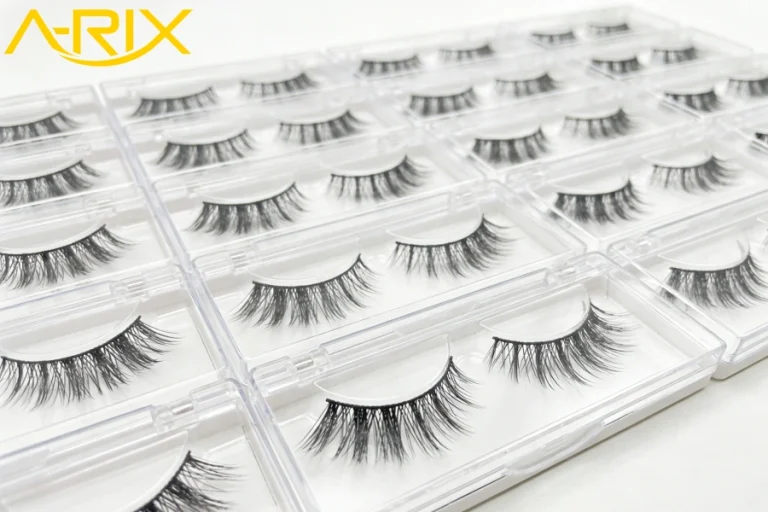
The second priority is ease of use. A product may look beautiful in the tray and still fail commercially if the first application experience is frustrating. Beginner lines should be tested for grip, bendability, placement visibility, band softness, adhesive drying window, and removal experience. Public tutorials show that consumers care deeply about “5-minute application,” “easy maneuvering,” and “not ripping off natural lashes.”
The third priority is natural-first assortments. Even if dramatic looks perform well on social media, beginner conversion is usually strongest in natural, wispy, everyday categories. This is consistent with media testing, social content, and broader minimalist beauty direction.
The fourth priority is education-ready packaging. Brands should include QR tutorials, eye-shape guidance, lash map diagrams, wear-time expectations, and clear removal instructions. In the beginner segment, packaging is part of the product.
The fifth priority is portfolio logic. A strong beginner assortment typically includes:
- one natural strip lash
- one demi or half lash
- one underlash starter kit
- one natural wispy cluster refill
- one sensitive-user adhesive or gentler starter option
- one curated accessory set
This creates a clear upgrade path from first trial to repeat purchase.
6. Why a 20-year professional eyelash factory has an advantage
For brands choosing a manufacturing partner, experience matters more in lashes than many buyers initially realize. A professional eyelash factory with 20 years of production experience offers advantages that are difficult to replace with a trading-only supplier.
First, an experienced factory usually has stronger control over fiber selection, curl consistency, band softness, and handcraft or semi-automatic process stability. These factors directly affect comfort, symmetry, and reusability, which are critical for beginner acceptance.
Second, a mature factory is better positioned to support OEM/ODM development for different beginner segments. That includes customizing lash maps, tray layouts, bundle combinations, mixed-length packs, natural versus glam density levels, and retail-ready packaging.
Third, a long-established manufacturer is more likely to have better quality assurance systems, including incoming material checks, batch records, production SOPs, and repeatability across large-volume orders. In a category used near the eye, consistency is a brand asset, not just a factory metric.
Fourth, experienced lash factories understand global market differences. North American and European beginner consumers may prefer natural, clean, reusable, cruelty-aware messaging, while some social-led markets may also demand trend-driven wispy, spiky, manga-inspired, or hybrid cluster options. A seasoned factory can help brands localize assortments instead of offering one generic line for all markets. Market reports also show ongoing growth in premium, eco-aware, and innovation-led segments, which increases the importance of flexible development capability.
Finally, a factory with deep category experience can help clients shorten the path from trend insight to product launch. In today’s lash business, speed matters, but speed without quality damages retention. The best manufacturing partners deliver both.
Conclusion
The beginner lash market is becoming one of the most important opportunities in false eyelashes. Public market research shows continued category growth, while social content and beauty retail signals make one thing very clear: new users want lashes that feel natural, lightweight, easy, safe, and confidence-building.
For brands, the winning strategy is to build a beginner-first lash architecture: classic or light hybrid extension looks, thin-band strip lashes, natural underlash clusters, and guided starter kits. And for execution, partnering with a professional eyelash factory with 20 years of experience provides the technical stability, customization depth, and quality consistency needed to turn trend signals into scalable products.
In short, the future of lashes is not only about dramatic looks. It is about making beauty easier to wear, easier to buy, and easier to trust.