A strip lash may look fine in its tray, yet the inner or outer corner starts lifting soon after application. One complaint may come from trimming, glue, or placement. The same complaint across many customers usually deserves a factory review. Band curve, stiffness, corner thickness, fiber weight, shaping, and packaging can all create repeat failures.
For a lash brand, lifting corners lead to refunds, replacement shipping, poor reviews, and extra stock checks. A-RIX produces strip lashes, DIY cluster lashes, lash extensions, packaging, and OEM/ODM projects. Its workflow includes sample approval, raw material checks, production inspection, final inspection, and after-sales follow-up, so buyers can correct a repeat defect before the next bulk order.
Why Do False Lash Corners Lift More Often than the Center?
The two ends have less contact with the eyelid and take more stress when the band bends. Small design errors therefore appear at the corners first.
Smaller Contact Area at the Lash Ends
The center has a longer bonding line. At either end, the usable area is short. A thick, blunt, or glue-heavy tip leaves less clean band surface for adhesive. Blinking then pulls against an already weak contact point.
Band Tension Against the Eye Curve
A strip lash tries to return to its preset curve. If that curve is too flat or too tight for the wearer, the ends push upward after application. More adhesive may hide the problem for a while, but it cannot remove constant band tension.
User Error or Product Defect?
Random lifting can come from poor trimming, too much glue, or placement far from the natural lash line. When the same outer corner lifts on one SKU for many users, check the product. When one batch works and the next does not, check shaping and consistency.
Which Factory Design Problems Turn Lifting into Returns?
Once the problem repeats, blaming application is not useful. You need to find the feature that produces the same complaint.
Bands That Are Too Thick or Stiff
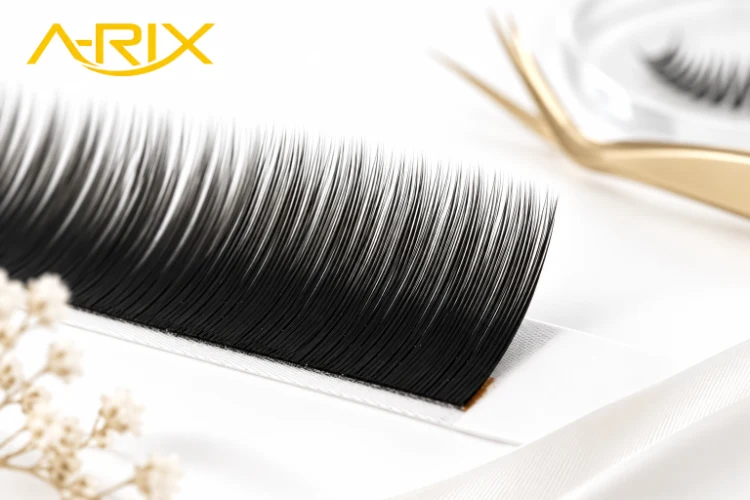
A thick band may feel strong, but it can resist the eye curve. Cotton bands are usually softer and lighter. Clear bands give more support and a less visible base. Neither is always better; width, end thickness, style weight, and target eye shape matter.
Poor Curve and Weight Balance
Cat-eye and foxy-eye styles carry longer fibers toward the outside. If length and density rise too fast, the outer end becomes heavy and begins to pull away.
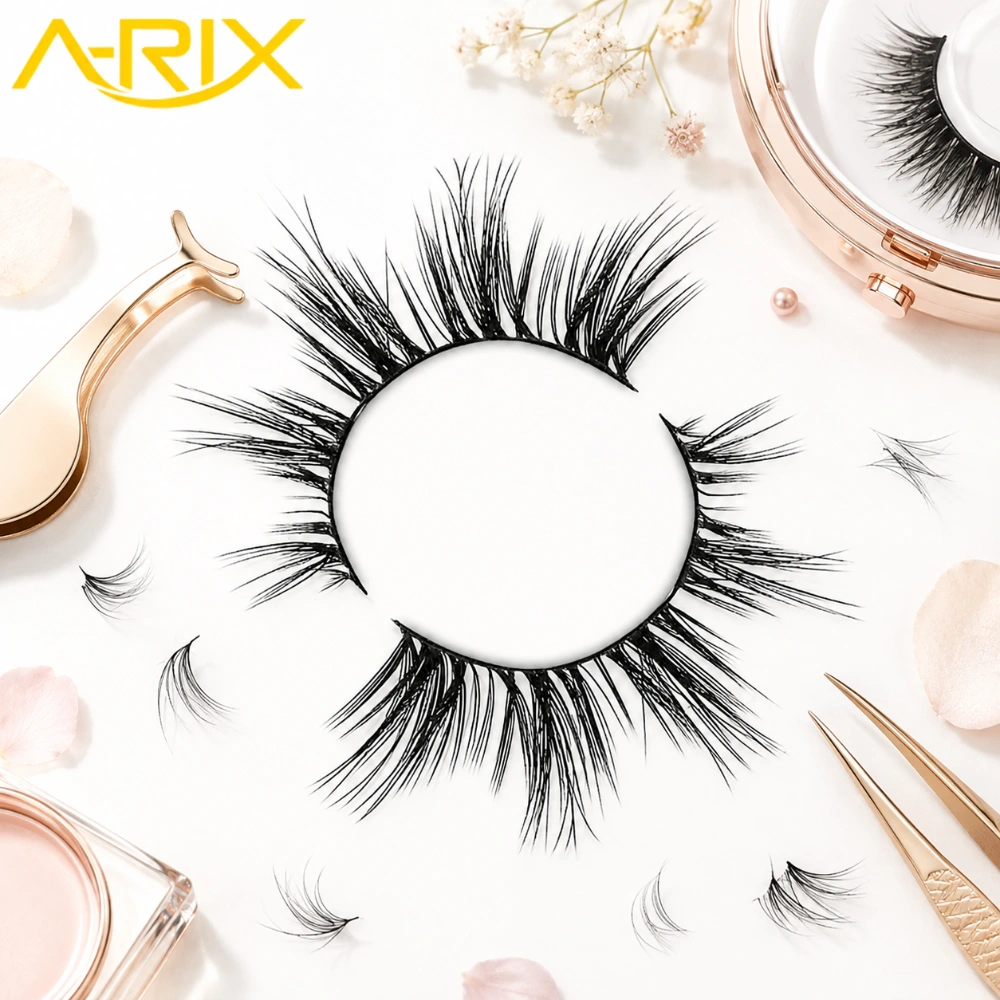
The Natural Lash Extension Effect Strip Lashes, 12mm & 13mm Wispy Cat Eye/Foxy Eye False Lashes, Thin Band for Natural Look, 7 Pairs provide a useful base for testing. They use lightweight PBT fibers, handmade layering, a soft bendable band, and black cotton or clear band options. Custom packaging and logos are also available.
Shape Loss During Storage and Shipping
A correct curve can be damaged after production. A flat tray may push the ends outward, while a tight fixing point may twist the band. Heat, stacking, and transport can make weak shape setting more obvious. Approve the lash after it has stayed in the final tray, not only after it leaves the mold.
How Do Thin-Band Strip Lashes Improve Corner Fit?
A thin band is not a complete cure, but it creates a better starting point. It bends more easily, puts less force on the adhesive, and gives the customer more room to trim and place the lash.
A Flexible Band Follows the Lash Line
The band should bend without folding and still support the fiber layout. A band that collapses is difficult to apply; a band that springs straight is difficult to keep down.
A-RIX offers a wider strip lash product range for buyers comparing band types and fiber layouts. For corner-lifting complaints, the selected thin-band wispy style is a sensible first sample because it is built around low weight and easy bending.
Lightweight PBT Fibers Reduce Outer-End Pull
Fiber weight matters most where the design grows longer. Lightweight PBT helps keep a cat-eye effect without loading the last section of the band.
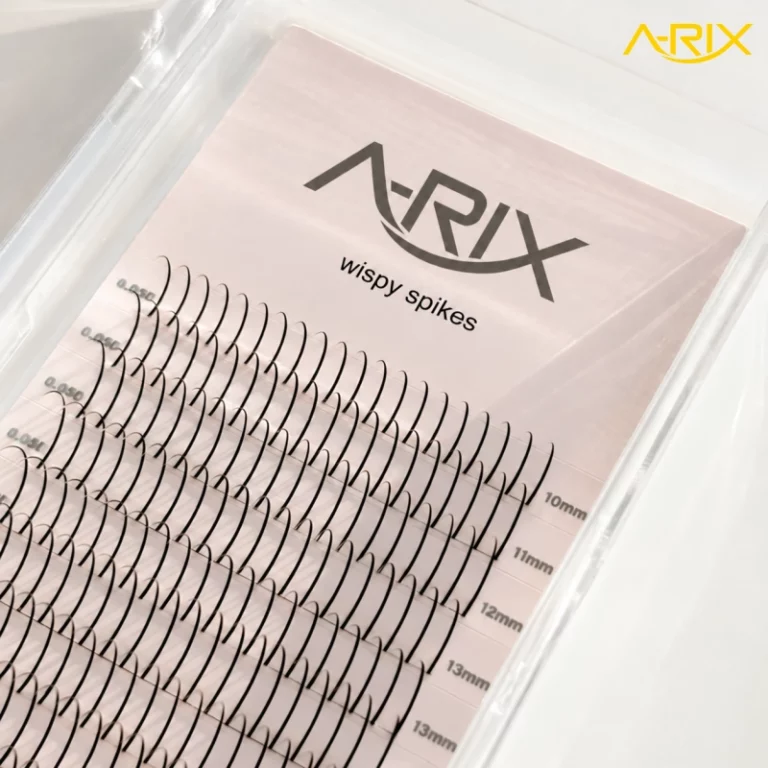
The product is handmade and offered in 0.05 mm, 0.07 mm, and 0.10 mm fiber thicknesses. An OEM buyer can compare softness, density, and outer-corner weight instead of treating every cat-eye style as the same.
Cotton and Clear Bands Serve Different Buyers
A black cotton band can add a soft eyeliner effect and usually bends easily. A clear band is less visible and gives firmer support. Test both with the intended user group.
The product’s soft and bendable thin band is available in both choices, so you can compare fit before fixing the final specification.
What Should Buyers Test Before a Bulk Order?
A tray photo cannot show band tension or wear stability. Sample approval should include real fit tests and clear pass-or-fail points.
Multi-Eye-Shape Wear Testing
Test the same sample on several eye shapes with the same adhesive and method. Record trimming needs, the first corner to lift, and wear time. The aim is not to prove one style fits everyone. It is to define who it fits and where another curve or length is needed.
Band Flex and Recovery Testing
Bend the band around a curved tool, hold it briefly, and release it. It should follow the curve without cracking, twisting, or snapping straight at once. Compare left and right lashes, then compare samples from different production stages.
Tray and Batch Consistency Checks
Approve the lash with the final tray and outer package. Check curve, corner thickness, fiber density, band position, and left-right match after storage and a simple transport simulation.
A-RIX applies quality checks during raw material handling, semi-finished production, shaping, packaging, and finished-product inspection. The inspection scope covers style, curl, length, durability, and packaging consistency.
How Can A-RIX Reduce Returns on Your Next Order?
The best fix starts with complaint data. Give the factory photos, return reasons, batch numbers, and customer service notes. “Make the band better” is vague. A clear failure pattern can be turned into a measurable specification.
Turn Complaints into an OEM Brief
State whether lifting happens inside, outside, or at both ends. Add target market, eye width, band type, fiber thickness, lash length, and expected wear time. Then request a thinner tip, changed curve, lower outer density, revised tray, or two sample versions.
Confirm Samples Before Mass Production
A-RIX supports material, style, curl, length, packaging, and logo changes through its OEM/ODM service. Its published process covers consultation, sample confirmation, production checks, shipping support, and after-sales follow-up.
Use the Natural Lash Extension Effect Strip Lashes as the base. Test both band options, check outer-corner weight, and approve the style only after it has spent time in the final tray.
Choose a Product That Solves the Business Problem
False lashes lifting at corners should not be accepted as normal when the complaint keeps returning. The cause can often be measured, corrected, and checked again.
A-RIX combines thin-band strip lash options, handmade production, PBT fiber choices, shaping control, packaging support, and OEM development. The selected 12mm and 13mm wispy cat-eye/foxy-eye product is a practical starting point for a natural extension effect without a heavy outer end. For samples, service details, specification changes, or a bulk quotation, contact the A-RIX team with your current product photos and return notes.
FAQ
Q1: Why do false lash corners lift even when the glue is strong?
A1: The band may be too stiff, too thick at the ends, or shaped to the wrong curve. Strong adhesive cannot fully cancel constant band tension.
Q2: Which band is better for reducing corner lifting?
A2: A soft cotton band often follows the eye curve more easily, while a clear band gives firmer support and a less visible finish. Test both before choosing.
Q3: Can heavy outer fibers cause outer-corner lifting?
A3: Yes. Long or dense outer fibers add leverage at the end. A lighter PBT layout and a gradual cat-eye pattern can reduce that pull.
Q4: What should buyers check before approving strip lash samples?
A4: Check wear on several eye shapes, band recovery, left-right consistency, corner thickness, fiber distribution, tray fit, and shape after storage.
Q5: Can A-RIX customize the product to reduce returns?
A5: Yes. A-RIX can adjust materials, thickness, style, curl, length, band choice, packaging, and logo. Approve revised samples before mass production.