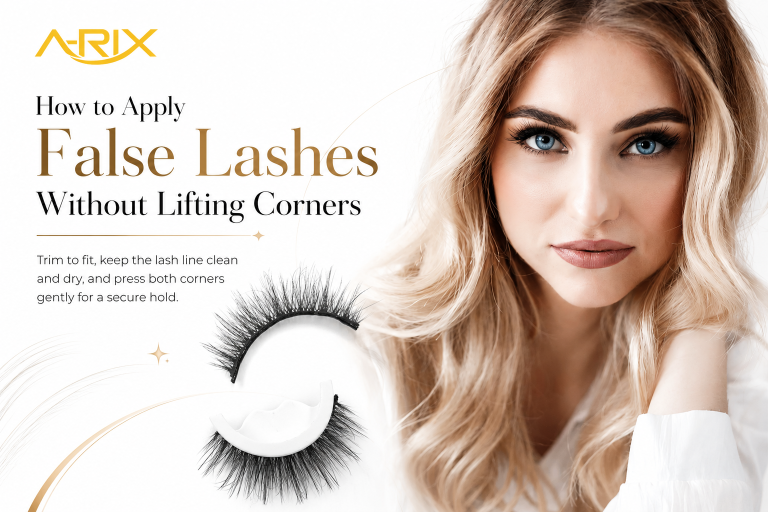
Pop into any beauty shop or scroll through your go-to online shopping spot—you’ll see it right away. False lashes aren’t just some fancy add-on for weddings or proms anymore. They’ve become a daily must-have for millions of people, that perfect little accessory that takes you from a chill, put-together daytime look to full-on red-carpet glitz in seconds.
Heading into 2026, the global false lash market is gearing up for some serious growth, and it’s all thanks to changing what shoppers want, cool new tech tweaks, and social media’s never-ending influence. We’re talking a market worth around $1.82 billion in 2025, set to hit $3.18 billion by 2033—that’s a steady 7.24% annual growth rate. But what’s really driving this boom? Let’s break down the trends that are shaking up the game.
- Demographic Shifts: From Zennials to Silver Beauty Consumers
For years, the false eyelash market has been synonymous with young women aged 18-35, and this demographic still holds sway—accounting for over 60% of global sales . Zennials, in particular, have been pivotal in transforming false lashes from a functional product into a “makeup expression symbol,” driven by their obsession with personalized looks and the viral power of platforms like TikTok and Instagram. A quick search of hashtags like #LashGoals or #WispyLashes reveals billions of views, with beauty influencers setting trends that range from subtle “natural wispies” to bold “anime lashes” . What’s notable, though, is that this trend is no longer confined to younger generations.
And get this—folks aged 45 and up are becoming a total surprise growth driver for the lash market. Take China, for example: back in 2018, only 3.7% of false lash buyers were in this age group, but by 2023, that number had skyrocketed to 12.4%.
What’s behind this shift? Simple—older adults are way more into beauty these days, and they’re hunting for products that boost their natural features without looking over-the-top or fake. Brands are totally picking up on this vibe, rolling out lashes that are lighter, comfier, and come in neutral tones—perfect for that subtle, elegant look this crowd loves.
And it doesn’t stop there. Guys are getting in on the lash action too, especially in South Korea and Western countries where gender-fluid beauty trends are smashing old-school stereotypes. This growing, more diverse customer base is expanding the market’s reach big time—and it’s pushing brands to create way more inclusive product lines for everyone.
- Regional Dynamics: Asia-Pacific Leads, While Emerging Markets Surge
Geographically, the market is dominated by two key regions: Asia-Pacific and North America. Asia-Pacific holds the largest share at approximately 41%, thanks to robust production hubs and a deeply ingrained beauty culture . China, in particular, is a powerhouse—both as a producer and consumer. Shandong Pingdu, known as the “global capital of false eyelashes,” accounts for 70% of the world’s market share, with over 5,000 related enterprises forming a comprehensive industrial cluster . In 2024, China’s false eyelash exports exceeded $2.3 billion, shipping to over 90 countries . Domestic consumption is equally strong, with first-tier cities like Shanghai and Beijing driving demand for high-end, customized lashes—products priced above $30 account for 38% of the market in East China .
North America, holding a 36% market share, is another key player . The U.S. market alone was valued at $0.51 billion in 2025 and is expected to reach $0.87 billion by 2033 . American consumers favor a mix of luxury mink lashes for special occasions and affordable synthetic options for daily use. What’s interesting is the rise of regional preferences: in the U.S., strip lashes dominate (65% of sales), while magnetic lashes are gaining traction among busy professionals seeking glue-free convenience . Meanwhile, emerging markets in Southeast Asia, Latin America, and the Middle East are experiencing explosive growth, driven by rising disposable incomes and increasing access to global beauty trends via social media. In these regions, price-sensitive consumers are fueling demand for budget-friendly synthetic lashes, prompting local brands to expand their reach through e-commerce and discount retail channels.
- Product Innovation: Convenience, Customization, and Tech Integration
Innovation is the lifeblood of the false eyelash market, with brands racing to solve consumer pain points—from difficult application to short product lifespans. One of the most significant trends is the rise of magnetic and reusable lashes. Accounting for 10% of the market in 2025, magnetic lashes are beloved for their glue-free design, which eliminates irritation and cuts down on application time . Reusable variants, meanwhile, are seeing adoption grow by 18% annually, as consumers seek more cost-effective and sustainable options . Brands like Qwewel have capitalized on this trend, with their magnetic lash sets becoming top sellers on Amazon .
Customization is another game-changer. No longer satisfied with one-size-fits-all styles, consumers are demanding lashes tailored to their eye shape, hair color, and personal style. In Shanghai, “lash customization workshops” have popped up, offering services like eye shape measurements and custom lash curvature . Technological advancements are making this trend more accessible: 3D printing allows for precision shaping with a tolerance of 0.01mm, while AI design systems enable brands to launch up to 150 new custom styles per month . AR virtual try-on tools are also gaining popularity, boosting online conversion rates by 28% for high-end lash brands . These tools let consumers visualize how different styles will look before purchasing, addressing a major barrier to online sales.
4. Sustainability: The Rise of Eco-Friendly and Vegan Lashes
Sustainability isn’t just a buzzword anymore—it’s a must-have for today’s beauty shoppers. And that’s why the false lash industry is going green in a big way.
Old-school synthetic lashes are usually made from plastics that never break down, and mink lashes have gotten tons of flak for animal welfare issues. But these days, 28% of sales in the fancy lash segment come from vegan, eco-friendly options. Brands are ditching the bad stuff and switching to smarter materials—like recyclable PBT fibers, silk protein, and biodegradable PLA. The best part? These materials aren’t just good for the planet—they’re way comfier too. Take PBT fibers, for example—they’re lightweight and breathable, so you won’t feel like you’ve got heavy lashes weighing your lids down all day.
Policies are also pushing this green shift forward. The EU’s Sustainable and Circular Economy Action Plan and China’s Green Cosmetics Raw Material Standards are forcing brands to pick renewable materials over the old, harmful ones. Experts even predict that by 2030, biodegradable lashes will snag 25% of the entire market.
But it’s not just about the lashes themselves—brands are also stepping up their packaging game. Think recycled cardboard boxes and soy-based inks instead of plastic wrapping and chemical-heavy prints. And here’s the kicker: this isn’t just a marketing trick to make brands look good. It’s a direct response to what shoppers want. A 2025 survey found that 63% of beauty buyers are totally willing to pay extra for products from brands that are transparent about their eco-friendly practices.
- Channel Transformation: E-Commerce Takes Center Stage
The way consumers buy false lashes is changing dramatically, with e-commerce becoming the dominant channel. Today, online sales account for 50% of personal false lash purchases, up from less than 30% a decade ago . This shift is driven by the convenience of online shopping, the abundance of product reviews, and the influence of social media marketing. In China, Hangzhou’s live-streaming e-commerce ecosystem has helped drive annual growth of 45% in online false lash sales , with influencers demonstrating application techniques and showcasing trending styles in real time.
Cross-border e-commerce is also unlocking huge opportunities for lash brands. Take Chinese manufacturers, for example—they’re using platforms like Amazon and Shopify to sell to customers all over the world, and cross-border sales make up a whopping 65% of global online false lash buys. At the same time, direct-to-consumer (DTC) brands are cutting out the middleman (goodbye, traditional retailers!) to build real connections with shoppers. They’re offering personalized recommendations and even subscription services to keep customers coming back. And hey, brick-and-mortar stores aren’t going anywhere—they’re just switching things up. A lot of beauty shops now let you get your lashes applied in-store or test out different styles right there, which gives you that hands-on feel you can’t get from online shopping. In Chengdu, China, nearly three-quarters of people who try lashes in-store end up buying them—that’s 73%, way higher than the national average. Goes to show, physical shops still matter a ton.
Challenges and Opportunities Ahead
The false lash market is booming, sure—but it’s not without its hurdles. Allergies are a big one—30% of consumers say lash glue irritates their skin. Brands are stepping up with hypoallergenic formulas, but regulations are getting tighter too. China’s 2025 Cosmetics Classification Rules now label false lashes as “special cosmetics,” which means stricter safety checks are mandatory. Counterfeiting is another headache—fake lashes clog up 22% of online listings. Not only does this hurt legitimate brands’ reputations, it’s also a safety risk for shoppers who end up with low-quality, untested products.
But here’s the thing: the opportunities are way bigger than the challenges. AI and AR tech will keep making the shopping experience better—think virtual try-ons that let you see how lashes look before you buy. Plus, more and more people want sustainable, customized lashes, which will push brands to innovate even harder. As emerging markets get more into false lashes and new groups of shoppers jump on board, the market is only going to grow more. For brands that are willing to adapt—focusing on sustainability, convenience, and personalization—the future of the lash industry looks pretty amazing.
To wrap it up, false lashes aren’t just about making your eyes look bigger anymore. They’re about letting people express themselves, doing right by the planet, and using tech to give shoppers exactly what they want. As we head into 2026 and beyond, the brands that win will be the ones that listen to their customers, aren’t afraid to try new things, and stay one step ahead of the trends that make this industry so dynamic.