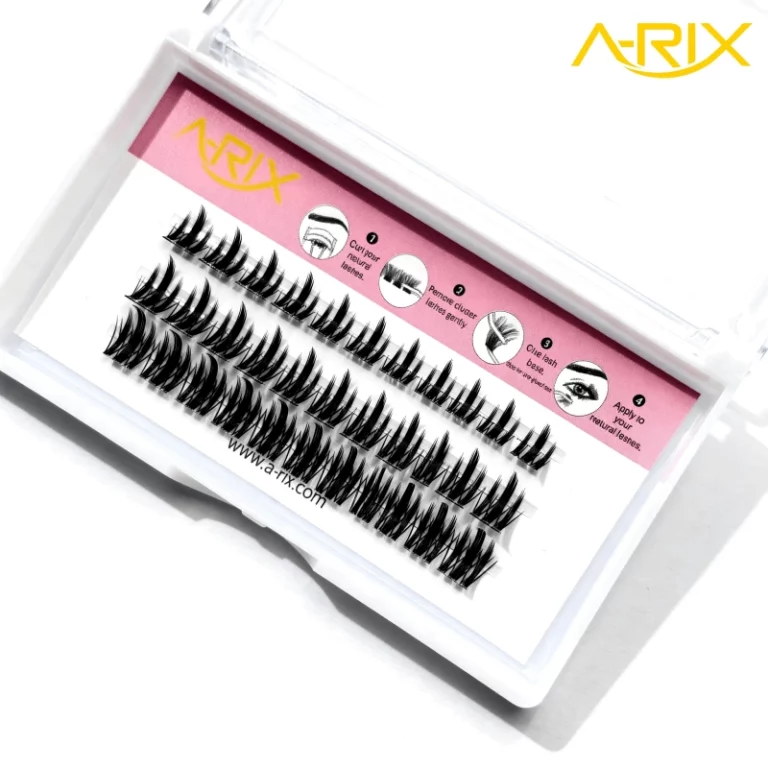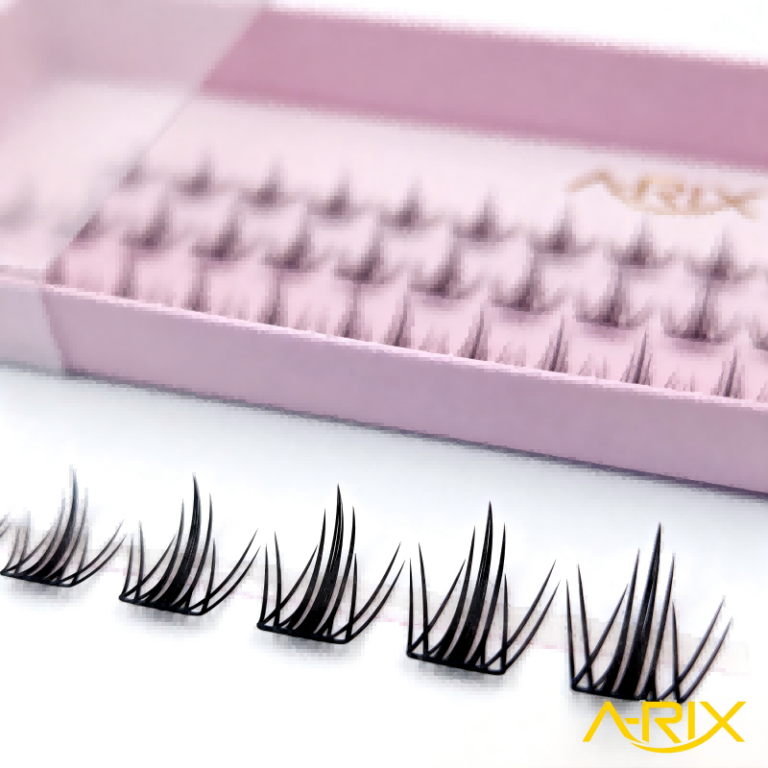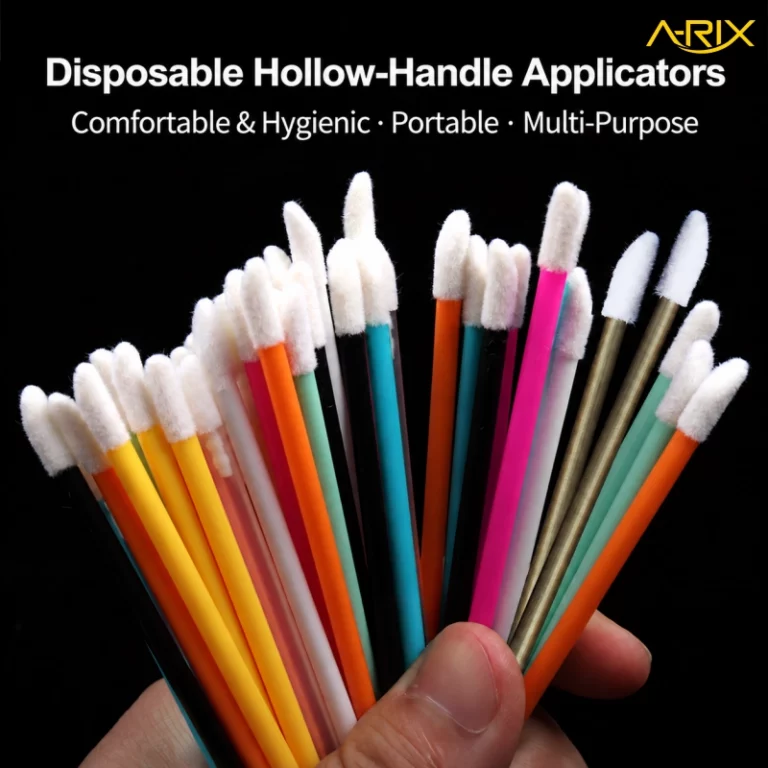
The global beauty industry is seeing a huge increase in demand for eyelash extensions. More and more consumers want long-lasting, customizable lash products that make their natural beauty stand out. In the booming market, private label manufacturing has become a game-changing strategy for beauty brands that want to stay competitive. Unlike white-label products (which don’t let you stand out much), private label lets you create eyelash extension lines that fit your brand’s unique style and what your customers want. But getting into private label isn’t just about wanting to launch a product—you need to really understand the market, how to work with manufacturers, how to keep quality high, and how to position your brand. In this blog, we’ll break down the key things every beauty brand needs to know to succeed with private label eyelash extensions.
- The Market Opportunity: Why Private Label Eyelash Extensions Are Worth It
Let’s start with the numbers: The global market for cosmetics contract manufacturing and private label was worth about $28.53 billion in 2024. It’s expected to grow at a 4.8% annual rate and reach $39.22 billion by 2031. Within this big market, eyelash extensions are a fast-growing part—driven by changing consumer tastes and more people shopping online. For example, in the emerging markets like Southeast Asia, beauty products including eyelash extensions have grown year-over-year on cross-border e-commerce sites. Instead of starting production from scratch, working with a private label manufacturer lets you launch new products in weeks, not months. That’s a big advantage in an industry where consumer preferences change quickly. Plus, private label gives you higher profit margins than selling other brands’ products. You cut out the middleman and have more control over how you price your products.
2. Choosing the Right Manufacturer: It Makes or Breaks Your Success
Your private label lash brand’s success totally hinges on which manufacturer you pick. Don’t hurry this decision—pick the wrong one, and you’ll end up with shoddy quality, late shipments, and a damaged brand reputation. When you’re sizing up potential partners, keep these key points in mind:
Specialized Experience
Look for a manufacturer that have a solid history making eyelash extensions specifically. Lash products need careful work—from picking materials (like mink, synthetic, or silk) to making the glue and lash clusters. A manufacturer with experience here will nail the little details that make or break the product: how long the curl stays, how durable the lashes are, and how comfy they feel. Ask to see their past work or get samples to check the quality for yourself.
Production Capacity and Flexibility
Make sure the manufacturer can meet your needs now and down the line. If you’re a new brand, you might only need small batches at first. Established brands might need big production runs. A good, flexible partner can handle both. They should also let you customize things—like lash length, curl, thickness, and packaging. For example, manufacturers in Qingdao, China (known as the “Eyelash Capital of China”), make 70% of the world’s false lashes. They offer tons of custom options, from colored lashes to split designs.
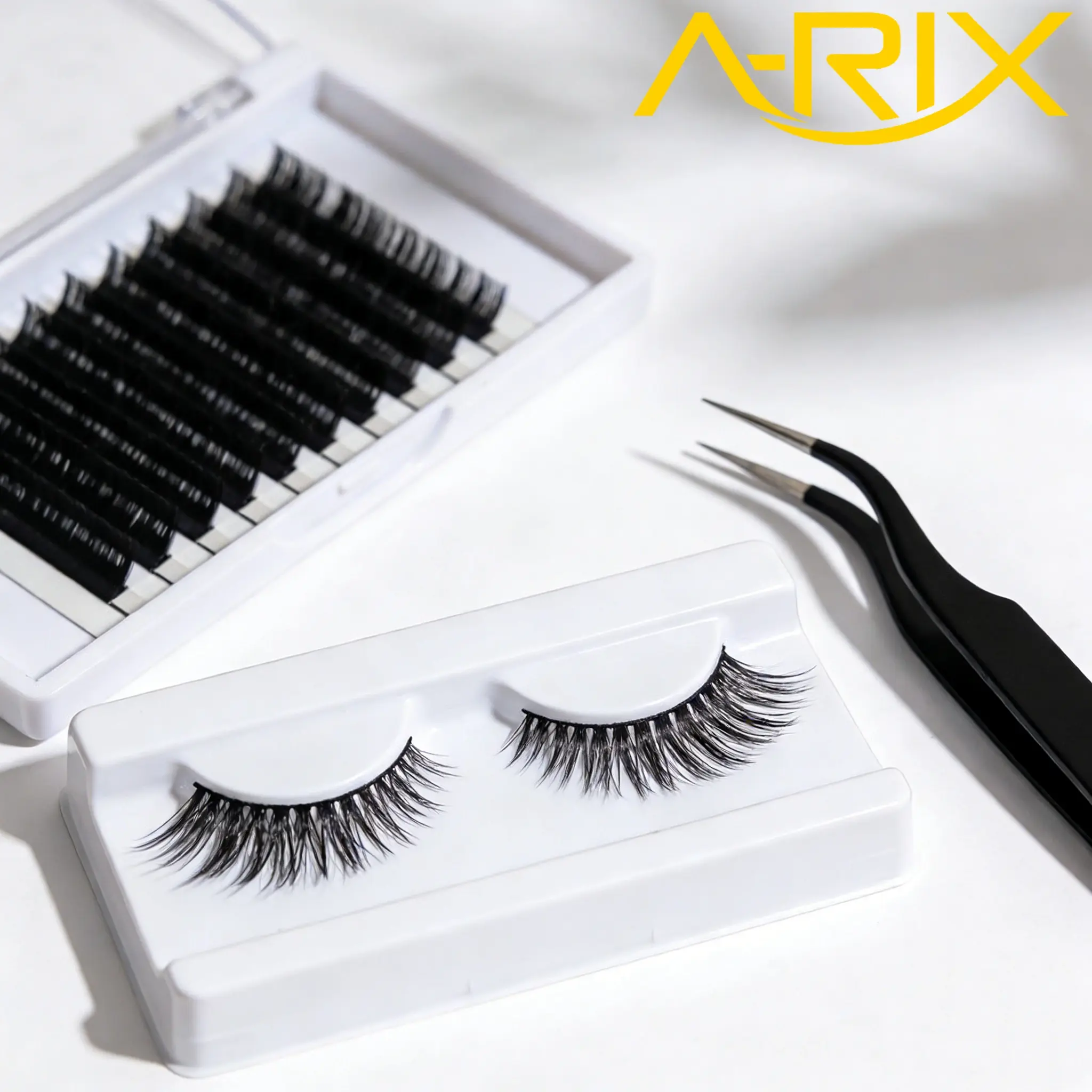
Quality Control and Certifications
Quality isn’t negotiable in beauty—especially for products that touch your eyes (which are super sensitive).
Clear Communication & Contracts: No Mix-Ups, Just Smooth Sailing
Good communication is everything if you want to avoid messy mix-ups. Your manufacturer should hit you back fast when you have questions, and keep you in the loop on production progress regularly—not just ghost you for weeks!
This contract isn’t just paperwork—it has both your backs. If something goes wrong down the line, everyone knows their responsibilities, and no one can dodge accountability. Super simple, but total peace of mind!
3. Make Quality Control a Priority: Protect Your Brand
Let’s be real — even if you arre working with a solid manufacturer, your brand still needs to own quality control.
Test Samples Thoroughly
Before placing a big order, ask your manufacturer for a few samples first. Test them out properly: see how long they last with daily wear, if they feel comfy, and if the curl stays put. Some brands even ask for samples under a different name— just to make sure the manufacturer isn’t sending a one-time “perfect” sample and cutting corners later.
Do Regular Factory Checks
If you can swing it, visit the factory in person. If not, hire a third-party checker to look at the production setup. This way, you can make sure they’re following the quality rules you agreed on—and treating workers fairly, too.
Set Rules for Faulty Products
Work with the manufacturer to figure out what counts as a bad product and how to fix it. For example, put it in the contract that they’ll replace bad batches for free or give you a refund. Having these rules down keeps your supply chain running smoothly and keeps customers happy.
4. Make Your Private Label Line Stand Out: Shine in a Crowded Market
The lash market is getting more competitive—everyone’s doing private label these days. To stand out, you can’t just slap your brand name on generic lashes. Here are easy, effective ways to make your products unique:
Tap into Niche Trends
More and more people want beauty products that feel personal or align with their values. Try launching specialized lash lines for specific groups! For example:
Vegan lashes made from plant-based fibers
Cruelty-free lashes certified by Leaping Bunny or PETA
“Natural look” lashes for folks who want subtle enhancement (no over-the-top drama)Brands like Lilly Lashes killed it by targeting the “glam” niche—their 3D lashes are total celeb faves, and that’s their vibe!
Offer Customization and Bundles
Let customers tweak their lashes: let them pick curl types (C-curl, D-curl) or lengths. Or create bundles with lash glue, tweezers, or remover. Bundles give customers more bang for their buck—and they’ll spend more per order, which is a win-win.
5. Marketing and Distribution: Sell Your Private Label Line
Once your private label lashes are ready, you need a plan to get them in front of customers. Here are tips to boost sales:
Leverage Social Media and KOls
Social media is everything for beauty brands, especially lashes, which are so visual. TikTok and Instagram are perfect for showing before/afters, tutorial videos, and customer photos. For example, Glamnetic grew their TikTok following to 180k by working with Gen Z influencers who showed how easy their lashes are to apply.
Adopt a DTC Model
Selling direct-to-consumer (DTC) lets you build a direct relationship with customers. You get feedback fast, and you control your brand story. Launch an e-commerce website, or sell on platforms like Amazon, Temu, or Shein—lots of lash brands crush it here. Most successful brands mix DTC with selling to other retailers to reach more people.
Focus on Customer Education
Lashes need proper application and care to last—and to avoid irritation. Share helpful content on your website and social media: how-to apply guides, care tips, and FAQs. This helps customers get the most out of your products, and it makes your brand look like a lash expert they can trust.
6. Stay Ahead: Keep Up with Industry Trends
The beauty game moves fast—if you don’t keep up, you’ll get left in the dust. To make sure your private label lashes stay relevant, you’ve got to stay on top of the latest trends and tech:
Technological Advancements
Automation makes production quicker and quality way more consistent. Team up with your manufacturer to test out new materials—like lightweight synthetic fibers that look and feel just like real mink, or gentle glue that’s perfect for sensitive eyes.
Global Market Expansion
Emerging markets like Southeast Asia, the Middle East, and Africa are blowing up right now. Do your homework first—figure out what shoppers there actually want! For example, buyers in Southeast Asia care most about getting a good deal and solid basic quality. Meanwhile, Middle Eastern consumers go crazy for bold, dramatic lash styles. Tweak your products to fit these tastes, and you’ll win them over.
Regulatory Compliance
Beauty industry rules are getting tighter and tighter these days. Make sure your products check all the boxes for local and international standards—this means proper labeling (list all ingredients and where the product is made) and all the necessary safety certifications.
Final Thoughts
Private label lashes are a flexible, budget-friendly way to jump into a super fast-growing market and build a brand. But be real—success doesn’t happen over night. You need to plan things carefully, pick the right manufacturer, nail your quality control, make your products stand out from the crowd, and market them well.
Please remember: Success isn’t just about launching a product. It is about building a brand that customers actua1ly trust and feel connected to.