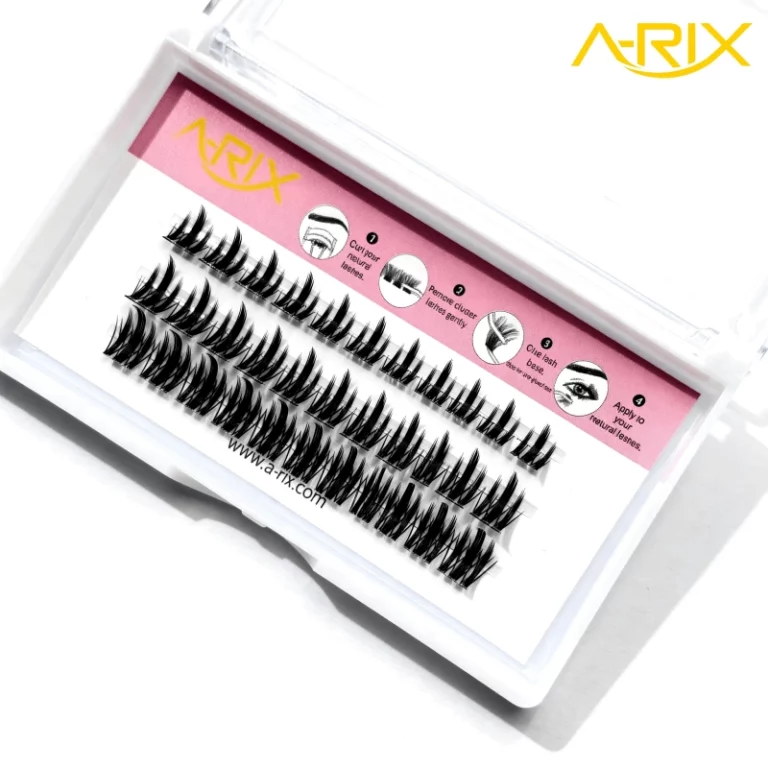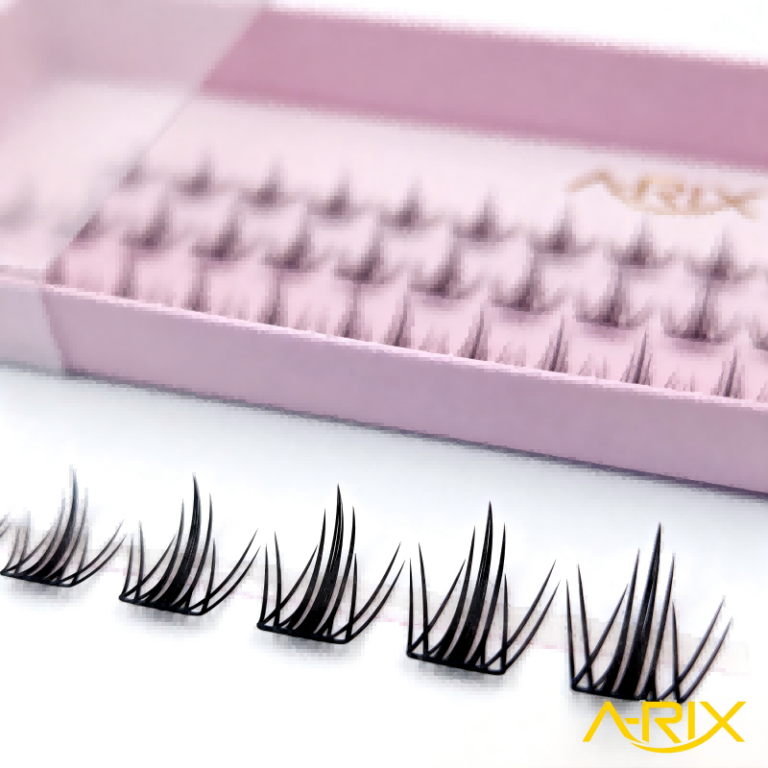
If you love lash extensions, you’ve probably wondered how these soft, fluffy, perfect lashes come to life. They look simple and lightweight on your eyes, but the making process is actually super detailed. Every pretty lash tray you buy goes through dozens of steps, from tiny raw material pellets to the finished products used in lash salons. Today, I’m gonna break down the whole production process in easy words. No fancy industry jargon, just simple facts every lash lover should know.
- The Core Raw Materials of Lash Extensions
Before talking about production, let’s start with materials. Most high-quality eyelash extensions on the market are not real animal fur anymore. Almost all professional salon lashes are made of synthetic fiber, and the main material is PBT polyester. You don’t need to remember the complex chemical name, just know it’s soft, flexible, and super close to real human lashes.
1.1 Why PBT Fiber Is the Top Choice
Many people ask why brands don’t use real mink fur all the time. The answer is simple. Real mink lashes are easy to lose curl, get messy, and even cause allergies for some people. PBT fiber fixes all these problems. It holds curl really well even after washing, feels super soft on the eyes, and looks natural with a matte finish. It’s also lightweight, so it won’t weigh down your eyelids after grafting. That’s why 90% of lash extensions are made with this material now.
1.2 Raw Material Screening Process
Not all PBT materials can be used to make lashes. Factories have strict checks first. Workers and machines test the fiber’s thickness, softness, color and elasticity. Bad materials that are too stiff, too shiny, or easy to break will be thrown away directly. Only qualified raw pellets move on to the next production step. This first check makes sure the final lashes are safe and comfortable to use.
- Early Production: Turning Pellets Into Fine Fibers
The original PBT material is just small hard pellets, nothing like soft lashes at all. The second stage is turning these hard pellets into thin, smooth lash fibers. This is the most basic and important step, which decides the texture of the final lashes.
2.1 High-Temperature Melting and Wire Drawing
First, factories heat the PBT pellets to a fixed high temperature to melt them into liquid glue-like texture. Then professional machines squeeze the liquid through tiny holes to draw out long, thin fiber lines. The size of the holes controls the lash thickness, from super thin 0.02mm fine lashes to thick 0.25mm dramatic lashes. All fibers are made evenly to avoid uneven thickness.
2.2 Cooling and Fiber Shaping
The newly drawn fibers are hot and soft. They go through a fast cooling system right away to fix their shape. After cooling, the fibers become smooth, straight and tough. Workers will sort out deformed or broken fibers by hand here. This step makes sure all follow-up products have a uniform texture.
- Core Craft: Curling and Sizing
Straight fibers are just raw threads. The steps below turn them into styled lash extensions with different curls and lengths. This is what makes classic, volume and mega volume lashes different from each other.
3.1 Heat Setting for Different Curls
You must know lash curls like J, B, C, D and L curl. All these shapes are fixed by heat treatment. Workers wrap the straight fibers on different size of curved rods. Smaller rods make tighter curls like D curl, and bigger rods make gentle curls like J curl. Then the fibers are put in constant temperature machines for heat setting. After this step, the curl is permanent. It won’t straighten easily with water or daily rubbing.
3.2 Precision Cutting and Length Classification
After curling, the long fiber bundles are cut into standard lash lengths, from 6mm short lashes to 20mm long lashes. Machines control the cutting error within 0.5mm to keep every lash in one tray the exact right length. Then workers classify all lashes by thickness and length. Mixed unqualified lengths are picked out one by one manually.
- Finishing and Assembly Process
After sizing and curling, the lashes are semi-finished products. They still need finishing treatment and tray assembly to become the complete products we buy.
4.1 Surface Matte Treatment
Raw PBT fibers are a little shiny, which looks fake on eyes. So factories do matte treatment for premium lashes. This removes the plastic shine and makes lashes look exactly like real human eyelashes. Some high-end styles also do ultra-matte or soft black treatment to fit different skin tones and eye looks.
4.2 Manual Arrangement and Tray Sticking
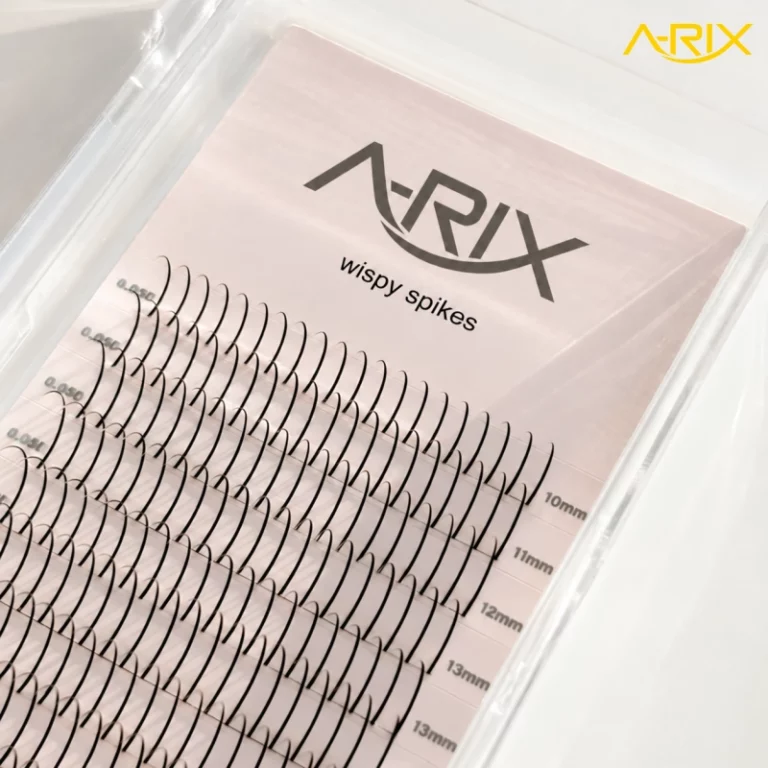
This is the most time-consuming step. Most high-quality lash trays are arranged by hand. Workers neatly line up lash fibers one by one, fix the lash roots on special adhesive tape, and arrange them in order of length. For volume fan lashes, workers manually make uniform fans to ensure every fan is full and symmetrical. Machine-made lashes are faster, but hand-arranged ones are neater and more delicate.
- Strict Quality Inspection and Packaging
No lash products can leave the factory without full inspection. Every batch goes through multiple checks to avoid defective goods.
5.1 Multi-Round Defect Checking
Workers check every detail carefully. They remove broken lashes, bent lashes, uneven curls and messy roots. They also test the curl retention and softness. If a lash is too stiff or easy to fall off, it will be eliminated directly. Some factories also do sterilization treatment here to make sure lashes are clean and safe for eye use.
5.2 Final Packaging and Sealing
After passing inspection, qualified lash trays are cleaned and packed into independent packaging. Each box is labeled with clear information: curl type, thickness, length and production date. Good packaging can protect lashes from dust and keep their shape during transportation. Finally, products are boxed and shipped to lash salons and stores all over the world.
- Final Thoughts
Eyelash extensions look small and simple, but their production is really rigorous. From PBT raw material selection, fiber drawing, heat curling, manual arrangement to final inspection, every step affects the lash’s softness, durability and comfort. Next time you do lash grafting or buy lash trays, you’ll know exactly what makes a pair of good lash extensions. It’s not just luck, but tons of detailed handwork and precise machine craft.