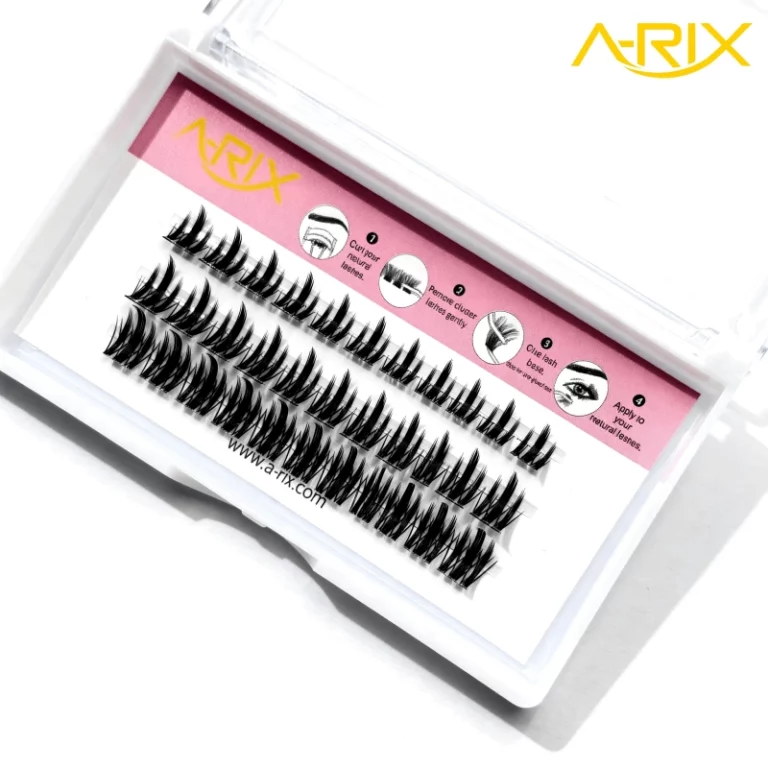
A sample tray can look soft and neat, yet still create trouble after launch. Customers may report poking at the inner corner, stiff roots, shedding fibers, or discomfort after several hours. For a lash brand, these complaints mean refunds, poor reviews, repeat shipping, and slow-moving stock.
You need a test process that turns “comfortable” into clear checks. Fiber weight, base thickness, edge finish, curl consistency, removal, packaging, and batch control all matter. A product such as laser-engineered DIY cluster lashes is useful because its structure gives you specific points to inspect rather than vague comfort claims.
Why Do Sensitive-Eye Complaints Become Expensive after Bulk Ordering?
Sensitive-eye problems often appear only after a product reaches many users. A proper buying standard must account for different eye shapes and sensitivity levels before you approve production.
Turn Customer Feedback into Test Items
Words such as “scratchy,” “heavy,” or “hard to wear” are too broad for factory follow-up. Break them into base thickness, root smoothness, cluster weight, fiber stiffness, shedding rate, and curl recovery. Your team can then discuss a failed item instead of saying the product does not feel right.
Separate Lash Problems from Adhesive Problems
Watery eyes may come from the adhesive, the lash structure, or both. Test the lash segments and adhesive separately. Use the same lash with different approved adhesives, then the same adhesive with different lash samples. This prevents a good product from being rejected for the wrong reason.
Set Rejection Limits before Sampling
List defects that cause immediate rejection, including sharp roots, glue lumps, loose fibers, broken tips, uneven bases, and large curl differences. You can also set acceptable tolerances for small length or density changes. Written limits reduce personal judgment and later disputes.
Which Features Matter Most in Cluster Lashes for Sensitive Eyes?
The best lash clusters for sensitive eyes should not be judged by a soft-looking photo. The base sits closest to the lash line, so it deserves as much attention as the finished style.
Check Fiber Weight and Surface Finish
Compare equal-length samples by weight where possible. Check whether fibers are smooth, evenly tapered, and free from rough ends. PET can provide stable shape and repeatable structure, but the final feel still depends on thickness, layout, and finishing.
Measure Base Thickness and Flexibility
Use a thickness gauge or microscope at the root. Bend the base gently and watch how it returns. It should flex without cracking or holding a sharp fold. The selected product uses a 0.035 mm ultra-thin base, though edge shape must still be checked on real samples.
Inspect Root Shape and Cluster Consistency
Look for clean edges, even root width, balanced spacing, and similar fiber angles across the tray. A rounded or flat root can reduce hard contact points. Check several trays because your real concern is whether lash clusters for sensitive eyes stay consistent through normal production.
How Can You Build a Reliable Pre-Order Sample Test?
Every supplier needs the same specification, wearing time, and scorecard. Without that control, price, packaging, or personal preference may affect the result too much.
Compare Samples with One Specification
Request the same curl, length mix, density, base width, color, and tray count from each supplier. Test more than one tray from every source. This reduces the chance that a carefully selected sample passes while ordinary production does not.
Use Visual, Touch, and Wear Checks
Start with magnified inspection for roots, fibers, glue points, broken tips, and spacing. Follow with a touch test for stiffness and sharp edges. Use several qualified wear testers, record comfort at fixed times, and stop at once if clear irritation appears.
Score Performance instead of Guessing
A practical scorecard can use comfort 30%, base structure 25%, batch consistency 20%, shedding and removal 15%, and packaging protection 10%. This gives “best cluster lashes for sensitive eyes” a business meaning based on return risk and repeat-order potential.
Which Factory Tests Should Support Your Buying Decision?
Your sample test checks user-facing performance. Factory records should show whether the supplier can repeat the result when the order moves from a few trays to thousands of boxes.
Test Shedding and Root-Bond Strength
Use controlled brushing, light pulling, and repeated removal from the tray. Record loose fibers and root separation. Ask the factory to keep the same pass/fail limit in the production specification rather than relying on a general promise.
Test Curl Retention and Shape Recovery
Expose samples to normal storage, higher humidity, and transport-like temperature changes. Compare curl, root shape, and fiber alignment before and after. Cluster lashes for sensitive eyes still need stable styling and should not become flat or distorted in storage.
Test Packaging and Pilot Production
Simulate stacking, vibration, and compression. Check whether segments move, flatten, or stick together. Before mass production, approve a pilot batch and keep a signed golden sample. Production, inspection, and shipment should all follow that reference.
Why Is the Laser-Engineered DIY Cluster Lash Worth Testing?
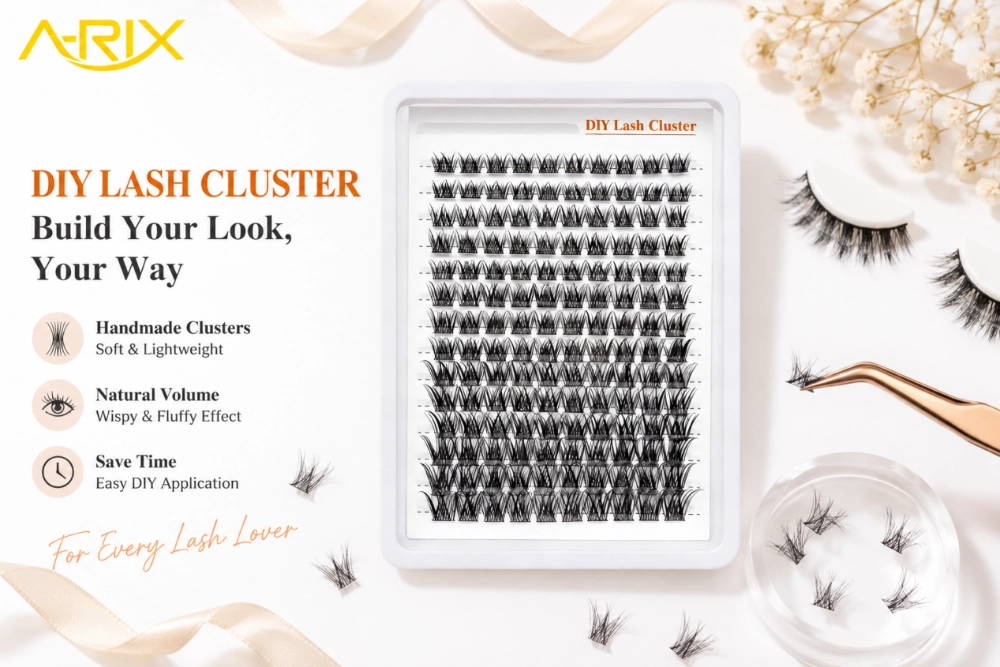
Bulk Custom Branding Durable Innovative Laser-Engineered DIY Cluster Lashes Feather-Light, Natural-Looking & Quick-Application False Eyelashes matches this task because its main product points can be checked directly.
Laser Cutting Gives You Clear Inspection Points
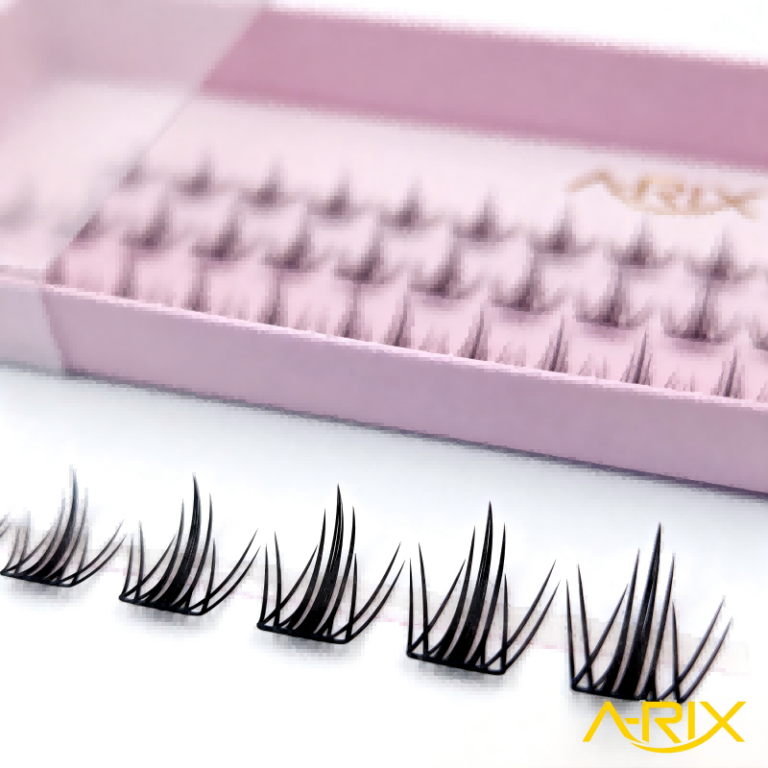
Laser cutting defines the base shape, while 3D fiber positioning controls alignment and spacing. You can inspect root cleanliness, fiber angle, tray consistency, and segment symmetry under magnification. A structured product is easier to compare with an approved sample.
Flat Roots Address Fit and Contact
The flat root creates a wider contact area, while the rounded R-shape base is intended to avoid the sharp feel linked with stiff roots. Test these features against your current product and record poking, visible gaps, placement time, and comfort after several hours.
Lightweight Construction Supports Daily Wear
The product page lists PET material and a 0.035 mm base, and describes the construction as ultra-light. Custom packaging and logo work are also available. These features make it a strong candidate for lightweight cluster lashes for sensitive eyes, subject to your own wear and pilot-batch results.
Why Can A-RIX Support a Sensitive-Eye Lash Project?
Once the product passes your tests, supply control becomes the next issue. You need the approved structure to remain stable through sourcing, shaping, packing, and repeat orders.
Product Development Stays Close to Production
A-RIX works in eyelash research, manufacturing, and private-label supply. Its range covers DIY clusters, strip lashes, extensions, accessories, and packaging. Buyers can discuss changes to material, curl, length, style, and pack format with a team that also manages production.
That matters when a sample fails. You can identify the exact issue, review a revised version, and keep the final specification for repeat orders instead of starting again with a new supplier.
Quality Control Can Follow the Approved Sample
The company checks raw materials, production stages, finished lashes, and packaging. Its OEM/ODM service also supports custom design, material selection, sampling, packaging, and production follow-up.
Place your sensitive-eye scorecard inside the purchase specification. It can then guide checks for base thickness, root finish, curl, shedding, tray layout, and transport protection.
Samples Should Lead to a Controlled Bulk Order
A safe decision comes from matched samples, several wear testers, factory records, a pilot batch, and a retained golden sample. The laser-engineered product gives you a clear item to assess, while A-RIX can support branding, packaging, production control, and repeat supply.
To request samples, contact the team with your target market, style range, estimated quantity, packaging plan, and test requirements.
FAQ
Q1: How many testers should check cluster lashes for sensitive eyes?
A1: Use at least three to five suitable testers with different eye shapes and sensitivity histories. Record the same comfort points and wear times for everyone.
Q2: Can a lightweight lash still irritate sensitive eyes?
A2: Yes. Low weight helps, but sharp roots, stiff edges, adhesive residue, poor placement, or an unsuitable adhesive may still cause discomfort.
Q3: What should be checked first when comparing samples?
A3: Start with root smoothness, base thickness, fiber shedding, and tray consistency. These checks often reveal production problems before longer wear tests.
Q4: Are the best fake lashes for sensitive eyes always the softest?
A4: No. A very soft lash may lose shape. The better choice balances softness, clean roots, low weight, stable curl, secure bonding, and repeatable production.
Q5: Should you place a bulk order after one sample passes?
A5: No. Approve several samples, review factory records, run a pilot batch, and keep a golden sample that defines the final product and packaging.