The beauty market has traditionally been divided into two familiar categories: affordable mass-market products and high-end luxury.
But Gen Z is helping create a much more interesting space between the two.
Younger beauty consumers may care about price, but they also care about design, convenience, individuality, packaging, social-media appeal, and the overall experience surrounding a product.
They do not necessarily need a product to carry a luxury price tag.
They want it to feel worth buying.
This is where “affordable luxury” becomes particularly relevant for lash brands.
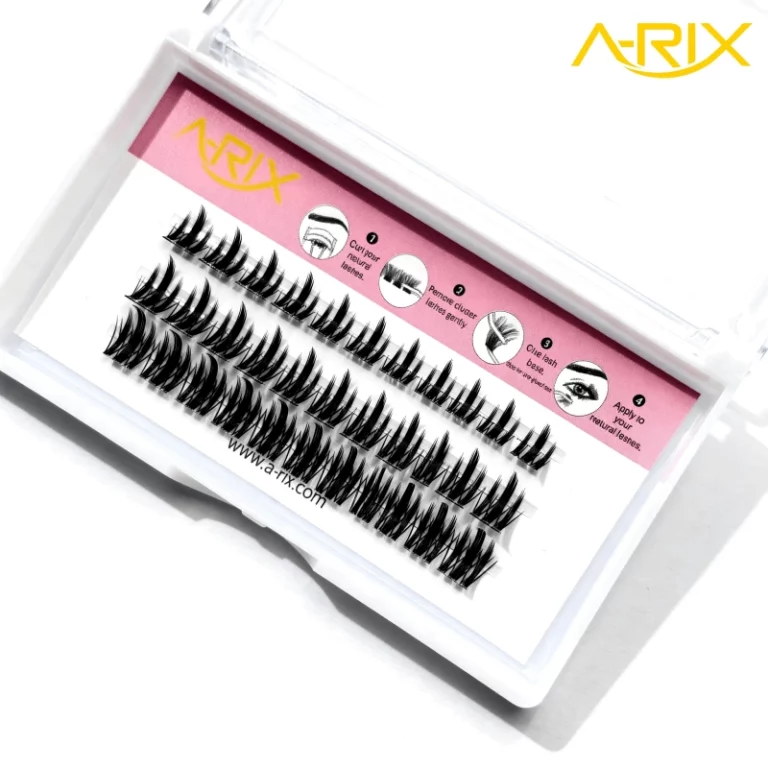
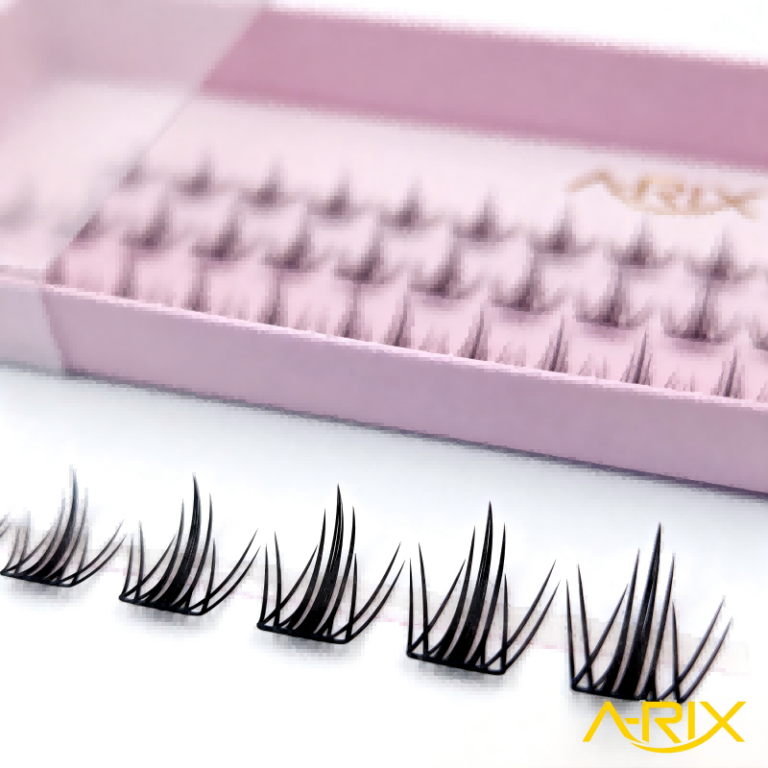
For false eyelashes and DIY lash clusters, affordable luxury can mean combining an accessible price with soft fibers, thoughtful lash maps, easy application, distinctive branding, attractive packaging, and an experience that looks premium online and feels premium in the customer’s hand.
Importantly, however, premium no longer has to mean excessive.
As sustainability expectations increase and European packaging rules become stricter, the next generation of affordable luxury may actually depend on doing more with less.
For lash brands targeting Gen Z—especially those selling into Europe—that distinction is becoming increasingly important.
Gen Z Is Value-Conscious, but “Value” Does Not Mean “Cheap”
There is an important difference between low price and high value.
A basic lash set might be inexpensive, but if the fibers feel stiff, the tray is difficult to use, the packaging looks generic, and the style is indistinguishable from hundreds of competing products, the customer may still feel that the product offers little value.
Another product may cost slightly more but offer:
- Softer fibers
- Better lash mapping
- Multiple lengths
- Easier application
- More comfortable bands
- A recognizable package
- Better storage
- A stronger visual identity
The second product can feel significantly more valuable even without entering a traditional luxury price range.
That gap between actual cost and perceived value is where affordable luxury lives.
For lash brands, the strategic question therefore becomes less:
“How can we sell this lash cheaper?”
and more:
“How can we make this lash feel more valuable without making it unaffordable?”
That is a much stronger starting point for building a Gen Z-focused brand.
What Does Affordable Luxury Mean for a Lash Brand?
Affordable luxury is not simply putting the word “premium” on a box.
It is created through a combination of product performance and experience.
For a lash brand, that may include:
Product quality
Soft fibers, lightweight construction, consistent curls and comfortable bands.
Trend relevance
Natural clusters, wet-look lashes, spiky styles, brown lashes, pre-glued lashes or personalized lash maps.
Convenience
Products that reduce application time and make at-home beauty easier.
Packaging
A box that looks distinctive without being unnecessarily complicated.
Brand identity
A visual system customers can recognize immediately on TikTok, Instagram or an e-commerce page.
The strongest affordable-luxury products often do not look expensive because they contain the most material.
They look premium because every detail appears intentional.
1. DIY Lash Clusters Naturally Fit the Affordable-Luxury Model
DIY cluster lashes sit in an interesting position between traditional strip lashes and professional salon extensions.
Salon lash extensions can deliver a polished result, but they also require appointments, maintenance and ongoing spending.
DIY clusters allow customers to create customizable looks at home.
That creates a powerful value proposition:
Salon-inspired results without the salon routine.
A single cluster lash kit may include different lengths such as:
8 mm, 10 mm, 12 mm, 14 mm and 16 mm.
Customers can then create their own:
- Cat-eye maps
- Doll-eye maps
- Natural maps
- Wispy maps
- Spiky looks
- Manga-inspired styles
This level of personalization makes the product feel more sophisticated than a simple disposable strip lash.
At the same time, it remains accessible enough for customers to experiment.
That combination—customization + convenience + accessible price—fits affordable luxury extremely well.
2. Packaging Still Matters—But Premium Packaging Is Changing
Packaging remains one of the strongest tools lash brands have for increasing perceived value.
Before customers touch the lashes, they see the box.
On TikTok Shop, Amazon, Instagram or a brand website, the packaging may even become part of the customer’s first impression before the physical product arrives.
Premium lash packaging might traditionally include:
- Magnetic closures
- Clear display windows
- Custom Pantone colors
- Embossing or debossing
- Metallic foil
- Special textures
- Structured inner trays
- Unique opening experiences
These details can still be useful.
But the definition of premium packaging is changing.
A large box with multiple unnecessary layers may look luxurious at first glance, but younger consumers—and increasingly regulators—are questioning whether additional material actually creates additional value.
For modern lash brands, the goal should therefore be:
less packaging, better design.
A compact box with beautiful typography, a thoughtful opening mechanism and an efficient inner tray can feel more sophisticated than a much larger package filled with unnecessary space.
3. EU PPWR Is Making “Smart Luxury” More Important
This packaging shift is particularly relevant for brands selling into the European Union.
The EU’s new Packaging and Packaging Waste Regulation (PPWR), Regulation (EU) 2025/40, entered into force in February 2025 and applies generally from 12 August 2026. The regulation establishes sustainability requirements across the packaging life cycle and aims to reduce unnecessary packaging while improving recyclability and circularity.
Not every PPWR obligation takes effect immediately. Important requirements are being phased in over several years.
For example, Article 10 requires that, by 1 January 2030, manufacturers or importers ensure packaging weight and volume are reduced to the minimum necessary for functionality. The Regulation also specifically addresses packaging features designed only to increase perceived product volume, such as unnecessary layers, false bottoms and certain double-wall structures.
The PPWR also introduces stronger requirements around empty space. For sales packaging, economic operators will need to reduce empty space to the minimum necessary for packaging functionality by 12 February 2028, while separate limits are planned for grouped, transport and e-commerce packaging.
Recyclability is another major direction. The Regulation establishes that packaging should be recyclable, with detailed recyclability performance requirements and grades being phased in from 2030 onwards.
For lash brands, this matters.
Traditional ideas about “luxury packaging” often rely on:
- Oversized boxes
- Multiple decorative layers
- Thick inserts
- Mixed materials
- Large empty areas
- Decorative components with little functional purpose
Those design habits may become increasingly difficult to justify in the European market.
Instead, brands should begin thinking about:
Premium appearance with lower material use.
That could mean:
- Smaller packaging footprints
- More efficient lash trays
- Reduced unnecessary empty space
- Easier-to-separate materials
- Greater use of recyclable packaging structures
- Fewer decorative components that interfere with recycling
- High-impact graphics instead of excessive structural material
The PPWR should therefore not necessarily be viewed as the enemy of premium packaging.
It can push brands toward a more modern definition of luxury:
intentional, efficient and well designed.
4. Affordable Luxury Should Be “Instagrammable,” Not Oversized
Social media has also changed the visual language of premium beauty.
A product does not need to arrive in a huge presentation box to look aspirational.
In fact, content often rewards details that can be communicated instantly.
A lash box opening with a satisfying magnetic click.
A clean transparent window revealing the lash map.
A distinctive color that is recognizable in a creator’s hand.
A beautifully organized inner tray.
A compact package that fits easily inside a makeup bag.
These moments can create stronger visual identity than simply adding more cardboard.
For Gen Z-oriented brands, packaging should therefore be designed not only for the shelf but also for:
TikTok videos
GRWM content
Unboxing clips
Instagram photos
TikTok Shop thumbnails
UGC reviews
This creates an important principle:
Social-ready packaging does not need to be material-heavy packaging.
A smart design can deliver both visual impact and greater packaging efficiency.
5. Sustainability Can Become Part of the Affordable-Luxury Story
Sustainable packaging is sometimes treated as a compliance problem.
For Gen Z brands, it can also become part of the product story.
Imagine two different messages.
The first says:
“Premium luxury lash packaging.”
The second says:
“Premium design with less unnecessary packaging.”
The second statement communicates both aesthetics and intention.
Brands can begin exploring areas such as:
- Right-sized packaging
- Paper-based outer boxes where appropriate
- Reduced material combinations
- Recyclability-conscious structures
- Fewer unnecessary inserts
- More compact e-commerce shipping
- Reusable lash storage where genuinely functional
However, sustainability claims should be specific and supportable rather than vague. The PPWR itself introduces rules around environmental claims relating to packaging, reinforcing the importance of clear and non-misleading communication.
Instead of simply printing:
“Eco-Friendly Packaging”
brands may be better served by communicating concrete features that can actually be verified.
That approach can build greater credibility.
6. Affordable Luxury Gives Gen Z Permission to Experiment
False lashes are increasingly part of personal style rather than simply a tool for making lashes “bigger.”
One customer may want:
a short natural cluster for work,
a brown lash for soft makeup,
a wet-look style for dinner,
a manga-inspired lash for content,
and a dramatic cat-eye for a party.
If every product is expensive, experimentation becomes difficult.
If every product feels extremely cheap, the emotional appeal can disappear.
Affordable luxury occupies the middle.
The customer can feel:
“This is special enough to enjoy.”
while still thinking:
“I can try another style.”
Brands can therefore create collections around different aesthetics.
Soft & Natural
Brown lashes, fine bands, shorter lengths and subtle wispy designs.
Clean & Minimal
Invisible bands, lightweight clusters and barely-there styles.
Spiky & Editorial
Wet-look, angel and spike-focused designs.
Manga & Doll
Defined peaks and separated clusters.
Full Glam
Dense volume and stronger eye-shape transformation.
This encourages collection-building instead of forcing the brand to rely on one hero style.
7. Small Details Can Create More Value Than More Packaging
One of the biggest lessons of affordable luxury is that value can often be created through relatively small improvements.
For example:
Softer fibers improve comfort.
Thinner bands create a more natural appearance.
Clear length markings make DIY application easier.
Better lash trays reduce damage when clusters are removed.
Multiple lengths increase customization.
Compact magnetic boxes can improve storage and tactile experience.
Stronger graphic design can improve shelf and social-media recognition without increasing packaging volume.
This is also where PPWR and affordable luxury can align surprisingly well.
Instead of spending packaging cost on unnecessary material, brands can redirect that investment toward the things customers actually experience:
better lashes, better functionality and better design.
8. Affordable Luxury Can Help Lash Brands Escape the Price War
The false lash market is highly competitive.
When several sellers offer visually similar products, price becomes the easiest point of comparison.
$12 becomes $9.
$9 becomes $7.99.
Then another competitor offers a coupon.
That is difficult to sustain.
Affordable luxury gives brands additional dimensions on which to compete:
- Design
- Comfort
- Convenience
- Personalization
- Packaging
- Sustainability
- Trend relevance
- Brand identity
- Content potential
The goal is to prevent customers from seeing:
“Two identical lashes with different prices.”
Instead, they should see:
“Two completely different product experiences.”
That distinction is essential for brands trying to create repeat customers rather than depending permanently on discounts.
9. What Should Gen Z-Focused Lash Brands Develop?
For brands exploring the affordable-luxury segment, several product directions are particularly worth considering.
Natural-Looking Premium Clusters
Fine bands, lightweight fibers and softer finishes can create an elevated everyday look.
Pre-Glued Lash Formats
Simplifying application can turn convenience into a premium feature.
Personalized Lash Mapping Kits
Multiple lengths allow consumers to create their own styles rather than accepting one fixed lash shape.
Brown and Soft-Black Collections
Softer colors can extend a brand beyond traditional jet-black dramatic lashes.
Compact, PPWR-Conscious Packaging
Premium presentation should increasingly focus on right-sizing, material efficiency, recyclability considerations and functional design.
Complete Starter Kits
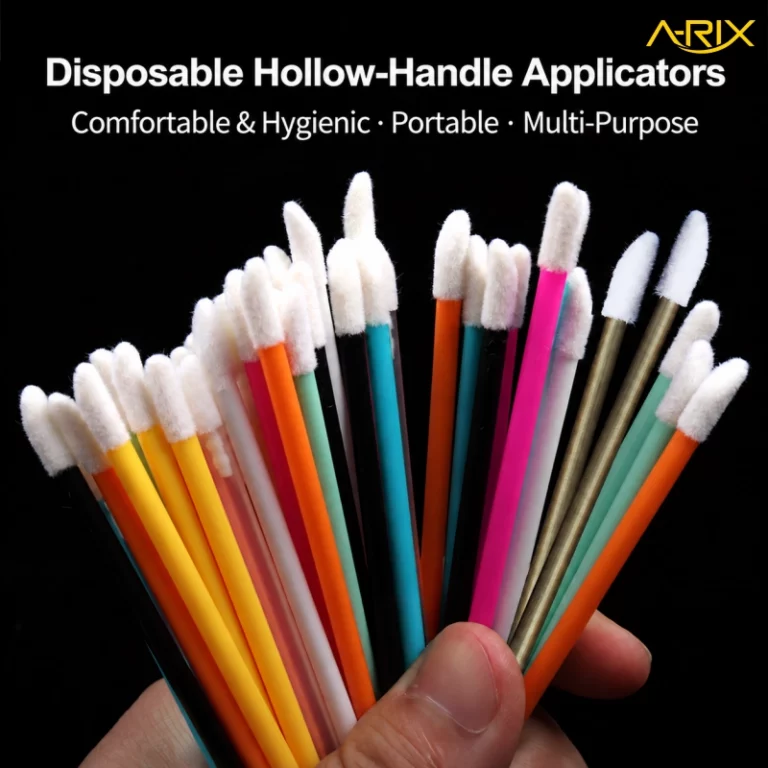
Clusters, applicators, adhesives, remover and lash maps can create a complete DIY experience—provided each component adds genuine value.
The principle should remain simple:
Do not add something simply to make the product look more expensive.
Add it because it makes the product better.
The New Sweet Spot: Accessible, Aspirational and Responsible
Affordable luxury works because Gen Z does not necessarily see affordability and premium experience as opposites.
A product can be accessible while still feeling thoughtfully designed.
It can be visually appealing without being oversized.
It can feel premium without using excessive material.
And it can be trend-driven without becoming disposable in its design philosophy.
That means the strongest Gen Z lash brands may not be the ones creating the biggest boxes or the lowest prices.
For the next generation of lash brands, affordable luxury may not simply be the sweet spot between mass market and high-end beauty—it could be the point where consumer desire, brand differentiation and the future of packaging regulation meet.