When selecting an eyelash manufacturer it is important to consider more than just the lowest price per tray or pair of false eyelashes. Your lash concept should be converted into clear specifications and you should receive consistent samples before production. It is also important to see written proof of quality control and that production can be repeated.
This guide helps beauty brands, lash artists, distributors and retailers evaluate an eyelash supplier for OEM/ODM projects. Use it to compare product experience, sampling, manufacturing responsibilities, quality control, compliance readiness and order terms before placing a production order.
What do eyelash manufacturer, OEM, ODM and private label mean?
Many terms are widely used in the supply chain of the eyelash industry. The terms are often used by suppliers with different meanings of scope of work. It is best to clarify the scope of work with a supplier in written form.
- Eyelash manufacturer: Supplier of eyelash strip, clusters, professional extension trays and pre-made fans. Indicates whether supplier is making these items in-house or has them made for them.
- Contract manufacturing: The brand in question contracts with suppliers or manufacturers who then produce the required eyelash products under contract with the brand and according to the specifications of the brand, where the responsibilities, the approvals and the delivery are defined in a contract.
- OEM: This is often used for production based on the buyer’s own lash concept, reference sample, drawing or detailed specifications. Define who is responsible for design development, materials and any custom tooling required.
- ODM: Typically these programs start with lash designs developed by the manufacturer and the buyer can select from them or even make modifications. Check the degree of customization, the level of exclusivity, design ownership and approval process.
Start with the right eyelash product and specifications
Not every beauty-product factory is set up to produce the same type of product, such as reusable strip lashes, individual lash extensions, premade volume fans or clusters to be applied at home. A generic cosmetic manufacturer most likely does not have the necessary experience with designing and producing lashes of consistent quality. Define your exact product before requesting prices.
Prepare an eyelash product brief that specifies:
- Product category and user: strip lashes, clusters, extension trays, premade fans or accessories; professional or at-home use.
- Lash attributes: material of the fibers, length, curl, thickness/diameter, density, color, surface finish, visual effect wanted.
- Construction and performance: this refers to the construction of the lash band or base, the fan’s consistency, flexibility, shape retention and other relevant acceptance criteria.
- Packaging: pairs per tray, tray lay out, style codes, inserts, labels, boxes, artwork and barcodes.
- Target markets and channels: salon, distributors, e-commerce/retail, languages and claims required.
- Development stage: initial concept, original design file, reference sample, supplier’s standard style or written specification already existing.
Get the supplier to show you similar products that they are currently manufacturing. Find out which of the customization options will really work at scale and whether the design you have been shown is a standard style that other suppliers are offering to other customers, or whether it is made to order especially for you or even is exclusive to your brand. A successful sample does not automatically mean that the supplier can make it in quantity – define acceptance criteria and check a physical reference sample against them before authorizing bulk manufacture.
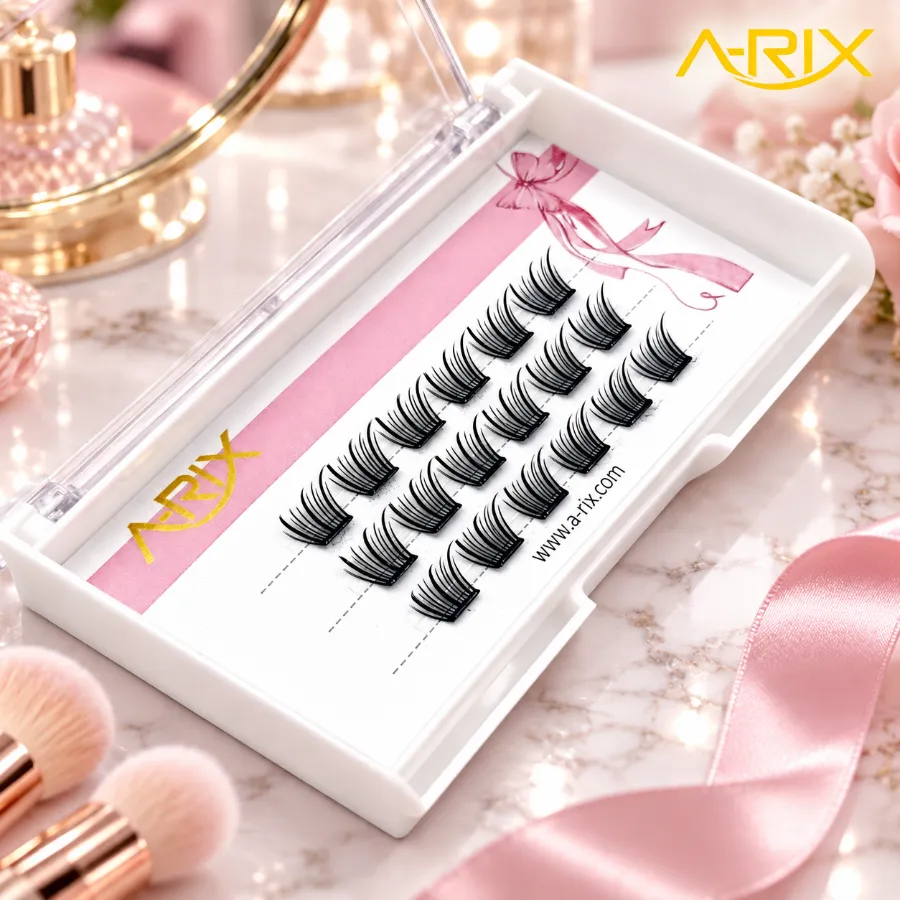
Evaluate eyelash quality control and traceability
When a manufacturer promises you “premium quality” this does not necessarily mean they are following an inspection plan. Find out how the manufacturer is checking the quality of the fibers and materials that are coming in and how they are controlling the production of the lashes, checking the finished product before it is being packed in different formats such as strip lashes, extension trays or even premade fans.
Useful questions include:
- Which incoming attributes are inspected, such as fiber composition, length, thickness, curl, color and band or base materials?
- How does one evaluate lash symmetry, fan shape, density, shedding, visible defects and consistency between trays?
- Is the band/base integrity, shape retention and packaging protection checked where applicable?
- How are batch/lot records connected between raw materials, production, finished Goods SKUs and shipped goods?
- What is the process for an approved fiber, supplier, lash style, packaging material or production method change?
- Can the factory provide relevant inspection examples, an audit summary or quality-system evidence, including its actual scope and validity?
Request evidence for the specific eyelash product, not just a factory certificate or a broad “international standards” statement. Agree on measurable defects, sampling frequency, rejection criteria and corrective actions. If your project includes lash adhesive or a liquid lash-care product, assess its formulation, storage requirements and safety documentation separately from the physical eyelashes. Avoid unsupported claims such as “hypoallergenic” or “medical grade.”
Check eyelash product compliance in target markets
Requirements for false eyelashes, professional lash extensions, lash adhesives and lash-care products may differ from country to country. Requirements depend on the classification of the product and/or the materials/ingredients used, any claims made and the intended use of the product as well as the destination country where the product will be sold.
All of these should be confirmed with supplier and an appropriate regulatory body before actual production.
- Who confirms the classification and regulatory requirements of each product to be exported to specific countries?
- Material specifications, Ingredient details (where relevant), Safety data and Manufacturing records.
- Who is responsible for reviewing the manufacturer’s instructions, warnings, languages on labels, responsible party and traceability information?
- Are there any registrations, notifications, assessments etc. needed for market entry and who is responsible for these?
- What changes to our lash fibers, adhesives, packaging, artwork and claims are reviewed and approved?
- What substantiation is there to support the certification, safety statement or product claim for this exact product?
Compare eyelash packaging, MOQs and lead times
Packaging protects the lashes and presents your brand. The trays and inserts must hold the lashes in the correct curl and shape within the packaging, and the outer packaging must match the approved design for the outer packaging including any required labeling. Who supplies the trays, outer packaging, sleeves and barcodes and who approves the print for the packaging? Who signs off the completed pack-out?
Compare the minimum order quantities (MOQs) of suppliers for the same item. MOQs can vary per lash style, per length, per curl, per thickness, per tray layout or per printed box. Can you combine quantities of different items or can some items be ordered separately? Are there any setup costs for custom packaging, molds, print runs or style development?
Create a written plan outlining your development from approved specifications and sample through material procurement, packaging proof, pilot production, inspection and shipping. Confirm when the given lead time starts to run, identify any dependencies that may affect shipping and outline how changes can be communicated. Include the agreed shipping terms and the parties responsible for the inspection in the purchase order.
Before scaling up, discuss repeat orders with your supplier and find out if they are able to reproduce your approved lash style consistently. Review their production capacity, the critical materials they use, and the way they batch, identify and make changes to their production in their factory. A great first sample does not necessarily translate to great repeat production.
Questions to ask an eyelash manufacturer before ordering
Use the same questions when comparing shortlisted eyelash suppliers:
- Can you list the regular false eyelashes and human hair extensions you manufacture? Please provide examples for comparison.
- Which activities—design, fiber sourcing, lash assembly, inspection and packing—are handled in-house?
- What are the key specifications you need me to quote from and how do they affect the unit price.
- Is a pre-production sample available and what changes will be made for the mass production?
- How do you assess curl, length, thickness, density, symmetry and band or fan integrity?
- How to control approved reference samples, style codes, artwork versions and change requests?
- What are the traceability and pre-shipment quality records for our order?
- Who is responsible for checking the destination market, for labeling and for any other documents required by adhesive regulations?
- How will different variants, packaging types and volumes affect MOQ, price list, delivery time and required production capacity?
- Who is our main point of contact. Who approves changes and how do we escalate any problems.
Evaluate each physical sample against a written specification rather than a photograph or a verbal description. For every approved SKU, record the fiber type, curl, length, diameter or density, band or base construction where applicable, style code, packaging artwork and reference-sample date. Have both sides approve the final sample and specification before production begins.
Common sourcing mistakes—and an eyelash supplier checklist
Lash buyers make many mistakes when selecting a lash factory including choosing a lash factory based on price only, comparing apples to oranges by comparing quotations that have different tray counts, failing to establish curl and length tolerances, failing to realize that “private label” does not necessarily mean exclusive design rights and therefore generic certificates are not proof that products will comply with market requirements.
Confirm you have the following before choosing an eyelash manufacturer:
- A detailed eyelash product brief and target-market list.
- Evidence of experience with your exact lash product category.
- A clear breakdown of in-house and outsourced processes.
- A physical reference sample and version-controlled acceptance specifications.
- Written incoming, in-process and finished-product quality checks.
- Owner for regulatory reviews, claims, warnings and labels named.
- An itemized quotation outlining the SKU-specific MOQs, costs and lead times.
- Approved trays, boxes, inserts and packaging artwork.
- A day-to-day contact and a defined escalation path.
- A documented pilot-order, repeat-order and change-control plan.
FAQ
What should I look for in an eyelash manufacturer?
Experience with your lash type, approved physical sample, documented inspection criteria, traceable materials, realistic production capacity and clear packaging and compliance responsibilities are the key to repeatable quality and not just a great photo of a product.
What is the difference between OEM, ODM and private label eyelashes?
OEM typically starts from the lash specifications of the buyer. ODM typically starts with the manufacturer’s existing design for ODM and private label products are typically customized versions of an existing style with a strong focus on branding. Due to the variety of uses for false eyelashes it is best to clarify in writing the customization rights and ownership and the tooling and sign-off responsibilities of the buyer.
How do eyelash manufacturer MOQs work?
Minimum Order Quantities for individual lash styles, curl types, lengths, diameters, tray configurations and custom printed boxes may apply above and beyond minimum total order quantities for entire orders. Compare like Suppliers offering like SKU’s, box and packaging, shipping terms and conditions etc. and be sure to ask about sample charges and minimum re-order quantities.
Choose an eyelash manufacturer that fits your product
When choosing an eyelash manufacturer don’t automatically go for the cheapest factory or supplier with the biggest beauty catalog. Look for someone with relevant experience of producing lash products, good inspection reports, clear responsibilities and the ability to reproduce your approved designs time and time again.
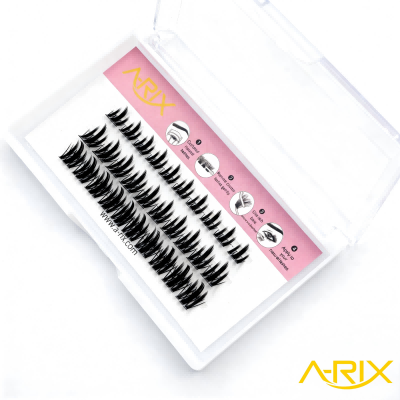
A-Rix specializes in producing high quality eyelash products and engages in OEM/ODM projects with various brands. Please review our current products and provide us with information regarding your target customers, required specifications for your desired lashes, production quantity and packaging needs, and we will be happy to suggest the best way to proceed with your manufacturing needs.