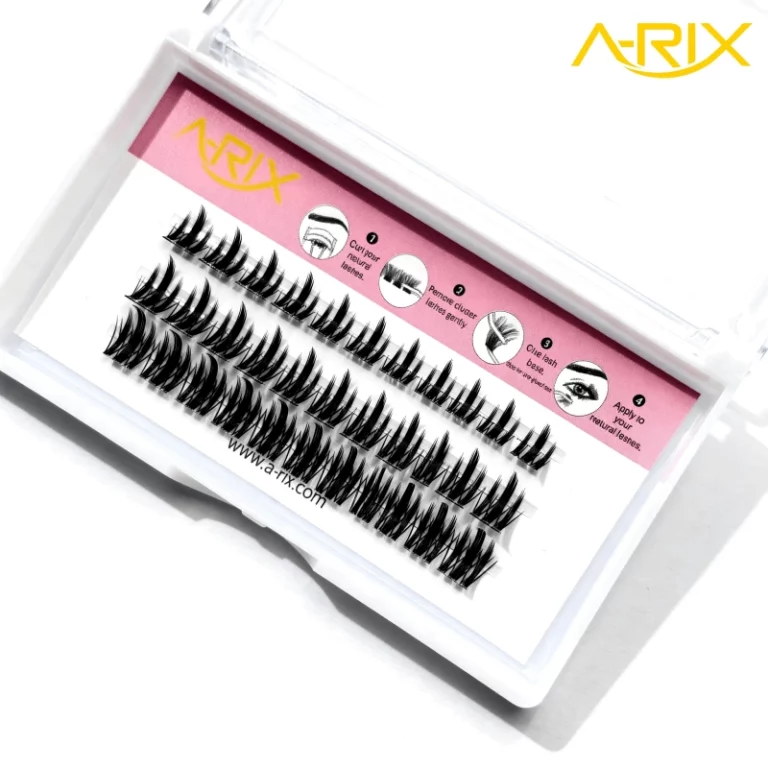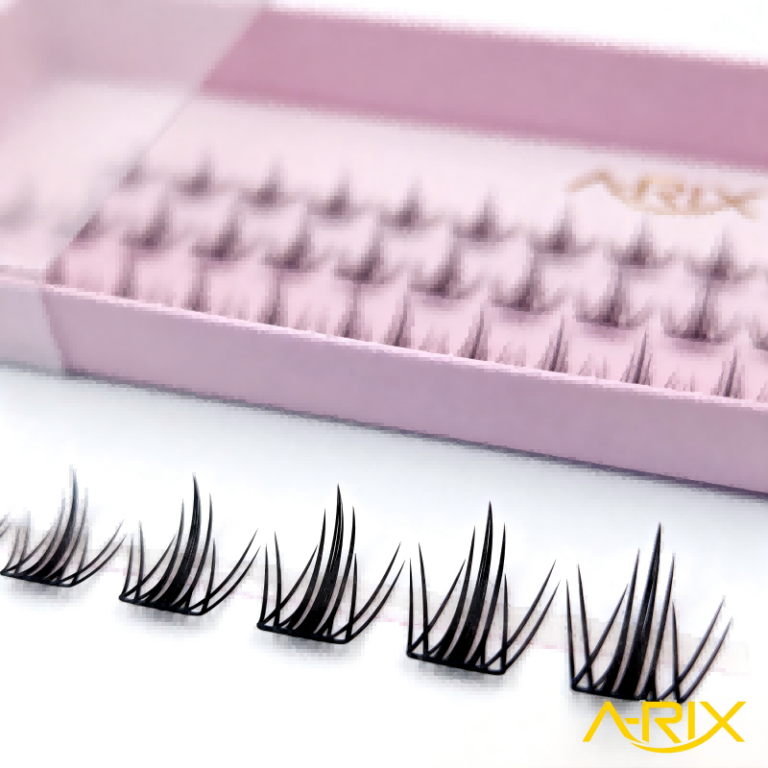
In the highly competitive beauty market of 2026, DIY cluster lashes have officially transitioned from a viral social media trend to a permanent staple in the inventory of top lash brands, salon chains, and Amazon beauty retailers. For B2B buyers—whether you are a procurement manager for an established cosmetics brand or an independent lash salon owner—expanding your product line into custom DIY segments presents an incredible growth opportunity. Factory-gate pricing (EXW) from premier manufacturing hubs like China can look remarkably attractive, often promising profit margins that exceed 60% to 70%.
However, many international buyers fall into a costly trap: confusing the factory purchase price with the true landed cost. The landed cost is the total price of a product once it has arrived safely at your warehouse doorstep. It includes the original invoice, international logistics, customs broker clearances, import tariffs, specialized packaging compliances, and localized handling costs. Neglecting these financial variables can instantly erode your retail margins and turn a projected bestseller into an unexpected financial loss.
To secure your supply chain and protect your bottom line, here is an in-depth analysis of the 8 hidden fees you must evaluate before finalizing your next wholesale order of DIY cluster lashes.
1. Volumetric Weight Surcharges (The Air Shipping Trap)
DIY cluster lashes are incredibly lightweight, but their private label packaging—typically custom acrylic, paper, or plastic cases—takes up substantial space. International express and air freight carriers (such as DHL, FedEx, and UPS) utilize a billing mechanism known as Dimensional (Volumetric) Weight.
The standard formula is:

If your packages are bulky, you will be billed based on the space they occupy rather than their actual physical weight on a scale. Unoptimized custom lash boxes that feature excessive plastic framing or decorative spacing can easily double your freight billing weight. Partnering with a factory that provides custom-engineered, nesting packaging inserts can reduce package volume by 15%–30%, saving thousands in unnecessary shipping overhead.
2. Import Tariffs and HTS Code Misclassification
Customs duties can significantly impact your final landed cost, particularly for US and European importers. In the United States, false eyelashes made of synthetic fibers generally fall under HTS Code 6704.19.0000 (Synthetic textile materials, prepared for use in making wigs, eyelashes, and the like). Depending on your country of origin and any active trade regulations or Section 301 tariffs, duties can range from a baseline of 4.7% up to an additional 25% penalty tax.
Many novice importers fail to budget for these tariffs or suffer heavy fines because an inexperienced supplier misclassified the goods on the commercial invoice. A professional B2B lash factory always verifies the exact Harmonized Tariff Schedule classification before the cargo leaves the port.
3. Private Label Design & Tooling Fees (Mold Customization)
Launching a proprietary DIY cluster collection requires tailored branding. While standard OEM eyelash styles do not carry tooling or modeling costs, creating a brand-new layout or a custom-designed plastic case requires a physical injection mold. For example, for DIY cluster lashes, it may need new lay-out plastic trays, sample fees of new model. Injected acrylic molds can range from $1,200 to $3,500 depending on complexity. Sample fees may $200-300 each time. While this is a one-time upfront cost, it must be factored into your initial run’s landed cost calculation unless the manufacturing partner offers to waive or amortize the tooling fee across a guaranteed volume commitment.
4. European Recycling Codes and EPR Compliance Costs
If you are exporting or importing DIY cluster lashes into the European Union (e.g., Germany, France, Italy), your packaging must comply with Extended Producer Responsibility (EPR) laws and display appropriate recycling codes (such as PAP 21 for cardboard inserts or PET 01 for plastic trays). Brands must register with local recycling networks (like Lucid in Germany) and pay annual eco-contribution fees based on the tonnage of packaging materials introduced to the market. Skipping these compliances can lead to severe custom holds, product destruction, or hefty administrative fines at European borders.
5. Customs Bond and Local Brokerage Handling Fees
International shipping estimates provided by basic freight forwarders frequently cover port-to-port ocean or air transit, entirely omitting the localized port fees. For commercial shipments entering the US valued over $2,500, a Customs Bond (Continuous or Single Entry) is legally mandatory. Additionally, a licensed customs broker must file your documentation. Expect to pay a baseline handling fee ranging from $150 to $300 per entry, plus document fees, terminal handling charges (THC), and automated manifest system (AMS) filings.
6. Special Adhesive and Bond/Seal Hazardous Goods Surcharges
A true DIY cluster lash system is incomplete without the specialized “Bond & Seal” liquid adhesive or remover solutions. Eyelash adhesives contain active chemical polymers (like cyanoacrylates or specific acrylic binders). In international logistics, liquids and chemical formulations are categorized under Dangerous Goods (DG) or Hazardous Materials. They require strict safety certifications (such as MSDS, UN38.3, and safe transport declarations). Shipping lines and airlines apply a fixed hazard surcharge on these items, and they cannot be mixed with standard cargo without specialized documentation.
7. Quality Control Inspection and Micro-Defect Rates
The true cost of an item isn’t just what you pay for the perfect units—it must account for the defect rate. In mass manufacturing, a standard Acceptable Quality Limit (AQL 2.5) means up to 2.5% of your product could have minor defects (e.g., uneven lash symmetry, loose bands, or minor scuffs on the transparent cases). If you work with a low-tier factory lacking rigorous internal QC protocols, your defect rate can climb to 8%–10%. Every defective unit that cannot be sold to a salon or retail consumer immediately inflates the real landed cost of your remaining sellable inventory.
8. Domestic Outbound Freight (The “Last-Mile” Delivery)
The journey does not end when the container arrives at your port likr: Los Angeles, Rotterdam, or Sydney… Transporting heavy pallets from the port terminal or airport cargo facility to your centralized fulfillment warehouse requires domestic trucking or LTL (Less-Than-Truckload) freight. Due to shifting fuel adjustments, residential delivery surcharges, or liftgate fees, last-mile delivery can add an unexpected 5% to 15% to your overall shipping budget if your warehouse is located far inland.
Real B2B Case Study: US Lash Brand “LuxeGaze”
The Scenario: LuxeGaze ordered 5,000 sets of a 72-cluster custom DIY lash tray with a quoted factory EXW price of $1.20 per unit. They anticipated a total product cost of $6,000 and budgeted $1,500 for basic shipping, expecting to land each unit at $1.50.
The Reality: Because the brand chose an oversized acrylic box style without optimizing package layouts, the volumetric weight exceeded physical weight by 45%. Furthermore, they neglected US import duties and the specialized dangerous goods logistics required for the 1,000 mini lash bonds included in their bundle.
Cost Breakdown Analysis Table
| Cost Element | Quoted/Expected (EXW) | Actual True Cost Breakdown |
| 5,000 Lash Trays (Base Price) | $6,000.00 ($1.20/unit) | $6,000.00 |
| Custom Packaging Plate & Mold Fee | $0.00 (Assumed free) | $450.00 (One-time plate charge) |
| Air Freight (Billed via Volumetric Weight) | $1,500.00 | $2,450.00 (Due to bulky box dimensions) |
| Dangerous Goods (DG) Fee for Adhesives | $0.00 (Ignored) | $350.00 (MSDS handling & special routing) |
| US Customs Duty (HTS 6704.19.0000) | $0.00 (Ignored) | $480.00 (Approx. 8% blended rate) |
| Brokerage, Customs Bond & Terminal Fees | $0.00 | $380.00 |
| Last-Mile Domestic LTL Trucking | $0.00 (Assumed included) | $420.00 (Port to fulfillment center) |
| TOTAL TRUE LANDED COST | $7,500.00 | $10,530.00 |
| Per Unit True Cost | $1.50 / unit | $2.11 / unit |
Case Lesson: LuxeGaze’s unit cost escalated from an expected $1.50 to $2.11—a 40.6% increase due to uncalculated hidden fees. By transitioning to a professional B2B factory that optimized packaging layout and consolidated customs clearance, their subsequent batch lowered the landed cost back to $1.68 per unit.
How to Optimize Your True Landed Cost with A-RIX
Calculating landed costs doesn’t have to involve costly trial and error. To maximize your profit margins, always ensure your manufacturing partner can provide transparent data sheets covering outer carton dimensions, gross-versus-net weight ratios, and certified compliance documents before you transfer any deposits.
At A-RIX Eyelash Factory, we act as an extension of your procurement team, not just a supplier. We protect our international wholesale clients from unexpected budgeting shocks through precise supply chain optimizations:
Ultra-Compact Packaging Engineering: We have experienced designer, design custom private label trays that maximize cluster density while minimizing empty space, saving up to 25% on volumetric air freight.
Full DDP & Customs Support: Our logistics experts handle exact HTS classification and offer turnkey DDP (Delivered Duty Paid) shipping solutions to the US and Europe, guaranteeing that all duties, bonds, and clearance fees are locked into a single transparent price.
Certified Chemical Compliance: All A-RIX DIY lash bonds, seals, and removers come fully backed by up-to-date MSDS and international transport certificates, eco-friendly certificates like FSC, and quality certificates: like SGS, CE… avoiding border holds and minimizing hazardous freight premiums.
Take Total Control of Your Import Margins
Planning a custom DIY cluster lash line or looking to optimize your current manufacturer’s pricing? Get a comprehensive, transparent cost assessment today.