A market-research-driven case for adding lower lash products to both lash extension and DIY lash portfolios
The lash industry has spent the last decade innovating “up top”: curl options, fiber tech, mapping styles, and faster application formats. But as the market matures, brands face a familiar problem—upper-lash SKUs are crowded and differentiation is harder. The next expansion point isn’t a new curl letter; it’s a new zone.
Lower lashes (bottom lashes) are moving from “optional detail” to “must-have finishing product.” The shift is being driven by three measurable forces:
- A growing total lash market (more consumers entering the category, more frequent repurchase cycles). For example, the global false eyelashes market was estimated around USD 1.89B in 2024 and expected to grow further.
- A split in consumer behavior—some stay loyal to pro services, others move to at-home formats. Mainstream beauty media notes the post-pandemic rise of DIY lash systems alongside continued demand for professional sets.
- The underlash/under-eye application boom, amplified by social platforms and brands pushing “seamless” looks.
If you’re a lash brand (either pro extension supply or DIY cluster system), lower lashes are now a product strategy—not a niche add-on.
1) Why lower lashes change the look: the “eye frame” effect
Upper lashes create lift and impact; lower lashes create balance. Without lower-lash definition, many lash looks read as “top-heavy,” especially as trends swing toward natural, clean, and soft framing rather than mega-volume drama. Beauty trend coverage repeatedly highlights a move toward natural eye framing and also calls out exaggerated lower lashes returning in trend cycles.
From a consumer perspective, lower lashes solve practical pain points too:
- Mascara smudging/transfer on lower lash line (oil, humidity, long wear)
- “Incomplete” look on camera (short-form video, selfies, creator economy)
- Desire for a polished but low-effort everyday face
This is exactly why “underlash/underlashes” messaging resonates: it promises clean finish + salon vibe + less mess.
2) The professional eyelash extension market: lower lashes as a high-margin add-on
The lash extensions market continues to grow; for instance, one industry forecast estimates the market will expand by USD 615.4M from 2024-2029.
Meanwhile, the U.S. lash extension market is also projected to grow at mid-single-digit CAGR over the next several years.
In mature service categories, growth often comes from:
- better retention (fills/membership)
- premiumization (specialty add-ons)
- higher ticket size per appointment
Lower lash services check all three.
Proof that salons already sell lower lash extensions (and charge for them)
Many salons list lower lash extensions as a separate service line item (i.e., explicit pricing). Example: one San Francisco studio lists Bottom Lash Extensions $69.
For context, chains report full sets commonly priced in the $169–$214 range depending on style.
Brand implication: if salons can reliably charge for it, brands can reliably supply it—and upsell the tray formats, tweezers, tapes/pads, and training content that go with it.
3) Lower lashes in eyelash extension: product classification that matches how artists buy
To persuade pro brands, you need to translate “lower lash” into inventory logic: tray types, curl, diameter, length bands, and application efficiency.
- A) Flat Lash (for lower lash use)
Flat lashes can be excellent for lower lash work because they can deliver visible definition while staying lightweight. They also pair well with today’s “natural framing” direction. (Many trend recaps emphasize natural looks gaining attention.)
Merchandising angle: “Lower Lash Flat Collection” with ultra-short lengths and softer curls.
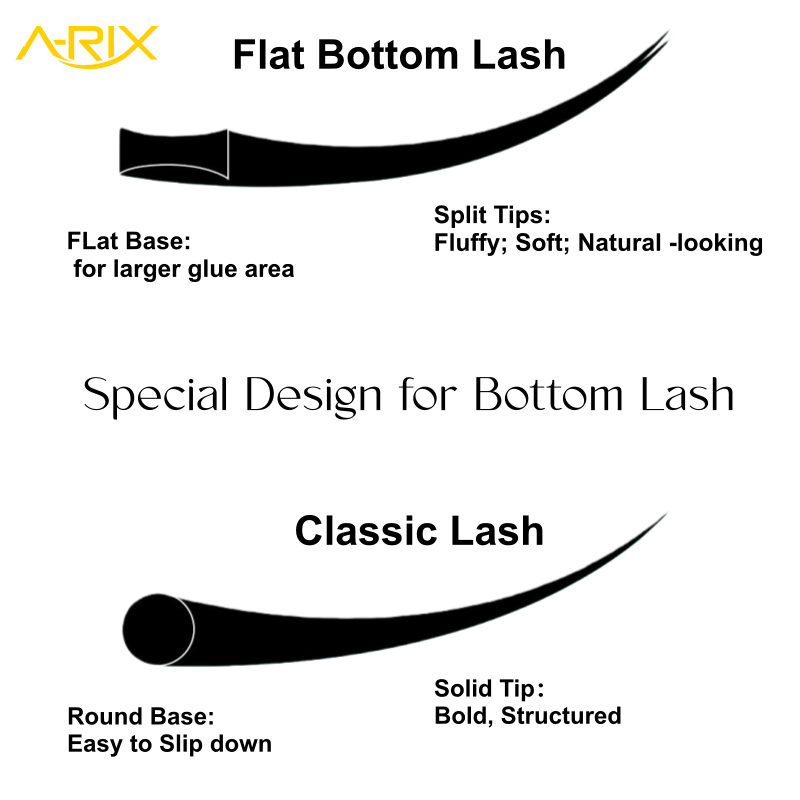
- B) Classic Lash (traditional lower lash staple)
Classic fibers remain a default for lower lashes because artists value predictability and control—especially in delicate zones.
Merchandising angle: dedicate lower-lash-only trays rather than forcing artists to waste upper-lash trays.
- C) Cluster pick close fan lash (efficiency / bolder lower lash looks)
Close-fan or micro-fan formats can help artists deliver a denser lower lash effect more quickly—useful for editorial looks or clients who want the lower lash to be “seen” without mascara.
Merchandising angle: “Close Fan Lower Boosters” positioned for experienced artists (education required).
4) DIY lash market: underlash kits are mainstream—lower lashes are the missing SKU
DIY lash adoption has been repeatedly linked to convenience, cost control, and social content. A mainstream beauty outlet explicitly describes how DIY systems surged while professional services remained active.
At-home underlash application—placing clusters underneath the natural lash line—is also widely marketed as the “seamless” method.
And major DIY innovators emphasize underlash positioning as a core technology (including patented messaging).
Market signal: brands are already selling “underlash” and “lower lash” products
You can see dedicated underlash/cluster products sold by brands and retailers, such as:
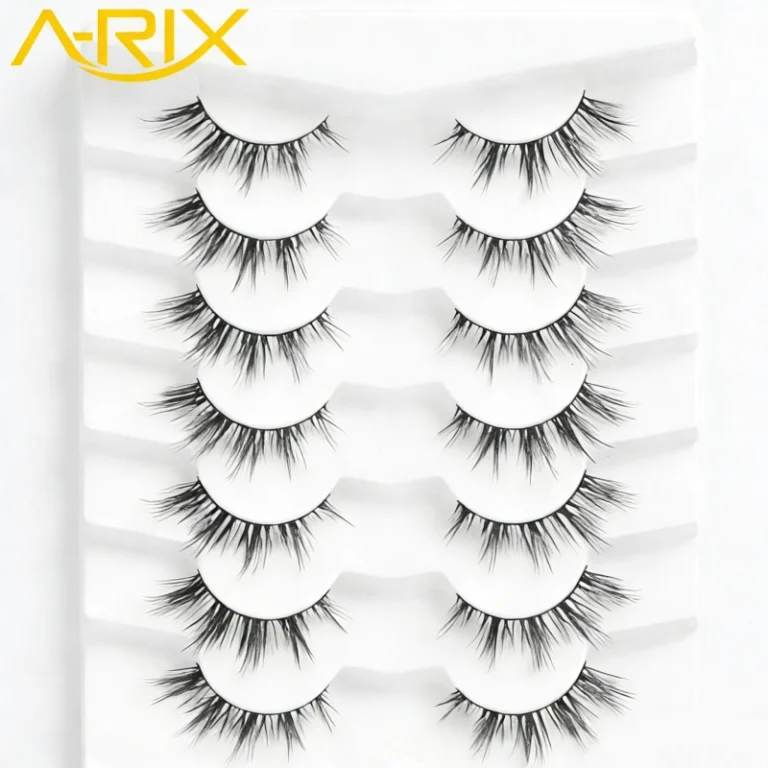
- “DIY Underlash Extension” cluster palettes
- Product listings explicitly for “bottom lash clusters”
- DIY brands listing “lower lash” as a category
Brand implication: demand is proven, but supply is fragmented and not yet standardized—perfect conditions for a well-designed product line to win.
5) DIY lower lashes: segment by style (Natural vs. Volume) the same way consumers shop upper lashes
If you want conversion, don’t sell “lower lashes.” Sell outcomes.
Natural Style (everyday, clean, office-friendly)
Design traits
- airy spacing (not a dark band)
- ultra-light fibers
- subtle curl (typically less dramatic than upper lash)
Customer promise
- “Replaces mascara”
- “No smudge”
- “Barely-there but makes you look awake”
Volume Style (content creators, glam, doll-eye)
Design traits
- slightly denser cluster construction
- controlled spike/definition (so it doesn’t look messy)
- still short—volume comes from density, not length
Customer promise
- “Camera-ready lower lash definition”
- “Big eye effect”
- “Match your upper cluster set”
6) Length recommendations: what to stock (pro + DIY)
Lower lashes fail when they’re too long. Comfort and realism drive repurchase.
Pro extension recommended lengths
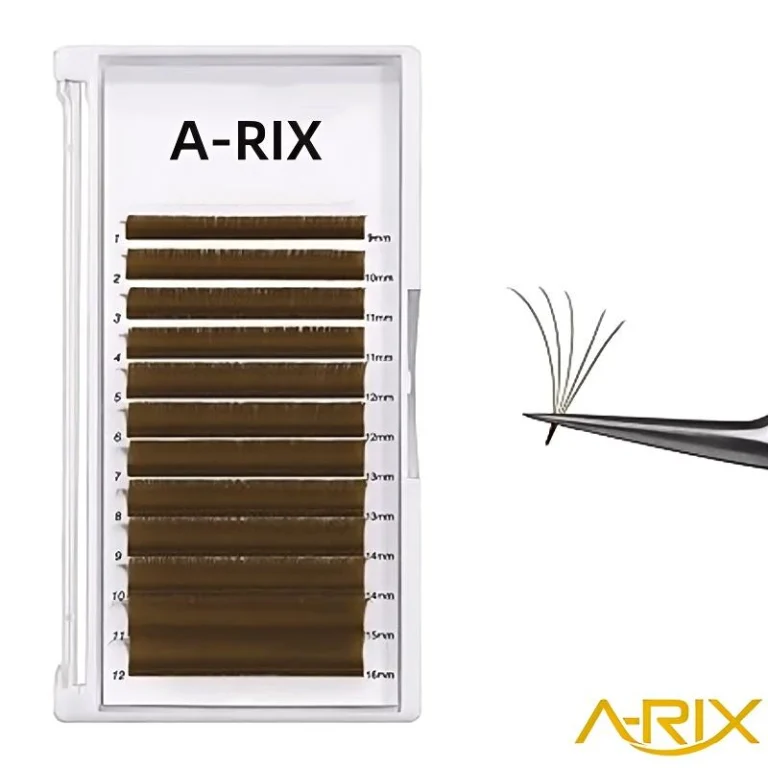
- 5-6 mm: ultra-natural, safest for most clients
- 6-7 mm: mainstream “visible but real” sweet spot
- 7-8 mm: bold/editorial, use selectively
DIY recommended lengths (simplified for shoppers)
- 5-6 mm: beginner-friendly natural
- 6-7 mm: daily best-seller range
- 7-8 mm: glam / doll-eye effect
Inventory strategy: launch with mixed trays/kits (5/6/7mm) and a “bold add-on” (7/8mm). This reduces decision fatigue and increases AOV through bundling.
7) The business case: why brands should launch lower lash products now
1) Differentiation in a crowded upper-lash shelf
Upper lashes are saturated. Lower lashes are still early, with inconsistent quality and limited “system thinking.” Early movers can own the category language.
2) Bundle economics = higher AOV
Lower lashes are a natural attachment point for bundles:
- Upper DIY kit + lower lash kit
- Pro trays + under-eye pads + tweezers + mini training
- “Natural set” vs “Full set” bundles
3) Trend alignment: natural framing + underlash techniques
Natural trends and seamless underlash techniques continue to be amplified by social content and beauty media.
FAQ:
Q1: Are lower lash extensions trending?
Lower lash definition is rising alongside natural eye framing and underlash application trends, with more brands and salons listing dedicated underlash/lower-lash products and services.
Q2: What’s the best length for lower lashes?
Most natural results sit in 5-7 mm, with 7-8 mm for bolder looks. (Both pro and DIY should prioritize comfort and realism.)
Q3: What types of lashes work best for lower lash extensions?
Common pro options include classic lashes, flat lashes, and carefully designed close-fan cluster formats for efficiency and density control.
Conclusion: Lower lashes are not an accessory—they’re a product category
The market is telling a clear story: lash consumers want complete eye framing, and they’re willing to pay for it—either as a salon add-on or as a DIY kit that replaces mascara. With industry growth continuing and underlash techniques mainstreaming, lower lashes represent one of the cleanest ways to expand revenue without fighting in the most crowded part of the shelf.